









The Idea Behind ‘Grounding’
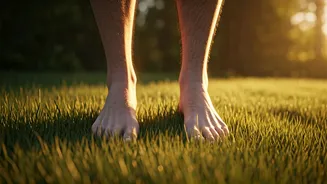
The practice of walking barefoot on natural surfaces like grass, dirt, or sand is often called 'grounding' or 'earthing'. The central concept is that our bodies, which are good conductors of electricity, build up a positive electrical charge from our modern,
insulated lifestyles—think rubber-soled shoes and indoor living. Proponents of grounding believe that by making direct skin contact with the Earth's surface, which holds a natural negative charge, we can neutralise this excess positive charge. This exchange is said to help our bodies return to a state of electrical balance, which advocates claim can have a ripple effect on our overall well-being, from sleep quality to stress levels. While it sounds a bit 'out there', it's an idea rooted in our long history of living in direct contact with the land before modern footwear became the norm.
The Science and the Sensation
So, what does science say? The research on grounding is still in its early stages, and many of the studies are small. Some research published in journals like the *Journal of Environmental and Public Health* suggests potential benefits, including reduced inflammation, better sleep, and lower stress by stabilising cortisol rhythms. The theory is that the transfer of free electrons from the earth acts as a natural antioxidant. However, many experts argue that the benefits people feel might be more psychological than physiological. The act of walking barefoot on grass forces you to slow down, pay attention to your senses, and connect with nature. This mindfulness—the feeling of cool, damp grass, the smell of the earth—is a well-established technique for reducing anxiety and clearing the mind. Whether it's electrons or simple mindfulness, the feeling of a 'brain reset' is a common report.
More Than Just Your Feet
The feeling of mental clarity isn't just about what's happening to the soles of your feet. It's a full-body sensory experience. A morning stroll on dewy grass engages multiple senses that are often dulled by our indoor routines. You’re exposed to natural morning light, which helps regulate your circadian rhythm and can boost your mood. You’re breathing fresh air, feeling the temperature change, and hearing the sounds of the morning. This concept, known as biophilia, suggests that humans have an innate tendency to seek connections with nature. Engaging in a simple, natural act like walking barefoot can satisfy this deep-seated need, providing a powerful antidote to the mental fatigue caused by screen time and urban noise. It’s a moment of quiet meditation that costs nothing and requires no special equipment.
Your Guide to a Morning Stroll
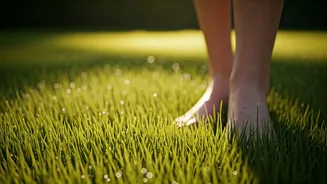
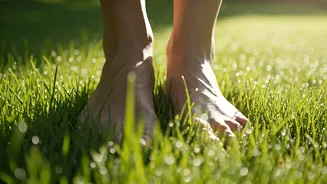
Ready to give it a try? The best time is often early in the morning when the grass is still covered in dew, which enhances conductivity and adds to the sensory experience. Look for a clean, well-maintained public park or green space that you are familiar with. Avoid areas that are heavily treated with pesticides or fertilisers; parks that use natural maintenance methods are ideal. Start with just 10 to 15 minutes. You don't need a long session to feel a difference. Walk slowly and deliberately. Pay attention to how the ground feels under your feet—the texture, the temperature, the moisture. The goal is to be present in the moment, not just to get from one point to another. This mindful approach is key to unlocking the mental 'reset' the practice promises.
Walk Safely: What to Watch For
While grounding is a beautiful, simple practice, public spaces come with risks. Always scan the area visually before you take off your shoes. Watch out for sharp objects like broken glass, sharp stones, or litter. Be mindful of insects, especially ants, and in some regions, ticks. If you have diabetes or any condition that causes neuropathy (loss of sensation in your feet), walking barefoot can be dangerous, as you may not feel a cut or injury. Similarly, if you have open sores or wounds on your feet, it's best to wait until they are fully healed to avoid infection from soil-borne bacteria. After your walk, it's a good idea to wash your feet thoroughly with soap and water. A little caution ensures the experience remains a positive and healthy one.