



The Landscape: Lush vs. Luminous
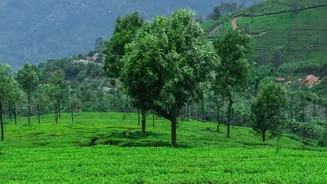
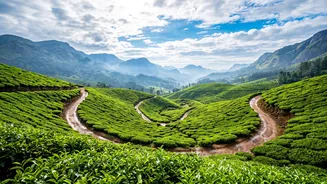
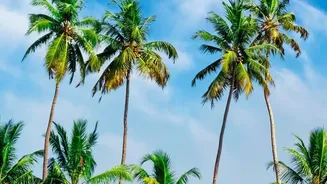
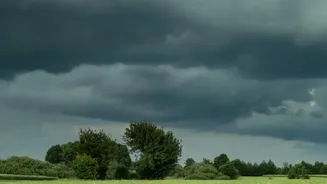
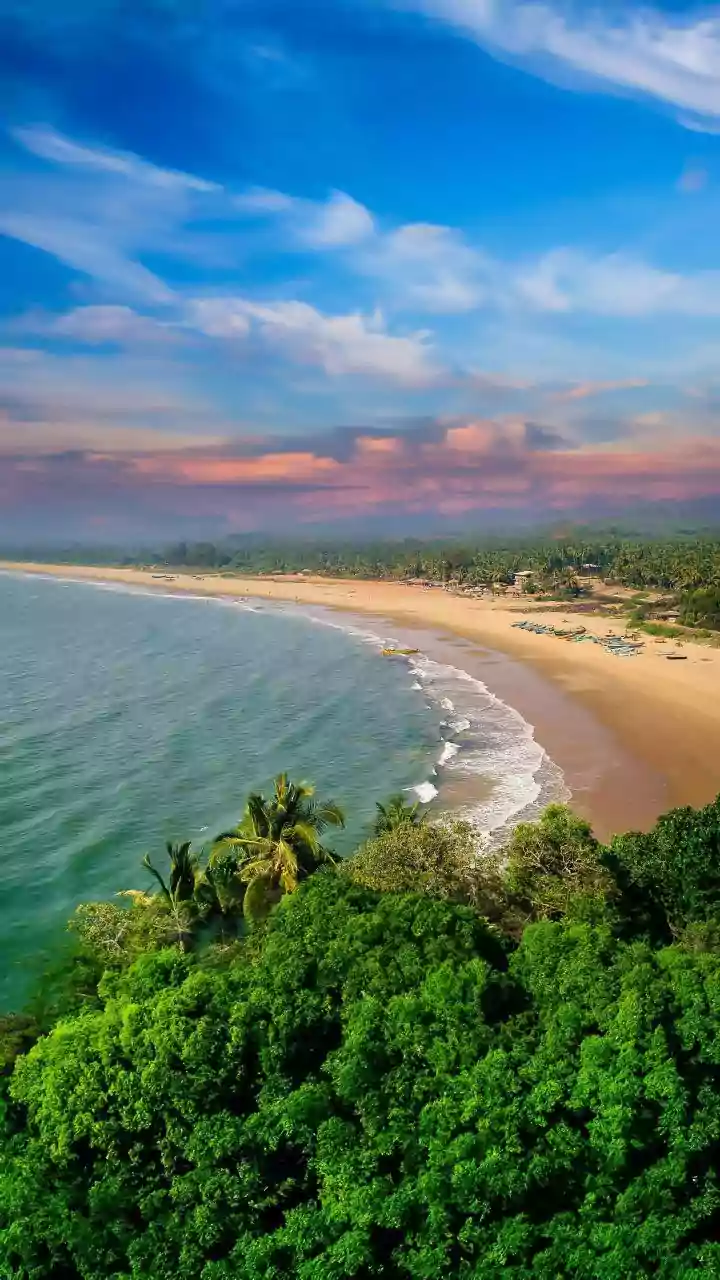
The most dramatic difference lies in the landscape. During the monsoon (June to September), Kerala transforms into a world of vibrant green. The rains feed the backwaters, making them swell with life, while waterfalls like Athirappilly roar at their peak
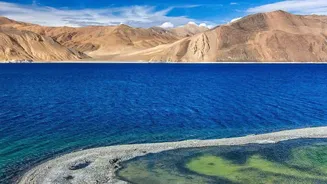
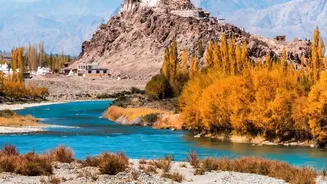
power. Tea plantations in Munnar and Wayanad are draped in mist, creating a dreamy, romantic atmosphere. It’s an immersive experience of nature at its most fertile and alive. Ladakh in summer (June to August) is the polar opposite. As a cold desert in a rain shadow, it remains dry while the rest of India is drenched. The snow from winter melts, revealing a stark, jaw-dropping landscape of barren mountains in shades of ochre, purple, and brown, set against impossibly blue skies. High-altitude lakes like Pangong Tso and Tso Moriri shimmer with a surreal clarity, their turquoise waters a stark contrast to the rugged terrain.
The Vibe: Introspective vs. Expansive
The weather in each destination cultivates a completely different mood. The monsoon in Kerala encourages a slower, more introspective pace. It’s the perfect time for cosying up in a houseboat as rain drums on the roof, indulging in rejuvenating Ayurvedic treatments (believed to be more effective in the humid climate), or sipping chai while watching the world turn green. There are fewer tourists, which adds to the tranquil, personal feel of the journey. Ladakh in summer, however, is all about expansive energy and adventure. With the mountain passes open, it's peak season for exploration. The atmosphere is buzzing with the thrill of road trips, trekking, and outdoor activities. The constant sunshine and vast, open landscapes inspire a sense of freedom and discovery, a feeling of being on top of the world.
Activities: Rejuvenation vs. Adventure
Your to-do list will look vastly different. In Kerala, the monsoon is a time for experiences that are enhanced by the rain. Besides houseboat cruises and Ayurvedic therapies, you can visit spice plantations when they are at their most fragrant or witness the spectacular Nehru Trophy Snake Boat Race in August. It’s a time for enjoying the lush scenery and cultural richness without a packed itinerary. In Ladakh, summer is the season for adrenaline. The accessible roads, like the famed Khardung La, make it prime time for motorbiking and jeep safaris. Trekking routes through valleys like Markha and Nubra are popular, as is white-water rafting on the Zanskar and Indus rivers. Camping under star-filled skies and visiting ancient monasteries perched on hillsides are other quintessential summer experiences.
Practicalities: Packing and Planning
For a monsoon trip to Kerala, waterproof gear is non-negotiable. Pack quick-drying clothes, a reliable raincoat, and sturdy footwear with good grip for slippery paths. Be prepared for travel delays, as heavy rain can occasionally disrupt road travel. However, you'll benefit from off-season prices and fewer crowds. For Ladakh in summer, packing requires layers. While daytime temperatures are pleasant, often between 15°C and 25°C, nights can be cold. The high altitude means the sun is harsh, so sunscreen, sunglasses, and a hat are essential. The most critical part of planning is acclimatisation; you must schedule at least 24-48 hours of rest upon arriving in Leh to avoid altitude sickness.