




The Surprising Power in the Peel
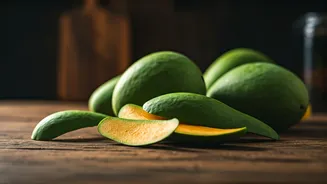
Before you toss another mango peel, consider what you're throwing away. The skin of the mango is a nutritional powerhouse, often containing a higher concentration of certain nutrients than the flesh itself. Mango peels are packed with dietary fibre, which
is essential for good digestion and gut health. They are also a rich source of antioxidants like polyphenols and carotenoids, which help protect your body from cellular damage. Additionally, the peels contain significant amounts of vitamins A, C, and E, along with minerals like potassium and magnesium. Some studies have even indicated that compounds found in mango peel, such as mangiferin, may have anti-inflammatory and other health-promoting properties. By saving the peels, you're not just reducing kitchen waste; you're capturing valuable nutrition that would otherwise end up in the bin.
From Peel to Powder: A Step-by-Step Guide
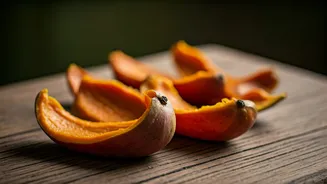
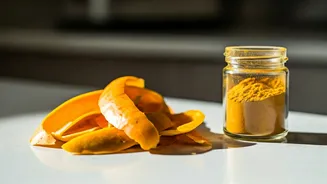
Transforming mango peels into a fine, versatile powder is surprisingly simple and requires no special equipment. Start by thoroughly washing the mango peels to remove any dirt or pesticide residue; using organic mangoes is a great option if available. Once clean, the key is to completely dry the peels. You can do this naturally by spreading them on a clean cloth or plate and leaving them in the sun for two to four days until they are completely brittle and crisp. For a quicker method, use a dehydrator or an air fryer at a low temperature (around 80°C). An oven on its lowest setting will also work; spread the peels on a baking sheet and heat until they are totally dry and snap easily. Once the peels are cool and moisture-free, simply transfer them to a dry grinder or a powerful blender. Grind them until you have a fine, consistent powder. Store your homemade mango peel powder in an airtight container in a cool, dry place, where it can last for up to six months.
Creative Ways to Use Your Mango Peel Powder
Now that you have this tangy, nutrient-dense powder, how do you use it? Its slightly bitter and tart flavour profile makes it a fantastic addition to a variety of dishes. One of the easiest ways to incorporate it is by stirring a teaspoon into your morning smoothie, yogurt, or oatmeal for a vitamin and fibre boost. You can also sprinkle it over chaat, salads, or raita for a tangy twist reminiscent of amchur (dry mango powder). For those who enjoy baking, try adding a spoonful to muffin, bread, or cake batters. The powder also works wonderfully as a component in spice rubs and marinades for chicken or fish, adding a subtle, fruity acidity that tenderises the meat. Some even use it to flavour curries and chutneys, balancing the richness of the other spices. The possibilities are endless, allowing you to experiment and add a zero-waste superfood to your favourite recipes.
A Note on Taste and Safety
While mango peels are edible and nutritious, there are a couple of things to keep in mind. The taste is quite different from the sweet flesh of the fruit; it’s more bitter and astringent, which is why it works so well as a flavouring agent in a powdered form rather than being eaten raw. The texture is also tough and fibrous, which is another reason drying and grinding is the most palatable way to consume it. Most importantly, mangoes belong to the same plant family as poison ivy and contain a compound called urushiol in their skin. For most people, this is not an issue. However, individuals who are sensitive to poison ivy or poison oak may experience an allergic reaction. It’s also crucial to wash peels thoroughly to minimise pesticide residues, or opt for organic mangoes when possible.