



A Gift from Halley's Comet
The Orionid meteor shower is an annual event that occurs when Earth passes through the stream of debris left behind by Halley's Comet (1P/Halley). This famous comet takes about 76 years to orbit the sun, last seen in our skies in 1986. Each year in October,
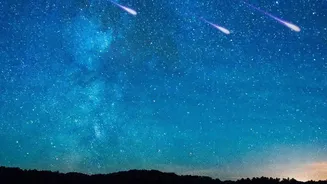
our planet travels through the dusty trail of particles it shed on its journey. These tiny fragments, many no bigger than a grain of sand, burn up upon entering our atmosphere at incredible speeds—around 66 kilometres per second—creating the fiery streaks we call meteors or shooting stars. Earth actually passes through Halley's debris trail twice a year, also causing the Eta Aquarid shower in May.
Peak Dates and Times for 2026
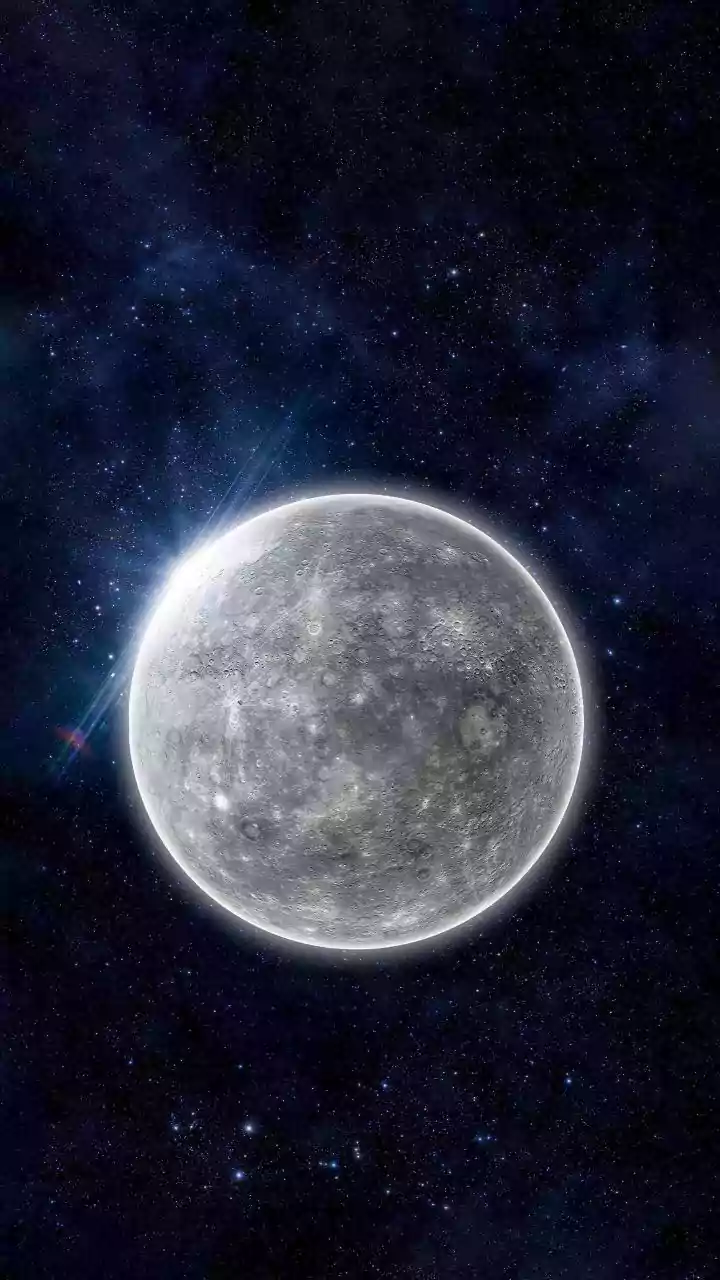
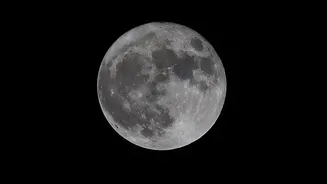
Mark your calendars for the night of October 21-22, 2026, which is when the shower is predicted to reach its peak activity. While the shower is active from early October to early November, your best chance to see the highest concentration of meteors will be on this night. The ideal viewing window is in the pre-dawn hours, after midnight. For 2026, there will be a bright waxing gibbous moon, which can wash out fainter meteors. However, the moon is expected to set around 3 a.m. local time, leaving a window of dark sky until dawn—the perfect time to start your watch.
Where to Look in the Sky
The shower gets its name because the meteors appear to radiate from a point within the constellation Orion the Hunter. You can find Orion rising in the east after midnight during October. Look for its famous three-star belt and the bright reddish star, Betelgeuse; the radiant point is near this area. However, you don't need to stare directly at the radiant. In fact, it's better not to. The meteors will appear all across the sky, and those seen 45 to 90 degrees away from the radiant will have longer, more dramatic trails. The best strategy is to lie back and take in as wide a view of the sky as possible.
Tips for the Best Viewing Experience
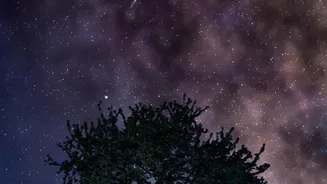
To maximise your chances of a great show, the most important step is to get away from city lights. Light pollution can drastically reduce the number of meteors you'll see. Find a dark spot in a rural area or a park with an open, unobstructed view of the sky. Your eyes need about 20-30 minutes to fully adapt to the darkness, so avoid looking at your bright phone screen. You don't need a telescope or binoculars; your eyes are the best tool for the job since they provide the widest field of view. Just be patient. Meteor showers often have quiet lulls followed by spurts of activity.
What to Pack for Your Stargazing Night
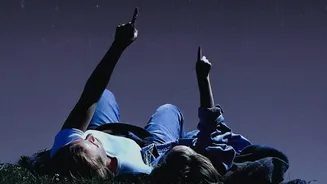
Comfort is key for enjoying a meteor shower, as you'll be outside for a while in the cool, early morning hours. Dress in warm layers, and consider bringing a hat and gloves. A reclining lawn chair or a thick blanket to lie on will save you from neck strain and allow you to comfortably gaze upwards for an extended period. Packing a flask of a warm drink like tea or hot chocolate can make the experience even more enjoyable. Bring a friend or family to share the experience; you can watch different sections of the sky and call out when someone spots a meteor.