

From Souvenirs to Stories
Not long ago, the success of a trip was measured by the number of landmarks visited. Today, a new travel philosophy is taking hold: experience-led tourism. This approach shifts the focus from passive sightseeing to actively and meaningfully engaging with
a destination’s culture, people, food, and environment. Instead of just seeing the Taj Mahal, it’s about learning the art of marble inlay from artisans in Agra. Instead of a quick photo at a tea garden, it’s about participating in the tea-plucking and tasting process. Recent reports highlight this significant pivot, with a vast majority of Indian travellers, 84% according to a Skyscanner report, expressing a growing interest in culture-led domestic travel. It’s a move from collecting souvenirs to collecting stories.
The Post-Pandemic Push for Authenticity
The global pandemic acted as a major catalyst for this shift. Periods of lockdown and isolation left people craving genuine connection and a deeper sense of purpose, even in their leisure time. The rise of remote and hybrid work models has untethered millions of Indian professionals from their office desks, giving them the flexibility to travel more slowly and intentionally. This has fuelled the 'workation' culture, where individuals blend their professional lives with extended stays in scenic, quieter locations. A survey found that a third of travellers now prefer working from natural settings. This newfound freedom allows for a more immersive dive into local life, transforming a weekend getaway into a month-long cultural exchange.
Meet the New Indian Traveller
Driving this change are India's younger generations, particularly millennials and Gen Z. With rising aspirational spending, they are prioritising personal growth, authenticity, and creating shareable memories over accumulating material possessions. For this demographic, a holiday is an opportunity for self-discovery. A recent study noted that cultural experiences like heritage, festivals, and food are now primary motivators for planning a trip, not just incidental activities. In fact, 67% of Indians now plan holidays around these cultural anchors. This cohort is also more adventurous, with one in four travellers venturing into Tier-II and Tier-III towns, seeking unique experiences far from the crowded tourist circuits.
What's on the Itinerary Now?
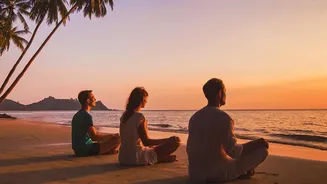
The new travel itinerary is as diverse as India itself. The demand for wellness tourism, for instance, is booming, with travellers seeking out yoga retreats, Ayurvedic treatments, and holistic healing experiences in destinations like Kerala and Uttarakhand. The Indian wellness tourism market is projected to grow significantly, reflecting a broader focus on mental and physical well-being. Beyond wellness, there's a growing appetite for agricultural tourism, adventure sports, culinary trails that explore regional cuisines, and craft workshops that preserve traditional skills. Heritage walks and community-led storytelling are replacing generic guided tours, offering a more personal and profound connection to a place.
The Bigger Picture
This evolution in travel is more than a fleeting trend; it’s a mirror reflecting deeper changes in Indian society. The emphasis on experiences suggests a move towards a 'well-being' economy, where personal fulfilment and mental health are valued as highly as financial success. It signals a desire for a more balanced and intentional way of living. For the tourism industry, this means adapting to a more discerning traveller. There's a rising demand for boutique homestays, specialised tour operators, and sustainable practices that benefit local communities. Destinations can no longer rely solely on their postcard views; they must offer authentic, memorable, and meaningful engagement. This shift is not just changing how we travel, but also fostering a more responsible and conscious connection with the world around us.