






The Freshness Paradox
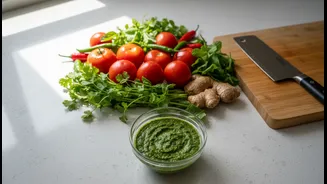
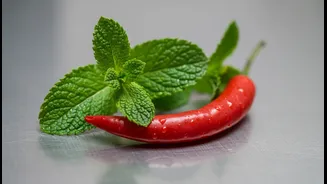
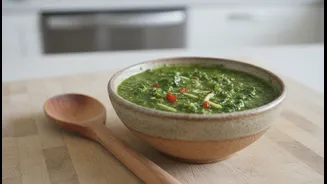
We love chutneys for their freshness. Unlike pickles, which are preserved, chutneys are often made for immediate or near-immediate consumption using raw ingredients like mint, coriander, and coconut. However, this is a double-edged sword. Raw herbs and vegetables,
because they are grown close to the ground, can be contaminated with bacteria like E. coli or Salmonella from soil, water, or during handling. While a cooked chutney has a lower risk, the popular raw versions are essentially salads in paste form. Without the 'kill step' of cooking, any bacteria present on the ingredients can multiply, especially in India's warm and humid climate which provides an ideal breeding ground.
Why Heat Isn't a Magic Bullet
Many believe that a sizzling tadka poured over a chutney or briefly cooking it is enough to make it safe. While high temperatures do kill many bacteria, this is often not sufficient. The heat from a tadka is intense but brief, and may not penetrate the entire batch evenly. For heat to be effective, the entire chutney needs to be held at a temperature above 60°C. The real danger lies in the temperature 'danger zone'—between 5°C and 60°C—where bacteria multiply rapidly. A lukewarm chutney left on the counter is a perfect incubator for foodborne pathogens.
The Unseen Enemy: Cross-Contamination
One of the biggest risks in any kitchen is cross-contamination, where bacteria are transferred from one surface to another. Think about it: you use a chopping board for vegetables, then maybe wipe it quickly before using it for something else. Your mixer grinder jar, if not washed thoroughly with soap and hot water, can harbour bacteria from a previous batch. Hands are a primary culprit; touching raw ingredients and then a clean utensil or the fridge handle can spread germs everywhere. Even kitchen towels and sponges are notorious for being the most contaminated items in an Indian household, spreading germs rather than cleaning them.
Your Chutney Hygiene Checklist
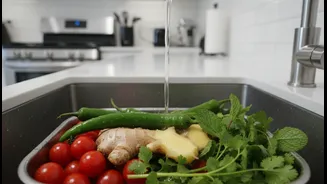
Making safe chutney is simple if you follow a few key steps recommended by food safety authorities like FSSAI. 1. Wash Your Hands: Wash hands with soap and water for at least 20 seconds before you start, and after handling different ingredients. 2. Wash Produce Thoroughly: Rinse all herbs and vegetables under cool, running water. Do not soak them in a sink, as the sink itself can be a source of bacteria. Discard any leaves that are yellowed or have black spots. 3. Use Clean Equipment: Ensure your mixer grinder, jars, knives, and chopping boards are washed with hot, soapy water and are completely dry before use. Using separate cutting boards for different food types is a best practice. 4. Use Safe Water: Always use potable (drinking-quality) water for both washing ingredients and preparing the chutney.
Smart Storage for a Longer Shelf Life
How you store your chutney is just as important as how you make it. Raw chutneys, like those made with coconut, are highly perishable and should be consumed within a few hours, or refrigerated immediately. For any homemade chutney, transfer it to a clean, dry, airtight glass jar. Never leave it at room temperature for more than two hours. In the refrigerator, it should be stored below 5°C and can last from a few days to a couple of weeks, depending on the ingredients (acidic chutneys with vinegar or lemon juice last longer). When serving, always use a clean, dry spoon to prevent introducing new bacteria into the jar. If you see any mould, or if the chutney smells or tastes off, discard it immediately. When in doubt, throw it out.