







Calorie Burn and Weight Management
When it comes to burning calories, the intensity of your workout is key. Vigorous swimming can be a powerhouse, burning a significant number of calories due to the full-body effort and the resistance of the water. However, don't underestimate the power of dance.
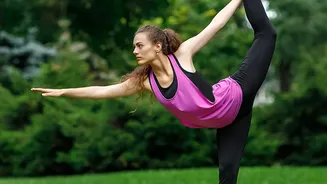
Studies have shown that certain energetic styles of dance, like street or swing, can burn more calories than a comparable time spent swimming. The stop-start nature and multi-directional movements of dancing force your body to work harder, much like a car in city traffic burns more fuel. For both activities, a higher intensity and longer duration will lead to greater calorie expenditure.
Joint Impact and Injury Risk
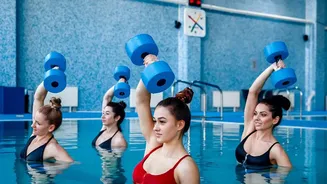
This is where swimming truly shines. The buoyancy of water supports your body weight, drastically reducing stress and impact on your joints, including the knees, hips, and spine. This makes it an ideal exercise for individuals with arthritis, joint pain, or limited mobility, and it allows for a vigorous workout with a low risk of injury. While dancing is generally considered lower-impact than running, it is still a weight-bearing exercise. Some forms involve jumping and quick pivots that can stress the joints. However, this weight-bearing aspect is also a benefit, as it helps to improve bone density.
Muscle Toning and Strength
Swimming is renowned as a full-body workout. The water provides constant resistance, engaging nearly every major muscle group. Your upper body (shoulders, back, arms), core (abdominals and obliques), and lower body (glutes, hamstrings, and quads) all work together to propel you through the water. Dancing also engages a wide array of muscles, but the focus can vary by style. Most forms heavily recruit the lower body—quads, hamstrings, glutes, and calves. Styles like ballet and ballroom dancing require immense core strength for stability and posture, while hip-hop and contemporary dance work the upper body and improve coordination.
Accessibility, Cost, and Convenience
Dancing holds a clear advantage in accessibility. You can do it almost anywhere with minimal space and no special equipment—just some music. This makes it a highly convenient and often free option. Swimming, on the other hand, requires access to a pool or a safe body of open water, which may not be readily available or affordable for everyone. There's also the 'admin' of swimming to consider, like packing a bag with a towel and toiletries and dealing with wet hair afterward, which can be a barrier for some.
The Fun Factor and Sustainability
The 'best' workout is the one you will do consistently, and enjoyment is the biggest predictor of consistency. Dancing is an inherently social and expressive activity. The combination of music, movement, and often, a group setting, can significantly boost your mood and make exercise feel like a celebration. For many, this makes it a highly sustainable practice. Swimming offers a different kind of mental benefit. The rhythmic nature of lapping can be meditative and stress-reducing, providing a sense of calm and focus. The choice here is deeply personal: do you prefer a rhythmic party or a quiet, meditative escape?