


More Than Just Toys
Pet enrichment is the process of creating a stimulating environment that satisfies your animal's psychological and physical needs. It’s about encouraging natural behaviours like sniffing, hunting, climbing, and chewing in a safe and appropriate way. When
pets lack these outlets, they can develop issues like anxiety, obesity, or destructive habits such as chewing furniture or excessive barking. A well-enriched environment reduces stress, builds confidence, and strengthens the bond you share with your pet. Think of it not as a luxury, but as a fundamental part of their overall well-being.
Make Mealtime a Mental Workout
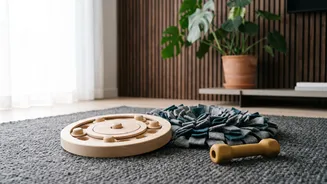
Foraging for food is a powerful natural instinct. Instead of just placing a bowl on the floor, make your pet work for their meal. Puzzle feeders and treat-dispensing toys are fantastic for this, requiring your dog or cat to solve a problem to get their kibble. For a simple DIY option, try a 'snuffle mat' made from an old towel; just sprinkle food inside, roll it up, and let your dog use their nose to find it. Cats can enjoy 'hunting' for their dry food if you hide small portions around the house. Another easy idea for dogs is the muffin tin game: place treats in a few cups of a muffin tin and cover them all with tennis balls, forcing them to sniff out their reward.
Engage Their Powerful Senses
A pet's senses provide a direct line to mental stimulation. For dogs, whose primary sense is smell, scent games are incredibly rewarding. Start by hiding a favourite toy or some fragrant treats around a room and encouraging them to 'find it'. This simple activity can be more tiring than a long walk. For cats, visual stimulation is key. Set up a comfortable perch near a window, ideally overlooking a bird feeder or a busy street. This provides hours of entertainment, like their own personal television. You can also engage their sense of touch and exploration by providing empty cardboard boxes or paper bags to investigate.
Rethink Play and Physical Activity
Play isn't just about burning off energy; it's a chance to challenge their minds. For cats, interactive wand toys that mimic the unpredictable movement of prey are irresistible. For dogs, games like hide-and-seek don't just provide exercise, but also reinforce recall skills. Instead of endless fetch, try building a simple indoor obstacle course with pillows to jump over and blankets to create tunnels. Teaching your pet a new trick is another fantastic form of cognitive enrichment. These short, positive training sessions build skills and deepen your connection.
Create an Exploring-Friendly Space
Your home environment itself can be a source of enrichment. Cats are natural climbers and feel more secure when they have vertical spaces. Cat trees, wall-mounted shelves, or even a cleared space on top of a sturdy bookshelf can make a world of difference to their confidence. For dogs with a digging instinct, you can create a designated 'dig box' in a corner of your yard or balcony with sand or loose soil, hiding toys inside for them to find. Simply rotating which toys are available every few days can make old things feel new and exciting again, preventing the boredom that comes from having the same objects out all the time.