



From Plate to Provenance
The definition of a premium dining experience in India is changing. It's no longer just about the chef's technique or the restaurant's ambience. A new, compelling element has entered the chat: the story. Diners are increasingly curious about what's on their
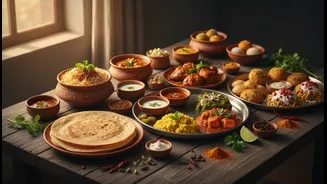
plate, where it came from, and why it matters. This has given rise to a trend where restaurants are building their entire concept around provenance—the origin story of their ingredients. Menus are becoming maps, guiding guests through a culinary journey that might feature spices from Kerala, cheese from a specific farm in Kodaikanal, or a forgotten grain from Uttarakhand, all served in a restaurant in Delhi or Mumbai. This isn't just about sourcing; it's about storytelling, turning a simple dish into a narrative of India's vast and diverse agricultural landscape.
The Chef as a Modern Storyteller
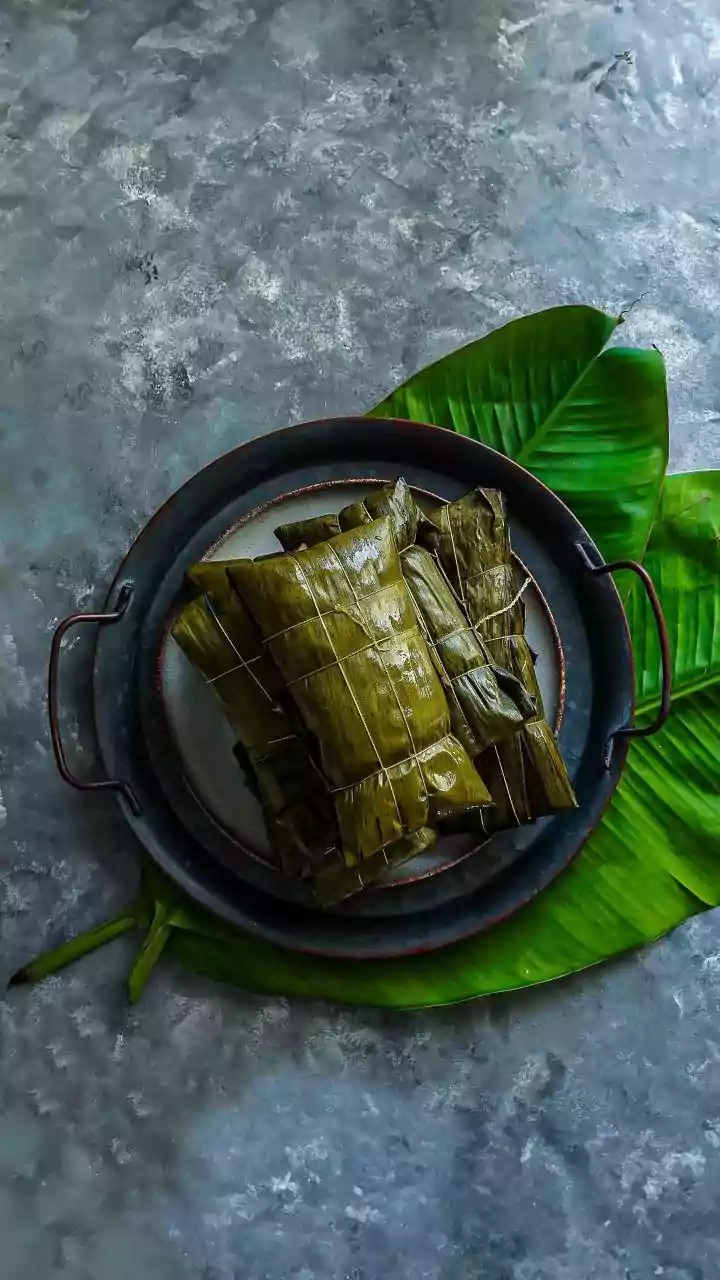
In this new environment, chefs are evolving from culinary artists into cultural storytellers. They are travelling extensively, researching micro-cuisines, and forging direct relationships with farmers and producers in remote regions. For instance, a chef might build a menu around the unique flavour of Chengalikodan nendran bananas sourced directly from Thrissur or highlight the smoky notes of black cardamom from a particular estate in the Northeast. This ingredient-led approach allows them to showcase lesser-known culinary traditions with pride and authenticity. Award-winning chefs are moving away from replicating international trends and are instead building a distinct Indian culinary identity by celebrating these regional treasures and the stories they carry. This shift transforms the act of eating into an educational and emotional experience, connecting diners more deeply with the food and the people who create it.
Why This Trend is Taking Root Now
Several factors are fuelling this narrative-driven dining trend. Today's diners are more travelled, curious, and conscious about authenticity and sustainability. Social media has played a huge role, allowing chefs and restaurants to share the stories behind their dishes through compelling visuals and personal anecdotes, reaching a wide audience. The pandemic also made many people more aware of supply chains and the importance of supporting producers. Furthermore, there's a growing sense of pride in India's regional diversity. Instead of looking outward for inspiration, chefs are delving into the country's rich culinary heritage, re-discovering forgotten recipes and indigenous ingredients. Technology has also been an enabler, with digital supply chains making it easier for restaurants to source ingredients directly from farmers across states, ensuring freshness and traceability.
A New Definition of 'Local'
Interestingly, this trend gently challenges the long-held 'eat local' mantra. While supporting local producers remains important, the cross-state sourcing movement suggests a broader definition of what makes an ingredient valuable. The focus is shifting from geographical proximity to authenticity and quality. A dish in a Bengaluru restaurant might be considered more authentic if it uses the specific variety of chilli from a district in Andhra Pradesh that the original recipe calls for. This quest for flavour and authenticity is creating new economic opportunities for farmers and artisan producers in various states, giving them access to urban markets. It celebrates the idea that India is a continent in itself, and that tapping into its full range of flavours sometimes means crossing state lines to find the perfect component for a dish.