






Understanding Everyday Breathlessness
Shortness of breath, known medically as dyspnea, is the uncomfortable sensation that you can't get enough air. It’s a normal response to strenuous exercise, extreme temperature changes, or even being at a high altitude. Your body simply needs more oxygen,
so it tells you to breathe harder and faster. Similarly, feelings of anxiety or panic can trigger shallow, rapid breathing that leaves you feeling breathless. In most of these instances, the feeling is temporary and resolves once you rest or your body adjusts. A lack of regular physical activity can also make you feel breathless more easily during routine tasks. These familiar situations, while sometimes uncomfortable, are generally not a cause for alarm.
When Shortness of Breath Is a Red Flag
The critical distinction is whether your breathlessness is expected or not. If it comes on suddenly, severely, and without a clear reason, it's time to pay close attention. You should seek immediate medical care if shortness of breath is accompanied by other serious symptoms. Emergency warning signs include chest pain, pressure, or tightness that may spread to your arm, back, neck, or jaw. Other red flags are fainting, dizziness, sudden confusion, or difficulty speaking in full sentences. A bluish or grey tint to the lips, face, or fingertips is a sign of dangerously low oxygen and requires an emergency response. Also, if you experience breathlessness along with swelling in your legs or feet, it could signal a heart-related issue.
Common Medical Causes of Concern
Acute, or sudden, breathlessness can be a symptom of several life-threatening conditions. These include a heart attack, a blood clot in the lung (pulmonary embolism), a collapsed lung, or a severe allergic reaction (anaphylaxis). Pneumonia and other severe respiratory infections can also cause significant breathing difficulty. Chronic breathlessness, which lasts for weeks or keeps coming back, is often linked to ongoing conditions. The most common culprits are lung diseases like asthma and chronic obstructive pulmonary disease (COPD), as well as heart conditions like congestive heart failure. Because the causes are so varied and potentially serious, unexplained dyspnea should always be evaluated by a healthcare professional.
The Role of Breath-Awareness
For breathlessness that is not an emergency—such as that caused by mild anxiety or physical deconditioning—breath-awareness exercises can be a powerful tool. These techniques won't cure an underlying medical condition, but they can help manage symptoms, reduce the work of breathing, and promote a sense of calm. They work by encouraging slower, deeper, and more efficient breathing, which can improve the exchange of oxygen and carbon dioxide, strengthen respiratory muscles, and calm the nervous system. Practicing these exercises regularly can empower you with a tool to manage mild symptoms and regain a sense of control.
Two Simple Exercises to Try
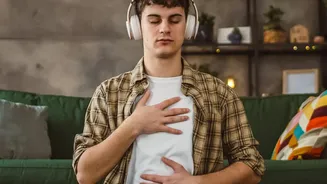
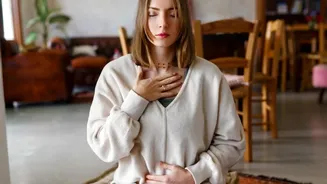
Two of the most widely recommended techniques are Pursed-Lip Breathing and Diaphragmatic (or 'Belly') Breathing. For pursed-lip breathing, you simply inhale slowly through your nose for two counts, then purse your lips as if you're about to blow out a candle and exhale slowly for four to six counts. This helps keep airways open longer and releases trapped air from the lungs. For diaphragmatic breathing, lie on your back with your knees bent. Place one hand on your upper chest and the other on your belly. Breathe in slowly through your nose, allowing your belly to rise while your chest stays relatively still. Exhale slowly through your mouth as your belly falls. Practicing these for 5-10 minutes a day can make them feel more natural over time.