



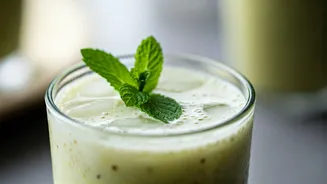



What Exactly Is Sattu?
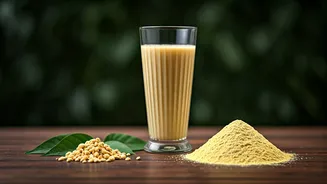
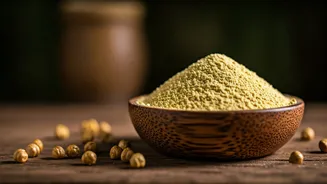
Before it became a trendy health food, sattu was—and still is—a humble staple in states like Bihar, Jharkhand, Uttar Pradesh, and Punjab. At its core, sattu is a flour made from roasted grams (chana). The roasting process is key; it not only imparts a unique,
nutty flavour but also makes the nutrients more readily available for digestion. Unlike besan (gram flour), which is made from raw chickpeas, sattu is made from roasted ones, meaning it can be mixed into drinks or doughs and consumed without cooking. This convenience, combined with its rustic roots as a farmer’s fuel for a long day of work, has earned it the nickname 'poor man's protein'. But as we're rediscovering, its nutritional profile is anything but poor.
A True Nutritional Powerhouse
The headline’s 'champion' claim isn't an exaggeration. Sattu packs a serious nutritional punch. A 100-gram serving typically contains around 20-22 grams of high-quality plant-based protein, making it comparable to many expensive protein powders on the market. But its benefits don't stop there. Sattu is rich in insoluble fibre, which is excellent for gut health, aiding digestion and preventing constipation. It has a low glycemic index, meaning it releases sugar into the bloodstream slowly, providing sustained energy and making it a great choice for diabetics. It's also a good source of essential minerals like iron, manganese, and magnesium, which are crucial for energy production and fighting fatigue. Furthermore, sattu is known for its incredible cooling properties, making it the perfect antidote to India’s scorching summers.
The Budget Champion: A Cost Breakdown
Here's where sattu truly outshines the competition. Let’s compare the cost per gram of protein. A kilogram of decent-quality sattu can be purchased for approximately ₹150-₹200. With about 20g of protein per 100g, you get roughly 200g of protein per kilogram. This works out to less than ₹1 per gram of protein. Now, consider a popular whey protein supplement, which might cost ₹2,500 for a 1kg tub that provides around 750g of protein. That’s over ₹3 per gram of protein. Even other plant-based protein powders, like pea or soy isolate, often fall in a similar price range. Compared to whole foods like paneer (approx. 18g protein per 100g at ₹40-₹50) or eggs (approx. 6g protein per egg at ₹6-₹7), sattu remains one of the most economically efficient ways to boost your protein intake. It delivers muscle-building fuel without emptying your wallet.
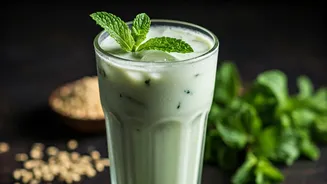
Recipe: Refreshing Sattu Mint Buttermilk (Chaas)
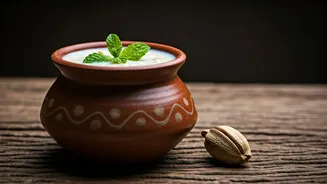
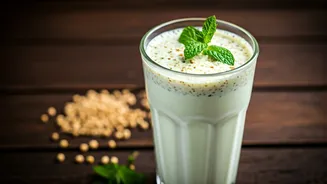
Ready to try it? This cooling, protein-packed drink takes just two minutes to prepare. It’s the perfect post-workout drink, light lunch, or summer cooler. **Ingredients:** - 3 tablespoons Sattu - 1.5 cups Buttermilk (chaas), chilled - 1/4 teaspoon roasted cumin powder (bhuna jeera) - 1/4 teaspoon black salt (kala namak) - A handful of fresh mint leaves, finely chopped - 1 green chilli, finely chopped (optional, for a spicy kick) - Juice of half a lemon **Instructions:** 1. In a large glass or bowl, add the sattu, roasted cumin powder, and black salt. 2. Pour in a small amount of the buttermilk and whisk vigorously to form a smooth, lump-free paste. This is the most important step to ensure a silky texture. 3. Once the paste is smooth, slowly pour in the rest of the chilled buttermilk while continuing to whisk. 4. Stir in the chopped mint leaves, green chilli (if using), and a squeeze of fresh lemon juice. 5. Mix well, check the seasoning, and adjust if needed. Serve immediately for the most refreshing experience.
Beyond the Buttermilk: Other Ways to Enjoy Sattu
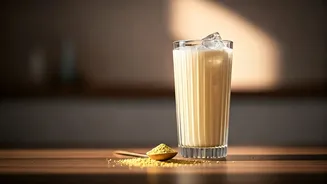
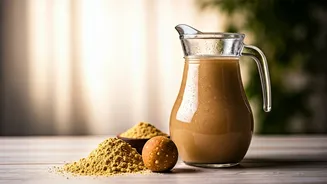
While the mint buttermilk is a fantastic introduction, sattu's versatility is one of its greatest strengths. You can mix it with water, salt, and lemon juice for a simple, savoury sharbat. For a sweet version, blend it with jaggery and water. It’s also traditionally used to make Litti Chokha, where it forms a delicious, spiced filling for whole wheat dough balls. You can knead sattu into your regular roti or paratha dough to increase its protein content, or even make healthy energy laddoos by mixing it with ghee, nuts, and a sweetener. Its nutty flavour pairs well with both savoury and sweet ingredients, making it an easy and adaptable addition to any diet.