





The Passport Privilege Lottery
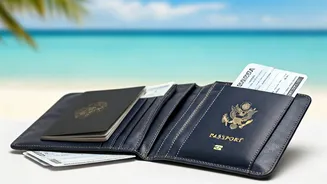
The document you hold dictates your freedom of movement. This concept is often called 'passport privilege'. It’s the invisible barrier that separates travellers who can book a spontaneous trip from those who must spend months planning and proving their
worthiness to cross a border. According to the 2026 Henley Passport Index, a Singaporean passport holder can access 193 destinations without a prior visa. In contrast, an Indian passport holder, ranking 80th, has visa-free or visa-on-arrival access to just over 55 destinations. This disparity isn't just an inconvenience; it shapes opportunities, careers, and even family connections. It’s the difference between a world that feels open and one that feels gated.
A Tale of Two Travellers
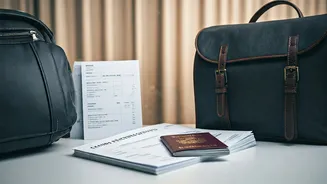
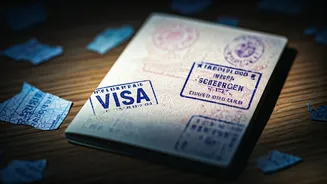
Imagine two friends, one from Germany and one from India, who want to take a two-week holiday across Europe. For the German citizen, travel within the Schengen Area is seamless, with no border checks. Their passport is a key that unlocks the continent. For the Indian citizen, the process is a different story. They must first apply for a Schengen visa, a process that is both costly and time-consuming. This involves submitting an exhaustive list of documents: detailed flight and hotel bookings (paid for without guarantee of a visa), bank statements from the last six months, income tax returns, a letter from their employer, and comprehensive travel insurance. Even after compiling this mountain of paperwork and attending an in-person interview, the visa can be denied, often with no refund for the application fee or the travel bookings.
The Logic Behind the Labyrinth
Why do these barriers exist? Countries impose strict visa rules for several reasons, primarily boiling down to national security, economic concerns, and diplomacy. A core function is to curb illegal immigration; nations often assume that citizens from poorer or less politically stable countries are more likely to overstay their visas. Diplomatic reciprocity also plays a major role; if Country A requires visas for citizens of Country B, Country B is likely to do the same. Furthermore, international agreements like the Schengen system or intelligence alliances like the Five Eyes allow countries to share immigration data, meaning a visa denial from one member country can trigger future rejections from others. These policies, designed to manage risk, create a system where a person's nationality becomes a proxy for their perceived intent.
More Than Just a Document
The visa application process can feel deeply personal and invasive. It requires applicants to turn their entire life—finances, employment, family ties—into a stack of documents to be judged by a consular officer. This scrutiny reinforces the idea that travel is not a right but a privilege granted to a select few. The strength of your passport is often a reflection of your country's economic stability and geopolitical standing. Former colonial powers and wealthy nations overwhelmingly dominate the top of passport rankings, while nations from the Global South face far more restrictions. This creates a feedback loop where the ability to travel freely for business, education, or leisure becomes another advantage for citizens of already powerful nations, widening the global gap in opportunity.