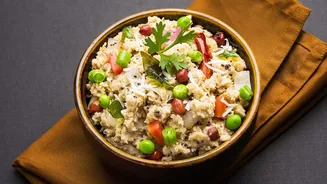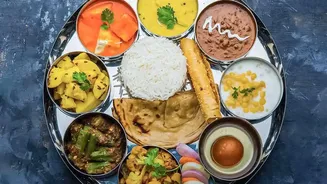




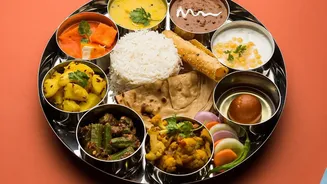
Parathas and idlis are more than just breakfast; they are a cherished part of India's culinary fabric. But are they healthy? The answer is a resounding yes, provided they are cooked mindfully to unlock their potential for sustained energy.
The Science of Sustained Energy
Before we dive
into our favourite dishes, let's talk about energy. Our bodies get energy primarily from carbohydrates, but not all carbs are created equal. Simple carbohydrates, found in refined flour (maida), sugar, and processed foods, deliver a quick burst of energy followed by a crash. This is because they are digested rapidly, causing a spike in blood sugar. In contrast, complex carbohydrates, found in whole grains, legumes, and vegetables, take longer to break down. This slow digestion process leads to a gradual, steady release of glucose into the bloodstream, providing you with sustained energy that lasts for hours. The key to turning a meal into a long-lasting fuel source lies in choosing complex carbs, fibre, and protein.
The Idli Advantage: Fermentation and Balance
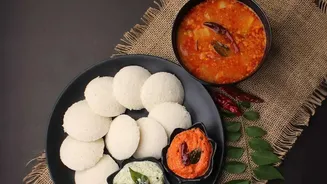
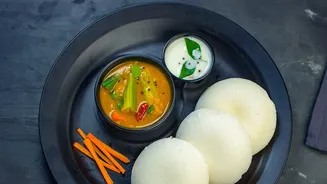
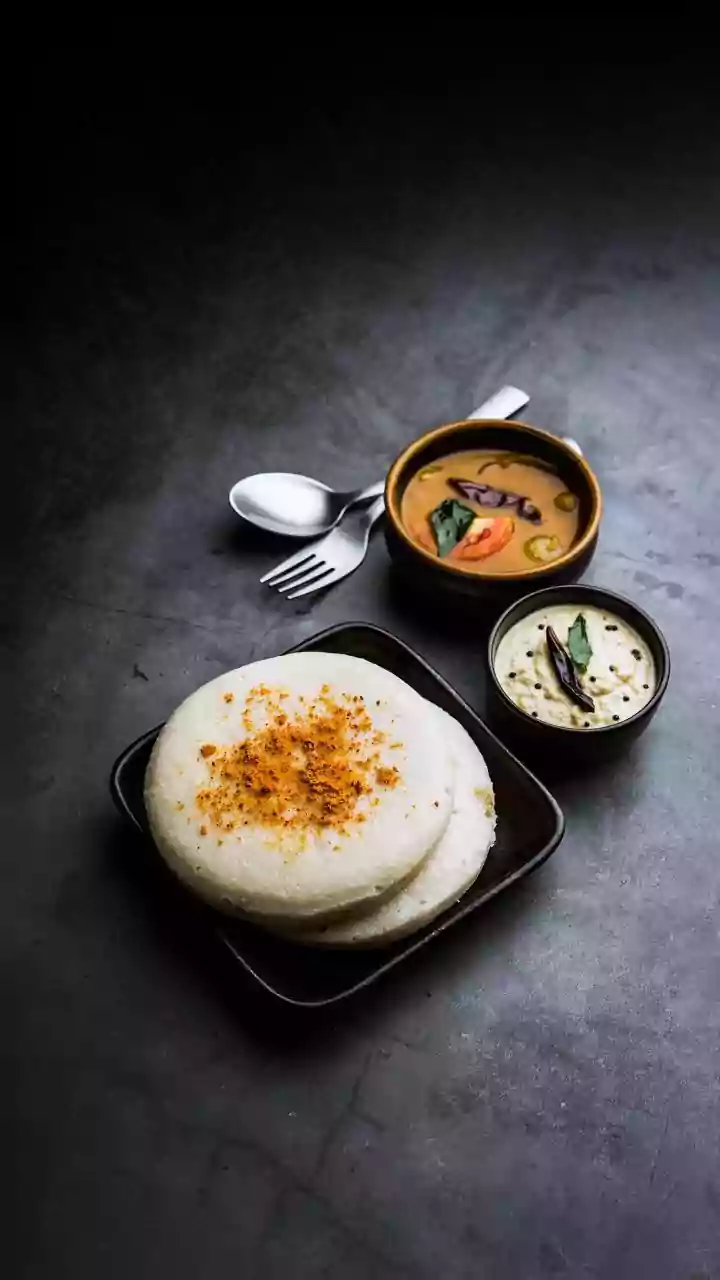
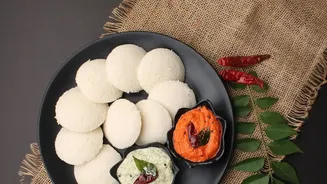
The humble idli is a nutritional masterpiece, offering a perfect example of balanced energy. It is made from a batter of rice (carbohydrates) and urad dal (protein). This combination itself ensures a more moderated energy release than rice alone. But the real magic happens during fermentation. This ancient process breaks down the starches in the rice and dal, making them easier for your body to digest and absorb. Fermentation also increases the bioavailability of B-vitamins, which are crucial for energy metabolism. Furthermore, idlis are steamed, a fat-free cooking method that keeps them light and low in calories. This makes them an excellent choice for a breakfast that fuels your morning without weighing you down. The combination of protein and easily digestible carbs provides a steady stream of energy, keeping you full and focused.
The Paratha Power-Up: Flour and Fillings
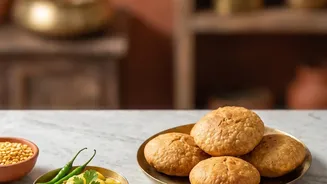
A paratha's reputation can swing from a wholesome meal to an unhealthy indulgence based entirely on how it's made. To make it a source of sustained energy, the first and most important choice is the flour. Using whole wheat flour (atta) instead of refined maida is non-negotiable. Whole wheat is a complex carbohydrate packed with dietary fibre. This fibre slows down digestion, prevents sharp spikes in blood sugar, and promotes a feeling of fullness. The second power-up comes from the filling. Instead of just a plain paratha, stuffing it with protein-rich ingredients like paneer, sattu (roasted gram flour), or lentils turns it into a complete meal. Alternatively, adding grated vegetables like carrots, radish, or leafy greens boosts its fibre and nutrient content. This combination of complex carbs from the wheat and protein or fibre from the filling works synergistically to ensure a slow and steady energy supply.
The 'Mindful' Method: How You Cook Matters
Mindful cooking is the bridge between a traditional recipe and a modern, healthy lifestyle. For parathas, this means ditching the deep-frying pan and the excessive oil. Instead, pan-roast them on a tawa, using just a small dollop of ghee towards the end of cooking. Ghee, when used sparingly, provides healthy fats and adds flavour without turning the paratha into a calorie bomb. For idlis, mindfulness extends to the accompaniments. While sambar is an excellent, protein-rich partner, be cautious with chutneys. Many storebought or restaurant versions are loaded with sugar. A homemade coconut or mint chutney with minimal sugar is a far better choice. Portion control is the final piece of the mindful puzzle. Even the healthiest food can be detrimental in excessive quantities. Listening to your body's hunger cues and eating just enough to feel satisfied is crucial for managing energy levels and overall health.