







The Promise of a Pill
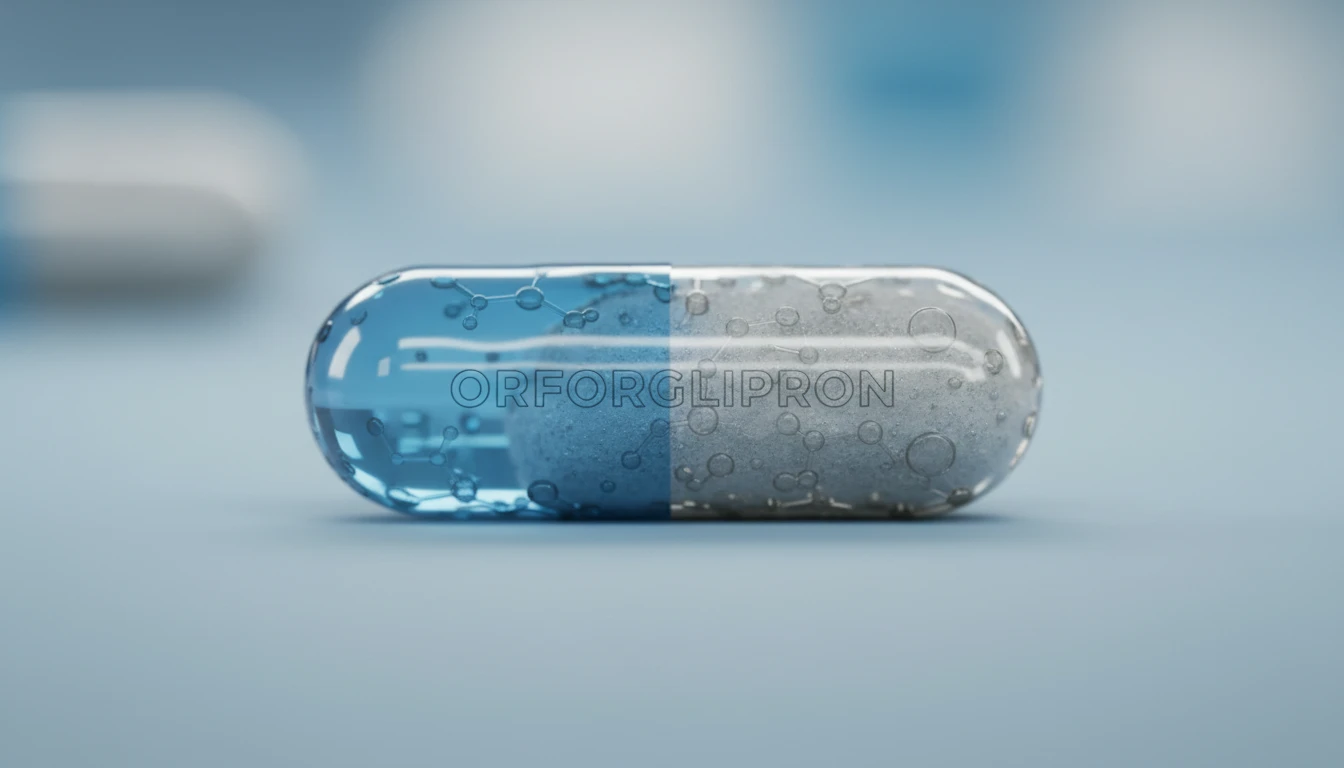
A new drug from Eli Lilly, orforglipron, is making waves as a once-daily oral pill for weight management. Unlike popular injectable medications such as Wegovy and Zepbound, orforglipron is a non-peptide, small-molecule drug. This design means it can be
absorbed through the gut, is easier and cheaper to manufacture, and doesn't require refrigeration—a significant logistical advantage. Clinical trials have shown meaningful results; in one major study, participants lost between 7.5% and 11.2% of their body weight over 72 weeks, depending on the dosage. This effectiveness, combined with the convenience of a pill, makes it a highly anticipated treatment for obesity. It's easy to see why it's being hailed as a potential game-changer.
The 'Effortless' Myth
The problem isn't the drug's potential, but the narrative forming around it. The idea of a simple pill for weight loss feeds into a powerful fantasy of achieving results without struggle. But this is a damaging oversimplification. Like other GLP-1 receptor agonists, orforglipron is not a passive experience. The journey involves managing significant side effects, committing to lifestyle changes, and navigating the psychological aspects of rapid weight loss. Social media and news headlines that gloss over these realities set dangerous expectations. The reality is that these medications are tools to manage a chronic disease, not a simple cure. As comedian Tracy Morgan joked after gaining weight while on Ozempic, it's possible to "out-eat" the drug, highlighting that the pill alone is not a complete solution.
The Reality of Side Effects
The most significant hurdle for many patients on GLP-1 drugs is the side effects. With orforglipron, gastrointestinal issues are the most common complaint, including nausea, vomiting, diarrhea, and constipation. In one trial, nearly 60% of participants on orforglipron reported such symptoms. These effects are often most intense when starting the medication or increasing the dose. While many are mild to moderate and subside over time, they can be severe enough for people to stop treatment. Comedian Amy Schumer, for example, stopped taking a similar medication because the side effects left her unable to function normally. Beyond digestive upset, other potential issues include headaches, fatigue, and, in rare cases, more serious conditions like pancreatitis, gallbladder problems, and kidney issues.
More Than Just a Pill
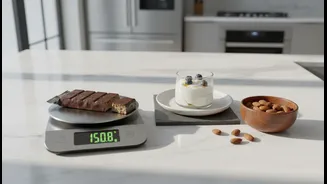
The FDA's approval for orforglipron (brand name Foundayo) specifies its use in combination with a reduced-calorie diet and increased physical activity. This is a crucial detail that often gets lost in the hype. The medication is designed to work as an adjunct to lifestyle changes, not a replacement for them. It helps by reducing appetite and quieting “food noise,” making it easier for individuals to adhere to healthier eating habits. However, without foundational changes in diet and exercise, the long-term effectiveness of the drug is compromised. Lasting weight management is a holistic process that requires sustained effort, behavioral change, and a supportive environment—factors that a pill alone cannot provide.
A Lifelong Commitment
Obesity is a chronic condition, and treatments like orforglipron are often long-term commitments. Studies have shown that when people stop taking GLP-1 drugs, they tend to regain a significant portion of the lost weight. This was the experience shared by Oprah Winfrey, who found her weight climbed again after she stopped her medication despite maintaining a healthy lifestyle. This underscores that these are not short-term fixes but ongoing medical treatments. The prospect of taking a daily medication indefinitely, with its associated costs and potential side effects, is a far cry from an “effortless” solution. It requires a serious conversation between a patient and their doctor about the risks, benefits, and long-term realities.