


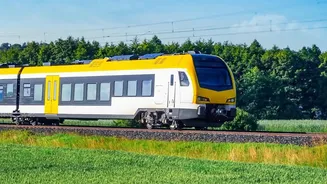


The Race to Net-Zero by 2030
Indian Railways has set a formidable goal to achieve net-zero carbon emissions by 2030, a move that would make it the world's largest railway network to do so. This strategy is built on several pillars, including the complete electrification of its broad-gauge
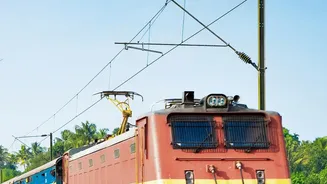
network, a massive shift to renewable energy sources for its power needs, and enhancing energy efficiency across its operations. While electrification has made incredible strides, covering over 99% of the broad-gauge network as of March 2026, there are still routes where laying overhead electric lines is not feasible or economical, such as challenging terrains and heritage lines. This is precisely where alternative clean fuels like hydrogen become critical.
How Hydrogen Trains Work
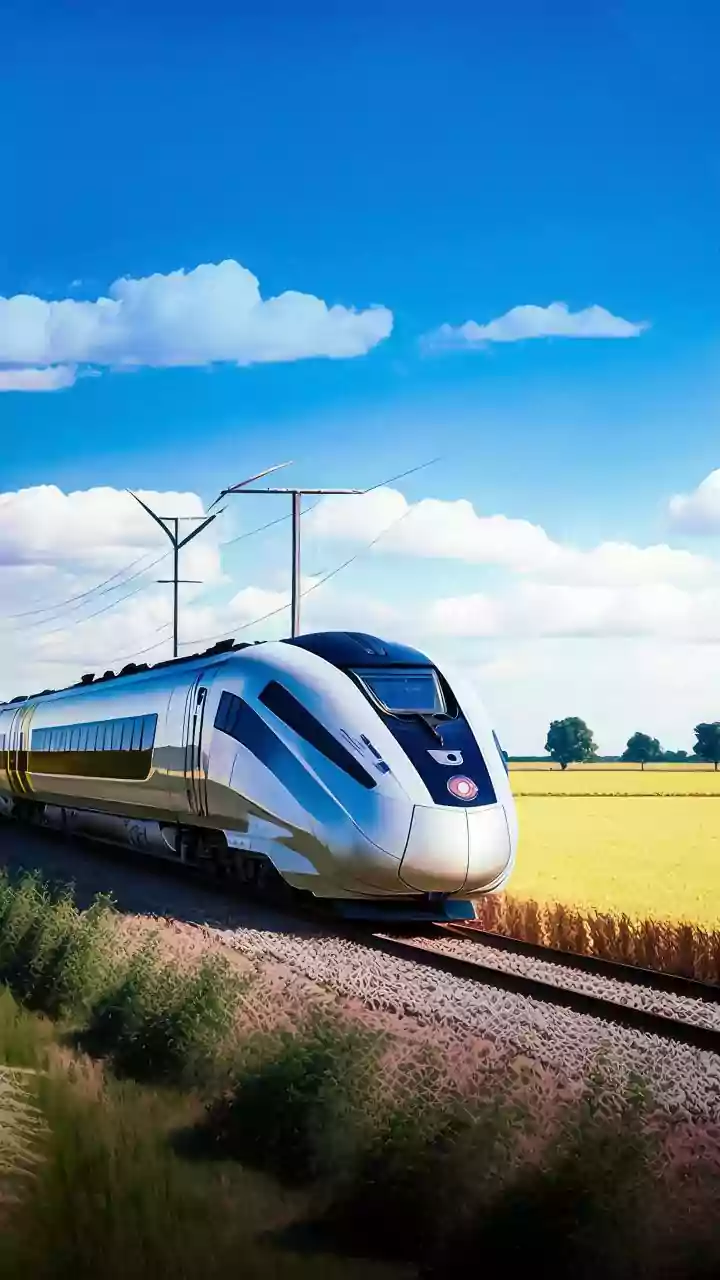
So, what exactly is a hydrogen train? Think of it as an electric train that carries its own power plant. Instead of drawing electricity from overhead wires, it uses hydrogen fuel cells to generate power onboard. The process is clean and simple: hydrogen stored in tanks on the train combines with oxygen from the air inside a fuel cell. This chemical reaction produces electricity to power the motors, with the only by-product being water vapour and a small amount of heat. There are no diesel fumes, no soot, and no greenhouse gas emissions, making it a truly zero-emission mode of transport at the point of use.
India's 'Hydrogen for Heritage' Initiative
Indian Railways is pioneering this technology through its 'Hydrogen for Heritage' initiative. The plan involves running 35 hydrogen trains on iconic and ecologically sensitive hill and heritage routes. Rather than buying expensive new trains, India has taken an innovative and cost-effective approach: retrofitting existing Diesel Electric Multiple Unit (DEMU) trains with hydrogen fuel cell systems. The first indigenously developed prototype began operations on the Jind-Sonipat section in Haryana in July 2026, marking a major milestone for the 'Atmanirbhar Bharat' vision. This pilot project is not just about the train itself; it includes the entire ecosystem, featuring a dedicated hydrogen storage and refuelling facility established at Jind.
The Clear Advantages of Hydrogen
The most significant benefit of hydrogen trains is the complete elimination of tailpipe emissions, leading to cleaner air in the regions they operate. This is especially crucial for the fragile ecosystems of heritage routes. Beyond the environmental gains, hydrogen power reduces India's dependence on imported diesel, contributing to the nation's energy security and saving valuable foreign exchange. These trains are also significantly quieter than their diesel counterparts, reducing noise pollution. By developing this technology domestically, India positions itself as a global leader in green transportation, aligning with the National Green Hydrogen Mission's goal to make the country a hub for green hydrogen production and use.
Challenges on the Track Ahead
Despite the immense potential, the journey for hydrogen trains faces several hurdles. The initial costs are high, from retrofitting the trains to building the necessary refuelling infrastructure. The cost of 'green hydrogen'—produced using renewable energy—is currently more expensive than diesel, though prices are expected to fall as production scales up under government initiatives. Ensuring the safe storage and handling of hydrogen, which is a highly flammable gas, requires stringent safety protocols and infrastructure. As the technology is still new in Indian operating conditions, the performance and durability of the systems will be closely monitored to ensure they can handle the country's diverse climate and demanding schedules.