





The Grams-Counting Myth
In the world of health and fitness, tracking macronutrients has become a daily ritual for many. Apps and guides make it easy to focus on a single number: your daily protein target in grams. This simple approach, often recommended for muscle building and weight
management, suggests that as long as you hit your number—whether it's 100 or 150 grams—you've succeeded. The appeal is obvious. It provides a clear, measurable goal. However, researchers and nutritionists are increasingly pointing out that this method misses a crucial part of the story. The body doesn't just see a pile of protein; it sees a collection of building blocks, and not all are created equal.
Meet the Amino Acids
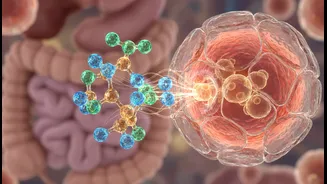
Protein is constructed from smaller units called amino acids. There are 20 different amino acids that your body uses to build and repair tissues, from muscles to skin. Your body can produce 11 of these on its own, which are known as non-essential amino acids. The other nine must come from your diet. These are called essential amino acids, and they are the cornerstone of protein quality. For your body to effectively use the protein you eat, it needs all nine of these essential amino acids present in the right proportions. This is where the simple act of counting grams falls short; it doesn't distinguish between a protein source rich in these essential components and one that is lacking.
Complete vs. Incomplete Sources
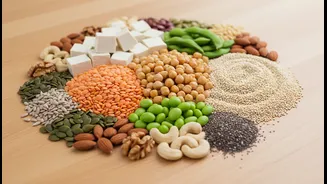
This brings us to the distinction between complete and incomplete proteins. A food source is considered a complete protein when it contains all nine essential amino acids in sufficient amounts. Animal-based products like meat, fish, eggs, and dairy are classic examples of complete proteins. Several plant-based foods also make the list, including soy products (like tofu and edamame), quinoa, chia seeds, and buckwheat. In contrast, most other plant-based foods, such as beans, lentils, nuts, and grains, are considered incomplete proteins because they are low in one or more essential amino acids. This doesn't make them inferior, but it does mean that relying on a single plant source might not provide the full spectrum of building blocks your body requires.
The Digestibility Factor
Beyond the amino acid profile, another key factor is digestibility—how well your body can actually break down the protein and absorb the amino acids. Not every gram of protein listed on a nutrition label is fully available to your body. Scientists use scoring systems like the Protein Digestibility Corrected Amino Acid Score (PDCAAS) to measure this, which evaluates both amino acid content and digestibility. Animal proteins and soy generally have very high digestibility scores. Some plant proteins can be harder to digest due to their cellular structure and other compounds. This means that even if you consume a high quantity of protein from certain sources, your body might only be able to use a fraction of it.
Putting It All Together: A Smarter Strategy
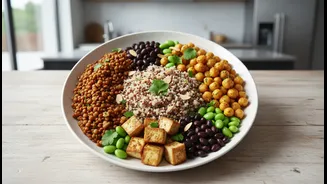
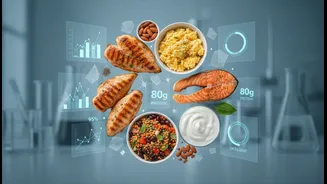
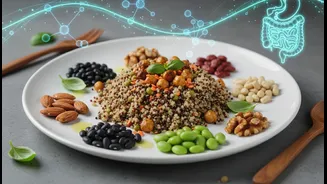
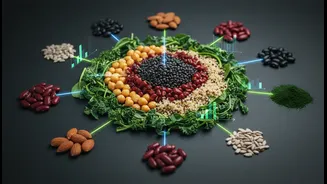
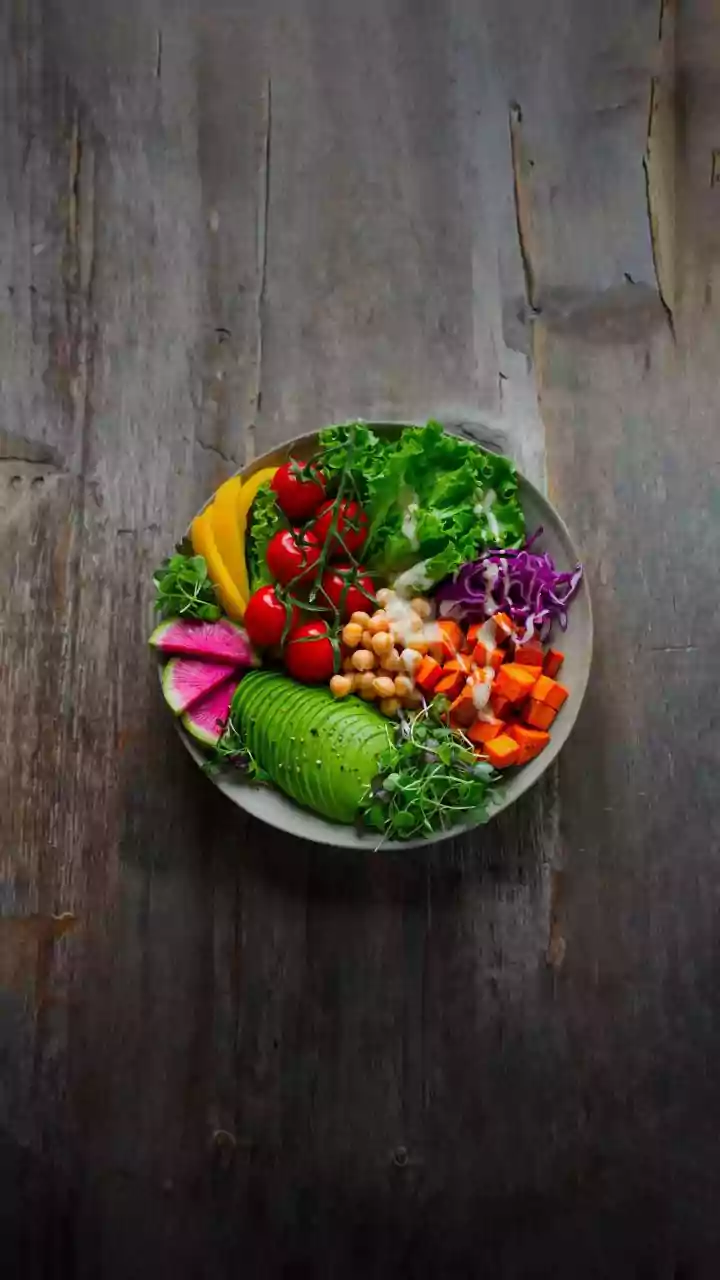
So, what does this mean for your daily routine? You don't necessarily need to throw away your tracking app, but you should shift your focus from pure quantity to a blend of quality and variety. For those who eat animal products, incorporating sources like eggs, Greek yogurt, chicken, and fish ensures you're getting high-quality, digestible protein. For vegetarians and vegans, the key is variety and combination. The old myth that you need to combine specific proteins at every single meal has been largely debunked; what's important is eating a variety of sources throughout the day. For instance, pairing grains like rice or bread with legumes like beans or lentils creates a complementary profile that supplies all nine essential amino acids. Ultimately, a diet rich in diverse protein sources will serve you far better than one fixated on a single number.