





The New Monsoon Rush
The perception of monsoon travel in India has fundamentally shifted. Far from being a time to stay home, the rainy season from June to September is now seen as a prime window for holidays. This trend is driven by a quest for unique, experience-led travel,
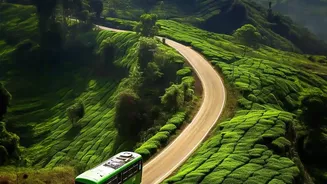
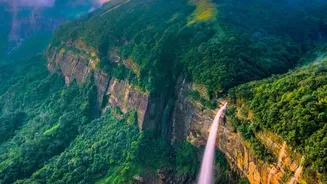
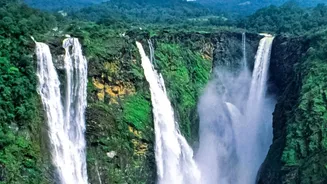
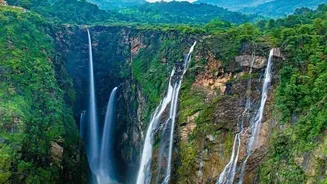
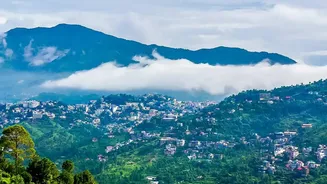
with lush landscapes, overflowing waterfalls, and cooler temperatures proving a major draw. Social media is filled with images of mist-covered hills in destinations like Coorg, Munnar, and Mussoorie, inspiring more people to seek out these atmospheric escapes. This isn't just about pretty pictures; reports show a significant surge in travel searches and bookings for monsoon-centric locations. For instance, searches for destinations like Rishikesh and Mussoorie have grown by over 160% year-on-year. This newfound popularity means the old rules of off-season discounts and last-minute availability no longer apply.
Why Mid-Range is the Sweet Spot
Amid this boom, mid-range hotels are feeling the most intense pressure. This segment, offering a comfortable balance of quality amenities and affordability, has become the go-to choice for a vast majority of domestic tourists. It caters perfectly to families, couples, and the growing number of remote workers looking for a change of scenery without the extravagance of luxury resorts or the compromises of budget lodging. The Indian mid-scale hotel segment has been expanding rapidly, fueled by a rising middle class with higher disposable incomes. These hotels provide value-driven stays that are accessible and enjoyable, making them the engine of domestic tourism growth. As a result, they are at the epicenter of the current demand surge, caught between soaring customer expectations and the operational reality of a full house.
The View from the Front Desk
For hoteliers in the mid-range sector, this high demand is a double-edged sword. While occupancy rates are strong, with some hotel chains reporting July bookings pacing nearly 10% ahead of the previous year, the pressure is immense. Many popular destinations in states like Kerala, Goa, Himachal Pradesh, and Uttarakhand are reporting a sharp rise in bookings. This leads to several challenges, including managing dynamic pricing systems that can see rates fluctuate wildly, ensuring consistent service quality with stretched staff, and dealing with the infrastructural strains in tourist towns that weren't built for year-round peak seasons. Furthermore, the industry faces a persistent shortage of skilled labor, making it difficult to scale up service during these unexpected peaks. The result is a constant balancing act to keep guests happy while managing operational constraints.
What This Means for Your Travel Plans
For travelers, the direct impact is clear: booking a good, reasonably priced hotel during the monsoon now requires more strategic planning. The days of spontaneously heading to a hill station for the weekend and finding a decent room upon arrival are dwindling. You can expect less availability, especially for prime dates and properties with good reviews. Prices are also on the rise. With demand outstripping supply in popular spots, hotels are less inclined to offer the steep off-season discounts they once did. This trend highlights a broader shift where domestic tourism is becoming a year-round phenomenon, forcing travelers to adapt their booking habits and budget expectations accordingly.
How to Navigate the Booking Crunch
Despite the challenges, a fantastic monsoon trip is still very much possible with some smart planning. The most crucial piece of advice is to book well in advance, particularly if you have your heart set on a popular destination or hotel. Flexibility is your friend; consider traveling on weekdays instead of weekends for better rates and fewer crowds. Look beyond the most famous towns—for every saturated spot, there's a quieter alternative nearby offering a similar experience. Don't be afraid to book directly with hotels, as they sometimes offer better deals or hold back rooms from online portals. Finally, consider exploring destinations that are just starting to gain monsoon popularity or those where the season offers a unique cultural experience, such as the Onam festival in Kerala. Managing your expectations and planning ahead will ensure your rainy-day getaway is relaxing for all the right reasons.