



Understanding Your Waste
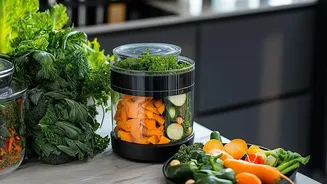
The first step is knowing what you throw away. In a typical Indian city household, organic or 'wet' waste—like vegetable peels, fruit scraps, tea leaves, and leftovers—can make up 50% or more of your daily trash. This is the portion that rots in landfills,
releasing harmful methane gas. By separating this organic matter, you're not just reducing your trash; you're isolating a valuable resource. Everything from fruit peels and coffee grounds to crushed eggshells can be composted. The key is to avoid meat, dairy, and oily foods in simple home setups, as they can create odours and attract pests.
Choosing Your Apartment-Friendly Method
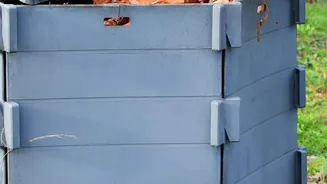
You don't need a garden to compost. Several methods are perfectly suited for small spaces like balconies and kitchens. A popular choice in Indian flats is the 'Khamba' or three-tiered terracotta pot system, which allows for rotation and aeration. Another excellent, odour-free option is vermicomposting, which uses earthworms in a container to break down scraps quickly. For those with truly limited space, a simple plastic bucket or bin with a lid and some holes drilled for aeration can work wonders. The key is to choose a contained system that won’t leak and is easy to manage in your available space.
Getting Started Today: A Simple Guide
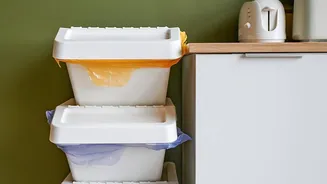
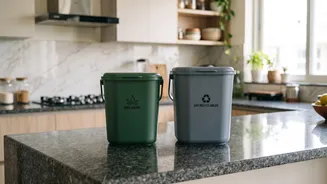
Ready to begin? Start by designating a small, lidded container in your kitchen for daily food scraps. In your main compost bin (a bucket or pot on your balcony), create your first layer. Start with a base of 'browns'—dry materials like dried leaves, shredded newspaper, or cocopeat. This helps with drainage and aeration. Add your collected kitchen scraps ('greens') on top. Finally, cover the fresh scraps with another layer of browns. This is the golden rule: always cover your wet waste with dry waste. It prevents smells and keeps flies away. Moisten the pile slightly if it feels too dry, but don't make it soggy.
Troubleshooting Common Concerns
Two main fears stop people from composting: smells and pests. A foul, rotten-egg odour usually means your pile is too wet and not getting enough air. The solution is to add more dry 'brown' material like sawdust or torn cardboard and give the pile a good mix to introduce oxygen. If the pile is too dry and not breaking down, it needs more moisture. A light sprinkling of water will reactivate the microorganisms doing the work. To avoid pests, ensure you are only adding plant-based waste and always covering new additions with a layer of dry material.
The Reward: Black Gold for Your Plants
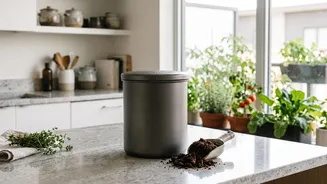
Patience is part of the process. In 45 to 60 days, your kitchen scraps will transform into dark, crumbly, nutrient-rich compost, often called 'black gold'. This finished product is an incredible, all-natural fertiliser. You can mix it into the soil of your balcony plants, window herbs, or potted flowers. It improves soil structure, helps retain moisture (reducing the need for frequent watering), and provides the essential nutrients your plants need to thrive. You've successfully closed the loop: what came from a plant has gone back to nourish another one, all while dramatically shrinking your contribution to the city's landfills.