



More Than Just Fabric
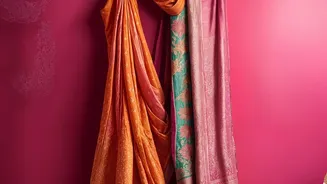
A silk saree passed down from a mother or grandmother is never just six yards of fabric; it's a living piece of family history. These sarees are symbols of tradition, worn during weddings, festivals, and milestone celebrations. Their threads hold stories,
blessings, and the sentimental weight of generations. This profound emotional connection is a primary reason women are hesitant to discard them but are eager to preserve the memories they represent. Restyling a Kanjeevaram or Banarasi silk into a new garment isn't about disposal; it's about honouring its legacy, allowing a cherished heirloom to be a part of new memories.
A Stitch for Sustainability
The modern fashion industry is one of the world's biggest polluters, with millions of tonnes of textile waste generated annually. Upcycling offers a powerful antidote to this culture of disposability. Giving an old saree a new form is an inherently sustainable act that reduces landfill waste and lessens the demand for new production, which consumes vast amounts of water and energy. This practice, long a part of frugal Indian households, is now being embraced by a new generation as a conscious environmental choice. It's a shift from being seen as a sign of necessity to a mark of being a mindful consumer.
The Creative Canvas
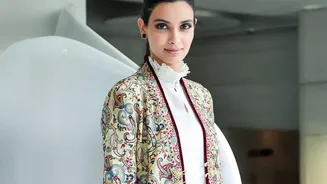
The sheer versatility of a saree makes it a dream for creative reinvention. Designers and local boutiques are transforming these heritage fabrics into a stunning array of contemporary and traditional outfits. Heavy silks with rich borders are perfect for crafting structured lehengas, elegant gowns, or sharp jackets. Lighter, flowy sarees can be turned into chic kaftans, dresses, and kurtis. Even the smallest sections can find a new purpose, with intricate pallus becoming the focal point of a trendy corset top, a statement blouse, or unique accessories like bags and clutches. This creative process allows the most beautiful parts of the saree to be showcased in a fresh, modern context.
Uniquely Yours in a World of Clones
In an era dominated by mass-produced fast fashion, the appeal of a one-of-a-kind garment is stronger than ever. An outfit created from an old saree is, by its very nature, entirely unique. The specific weave, the particular pattern of the zari, the colour combination—it cannot be replicated. This exclusivity is a powerful draw, especially for Gen Z and millennial consumers who value individuality. Wearing a restyled piece is a personal style statement that reflects not just a trend, but a story. It's a way to stand out while carrying a piece of personal history.
The Economics of Elegance
Beyond the emotional and environmental benefits, upcycling makes practical financial sense. Creating a new outfit from an existing saree is often more cost-effective than purchasing a new, high-quality garment, especially for festive occasions. This practice also supports a circular economy that benefits local artisans and tailors. A growing number of designers and brands are building their businesses around the principle of upcycling, providing skilled work and championing India's rich craft traditions. By choosing to restyle, consumers are not only saving money but also investing in a system that values craftsmanship over mass production.