






A Shift Towards Healthier Homes
The annual battle against monsoon-related grime has traditionally involved a formidable arsenal of chemical-laden cleaners. However, a significant change is underway. Driven by rising health and environmental awareness, Indian consumers are increasingly
scrutinising the products they bring into their homes. The eco-friendly home hygiene market in India is expanding rapidly, with one report projecting it to reach USD 28.44 billion by 2030. This growth isn't just a niche trend; it reflects a fundamental shift in household habits, where safety for children and pets, and the desire for sustainable living, are reshaping purchasing decisions. The enclosed nature of homes during the rainy season amplifies concerns about indoor air quality, as many conventional cleaners release Volatile Organic Compounds (VOCs) that can irritate the respiratory system and worsen allergies.
The Problem with Monsoon Humidity
The monsoon's high humidity creates the perfect breeding ground for mould, bacteria, and fungi, especially in kitchens, bathrooms, and wardrobes. This dampness leads to persistent musty smells, sticky floors, and an influx of pests seeking shelter. While powerful chemical sprays offer a quick fix, they often come with downsides. Ingredients like bleach and ammonia can be harsh, and their fumes can become concentrated in poorly ventilated rooms. This has prompted a return to traditional, kitchen-cabinet remedies that are both effective and gentle on the home environment.
Your Natural Monsoon Cleaning Toolkit
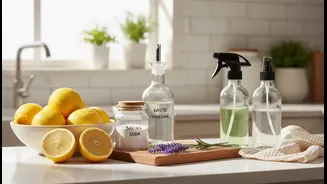
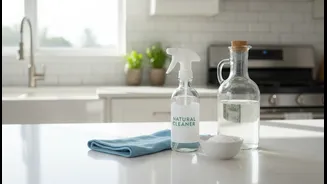
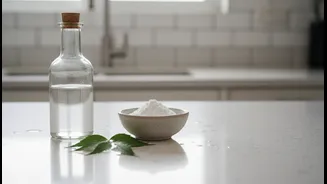
Adopting a low-chemical approach doesn't require expensive products. Many of the most effective solutions are likely already in your kitchen. White vinegar, with its acidic properties, is a powerhouse against mould and mildew. A simple spray of equal parts vinegar and water can be used on tiles and windowsills to break down fungal growth. Baking soda is another hero ingredient, acting as a natural deodoriser and a gentle abrasive. Placing small bowls of baking soda in cupboards can absorb excess moisture and neutralise musty odours. For pest control, neem is a centuries-old solution. Boiling neem leaves in water creates an effective floor-cleaning solution that deters insects, and dried leaves can be placed in wardrobes to protect clothes.
Simple DIY Recipes for a Fresh Home
Tackling common monsoon issues can be straightforward with these simple recipes: For Mould and Mildew: Mix equal parts white vinegar and water in a spray bottle. Spray directly onto affected surfaces, let it sit for an hour, and then scrub clean. To Fight Musty Odours: Place open bowls of baking soda in wardrobes, cabinets, and even the refrigerator to absorb unpleasant smells. For a natural air freshener, you can simmer lemon peels and cloves in water. For Sticky Floors: Add a cup of white vinegar to your mopping bucket. The solution effectively cuts through grime without leaving a sticky residue. Natural Insect Repellent: Mix neem oil with water and a few drops of liquid soap. Spray this solution around window frames and doorways to deter ants and other pests.
The Growing Market for Green Cleaners
For those who prefer the convenience of ready-made products, the market is responding with a surge in plant-based and eco-friendly cleaning brands. Companies are formulating products that feature traditional ingredients like neem, lemon, and eucalyptus, scientifically blended for modern homes. This trend is supported by an expanding middle class with greater purchasing power and access to information through digital platforms. As consumers become more ingredient-conscious, brands are focusing on transparency and sustainable packaging, including refillable containers, to appeal to this eco-aware demographic.