
The Alleppey Houseboat Dream and Its Reality
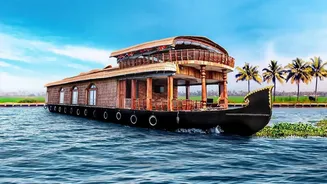
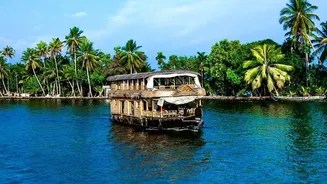
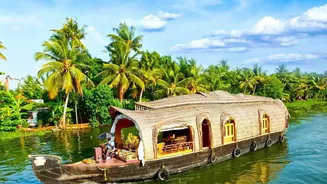
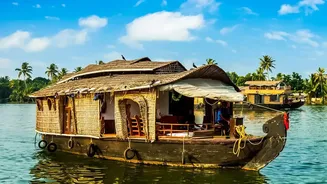
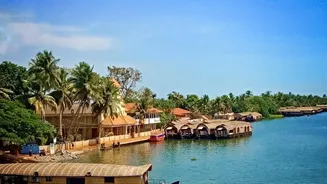
For decades, Alleppey (Alappuzha) has been the undisputed king of the Kerala backwaters. The appeal is obvious: a floating hotel room, complete with a personal crew, gliding across the expansive Vembanad Lake. It promises relaxation, catered meals, and
front-row seats to stunning sunsets. For many, this is the ultimate Keralan escape. However, the very popularity of this dream has created a challenging reality. With over 1,500 houseboats operating in the region, the main waterways can feel less like a serene escape and more like a floating traffic jam. Most large houseboats are restricted to the wide, main channels, missing the intricate network of smaller canals where authentic village life unfolds. Furthermore, houseboats are required to dock by late afternoon, meaning much of your expensive overnight stay is spent stationary, often alongside dozens of other vessels. This has led to growing environmental concerns, with reports of pollution from waste and fuel threatening the delicate ecosystem that tourists come to see.
Munroe Island: The Authentic Alternative
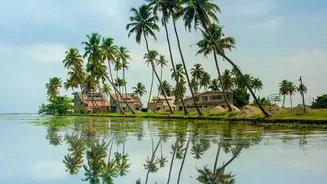
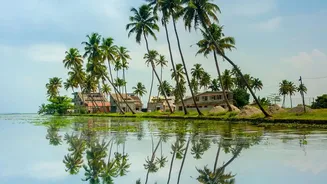
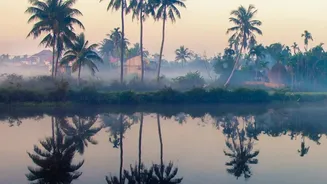
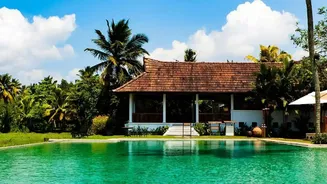
Now, picture this: you wake up not to the sound of a generator, but to the gentle lapping of water against the shore outside a family-run homestay. This is the experience offered by Munroe Island (Mundrothuruthu), a quieter cluster of islets at the confluence of Ashtamudi Lake and the Kallada River. Unlike the tourist-centric model of Alleppey, life on Munroe Island is built around community and nature. The primary mode of exploration isn't a large, engine-powered boat, but a traditional, hand-paddled canoe. These slender boats can navigate the narrowest of canals, gliding silently under low bridges and past lush mangrove forests, offering an intimacy with the backwaters that houseboats simply cannot match. The stay itself is part of the immersion; homestays provide not just a room, but a warm welcome into a local family's life, complete with delicious home-cooked Keralan meals.
Immersion vs. Observation
The core difference between the two vacations comes down to participation. An Alleppey houseboat trip is largely a passive experience. You are an observer, watching the world go by from the deck of your vessel, separated from the life on the banks. In contrast, a Munroe Island homestay encourages active immersion. A canoe tour is not just a ride; it’s a guided journey with a local boatman who knows every bird and tree. You can stop to watch coir-making, visit a local fish farm, or simply wave back at children playing by the water's edge. Many travellers who have experienced both prefer Munroe for its low-key charm and more authentic feel, describing it as a truer glimpse into rural Keralan life.
The Cost and Environmental Question
Financially, the difference is stark. An overnight houseboat in Alleppey can cost anywhere from ₹10,000 to over ₹25,000. A comfortable homestay on Munroe Island, combined with a multi-hour canoe tour, often comes to a fraction of that price, offering what many feel is better value. The environmental argument is just as compelling. While some luxury houseboats are adopting greener practices, the sheer number of boats in Alleppey has led to significant pollution, affecting water quality and local livelihoods. The low-impact, human-powered canoe tours and small-scale homestays on Munroe Island represent a more sustainable form of tourism that directly supports local families while preserving the environment they depend on.
A Fragile Paradise
Choosing Munroe Island also comes with a unique sense of purpose. The island is facing significant environmental challenges, including land subsidence and increased flooding, leading some to call it a 'sinking island'. This fragility makes responsible tourism all the more vital. By visiting respectfully, staying in local homestays, and supporting eco-friendly tours, travellers contribute directly to the island's economy, providing an incentive for its preservation. Your visit becomes more than just a holiday; it's a small but meaningful contribution to the sustainability of a unique and beautiful place.