




An Unprecedented Booking Frenzy
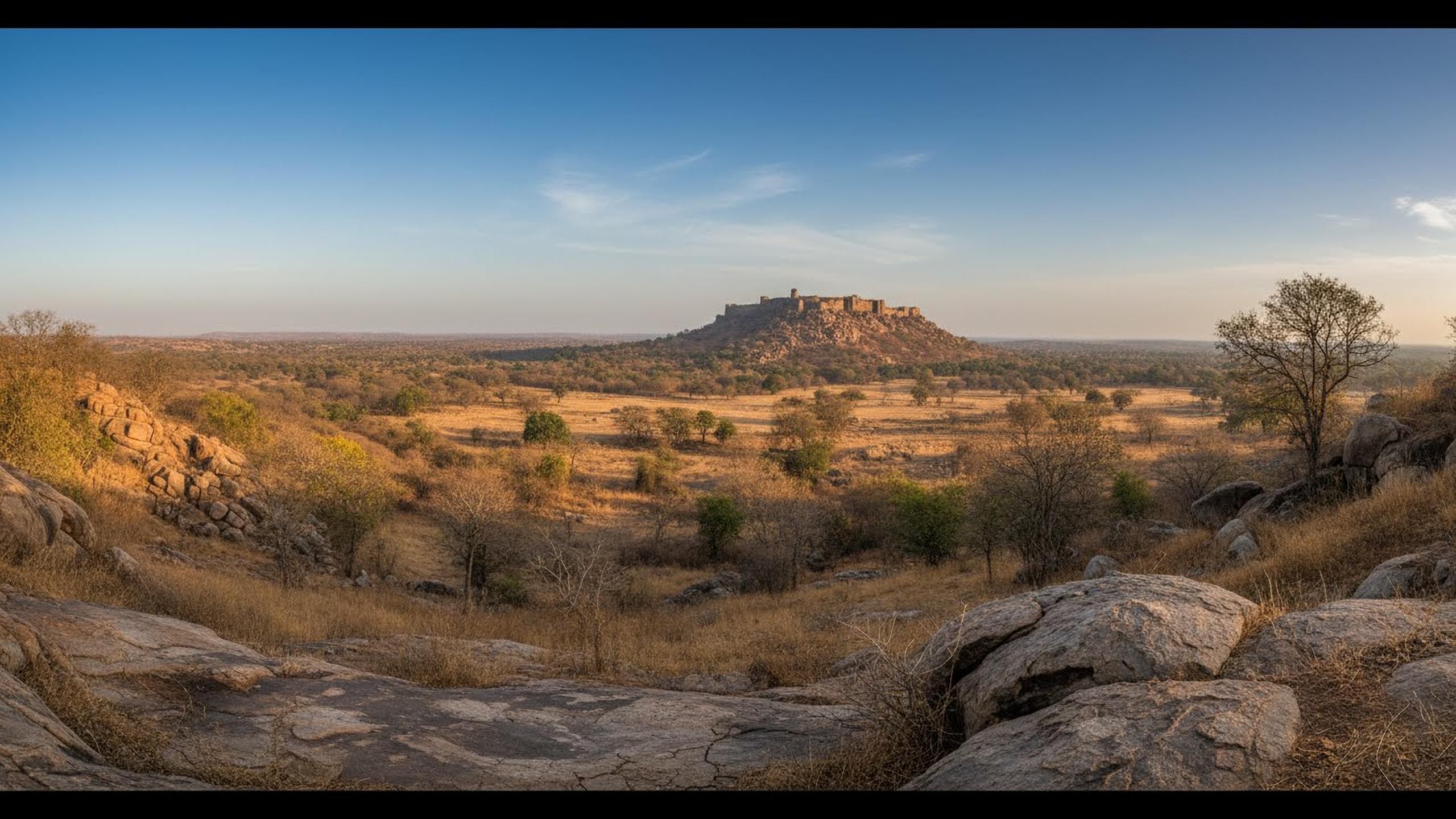
The demand for Ranthambore safaris has reached a fever pitch. When advance bookings for the October to December 2026 season opened on August 1st, a staggering 40,000 registrations were logged within just two hours. This unprecedented rush, which included
nearly 14,000 international tourists, highlights the park's immense popularity and the urgent need for prospective visitors to plan well in advance. The park opens its core zones from October 1st to June 30th, closing for the monsoon season, which makes the reopening a highly anticipated event. This surge confirms that if a Ranthambore trip is on your mind, booking the moment slots become available is no longer a suggestion, but a necessity.
Decoding the Safari Zones
Ranthambore is divided into 10 safari zones, and knowing their characteristics is key to managing expectations. Zones 1 through 5 are considered the 'core' area, historically offering the best chances for tiger sightings due to their landscape and established tiger territories. Zones 3 and 4 are particularly famous, featuring lakes and open grasslands that often draw tigers out into the open. Zones 6 through 10 are the 'buffer' areas. While traditionally seen as secondary, tiger populations have expanded, and sightings in these zones, particularly Zone 6, have become increasingly common. The forest department allocates zones via a computerised system, so while you can state a preference when booking, your final zone is subject to availability. Booking early is the best strategy to increase your chances of securing a spot in a preferred core zone.
Jeep vs. Canter: Choosing Your Safari Vehicle
You have two main vehicle options for your safari: the 6-seater Jeep (often a Maruti Gypsy) and the 20-seater Canter. The Jeep offers a more intimate and flexible experience. Its small size allows it to navigate narrow trails, making it a favourite among photographers and those seeking a private tour. However, Jeeps are more expensive and harder to book due to high demand. The Canter is a larger, open-top bus that is more budget-friendly and a great option for larger groups or solo travellers. While it's limited to wider tracks, its elevated seating provides excellent panoramic views. The choice depends on your budget, group size, and what kind of experience you're after. Some seasoned visitors recommend booking one of each to experience different facets of the park.
Navigating the Online Booking Process
All bookings are managed through the official Rajasthan Forest Department online portal. To book, you'll need to create an account and have the full name and a valid government-issued photo ID (like an Aadhaar card, passport, or driver's license) for every member of your group. The process requires you to select your desired date, time slot (morning or afternoon), and vehicle type. Bookings typically open 90 to 120 days in advance, and it's crucial to be ready to book the moment they go live, especially for peak holiday periods like Diwali and Christmas. Be meticulous when entering details, as any mismatch between the booking information and your ID on the day of the safari can lead to your entry being denied.
Essential Tips for Success
To maximise your chances of a successful booking and a memorable safari, keep these tips in mind. First, book as far in advance as possible; last-minute availability is extremely rare for good zones. Be flexible with your dates and zones; weekdays are generally less crowded than weekends. If booking directly proves difficult, consider using a reputable hotel or a registered travel agent, but be aware of potential service fees. Finally, remember that wildlife sightings are never guaranteed. The thrill is in the search. Follow your guide's instructions, keep noise to a minimum, and respect the park's rules to ensure a safe and enjoyable experience for everyone, including the animals.