







The Sweet Dilemma of the Mango
Let's be clear: mangoes are nutritional powerhouses, packed with vitamins A and C, antioxidants, and flavour that is second to none. They are a celebrated part of our culture for a reason. However, they are also rich in natural sugars, primarily fructose.
When you eat a mango on its own, your body digests these sugars quickly, leading to a rapid spike in blood glucose levels. This is often followed by a subsequent 'crash', leaving you feeling tired and sluggish. For individuals monitoring their blood sugar, such as those with insulin resistance or diabetes, this can be a significant concern. The Glycemic Index (GI), which measures how quickly a food raises blood sugar, places mangoes in the moderate range. This means that while they aren't as disruptive as pure sugar, they still have a noticeable impact on your energy levels and metabolic response.
Fibre: The Essential Balancer
This is where dietary fibre becomes your best friend. Think of fibre as the traffic controller for your digestive system. When you consume fibre along with sugar, it slows down the entire digestive process. Soluble fibre, in particular, forms a gel-like substance in your gut. This gel traps sugars and starches, forcing your body to absorb them much more slowly and steadily. The result? Instead of a sharp, sudden spike in blood sugar, you get a gentle, rolling wave. This prevents the energy crash and keeps you feeling fuller for longer. You can get this fibre from the mango itself (by eating the whole fruit, not just the juice), but amplifying it with other sources is even more effective. This simple act of pairing transforms a sugary treat into a more balanced and sustained source of energy.
The Role of Hydrating Melons
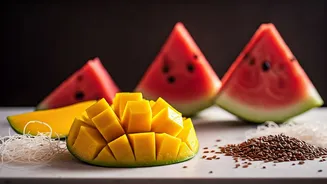
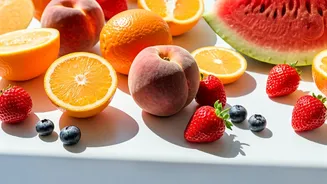
So, where do melons like watermelon and muskmelon fit into this picture? Their primary contribution is hydration and volume. Melons are over 90% water, making them incredibly effective at quenching thirst during the hot summer months. This high water content also means that despite their sweet taste, their overall sugar density, or glycemic load, is relatively low. Eating melon alongside a mango adds bulk to your snack without adding a significant sugar burden. This promotes satiety—the feeling of being full and satisfied—which can help prevent you from overindulging in higher-sugar fruits. Furthermore, melons bring their own unique set of nutrients, like lycopene in watermelon and vitamin A in muskmelon, complementing the nutritional profile of the mango.
Building the Perfect Fruit Plate
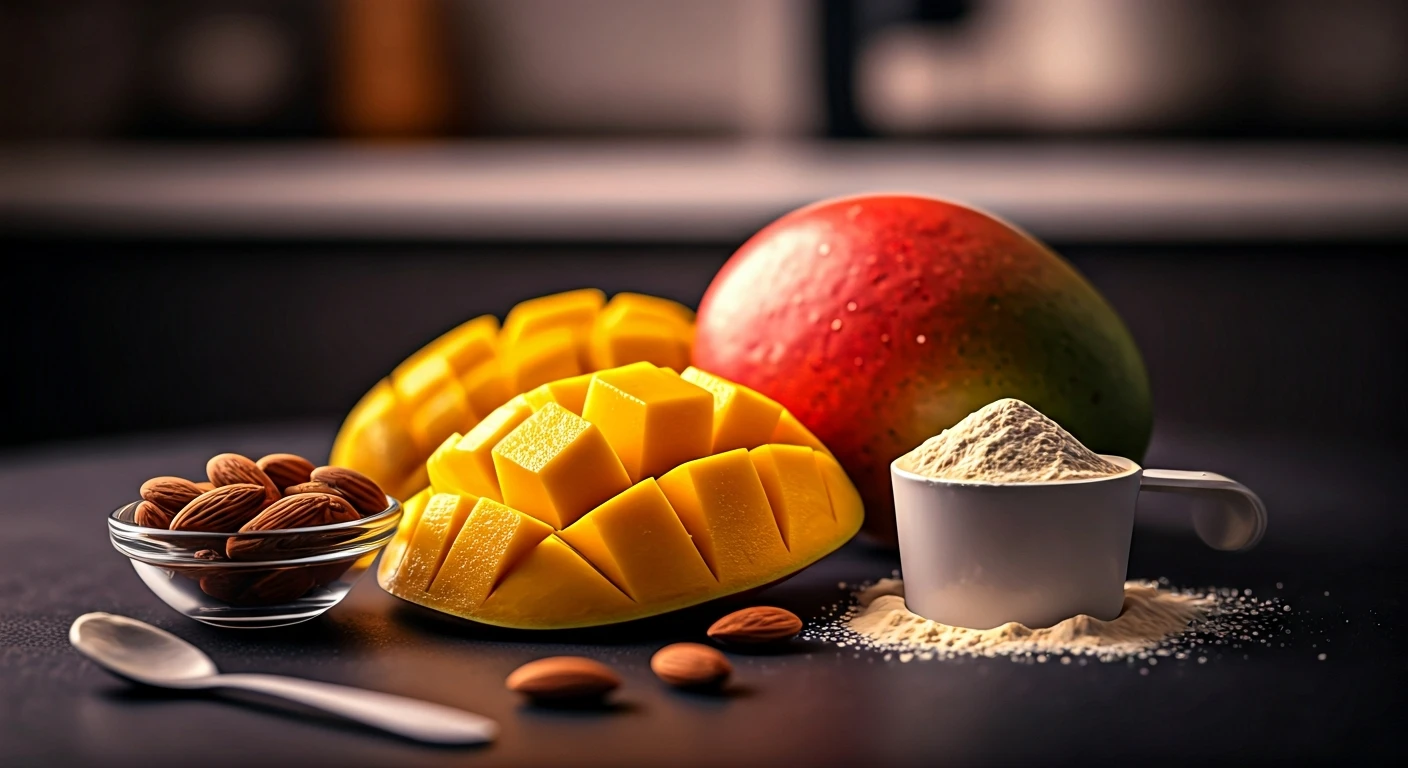
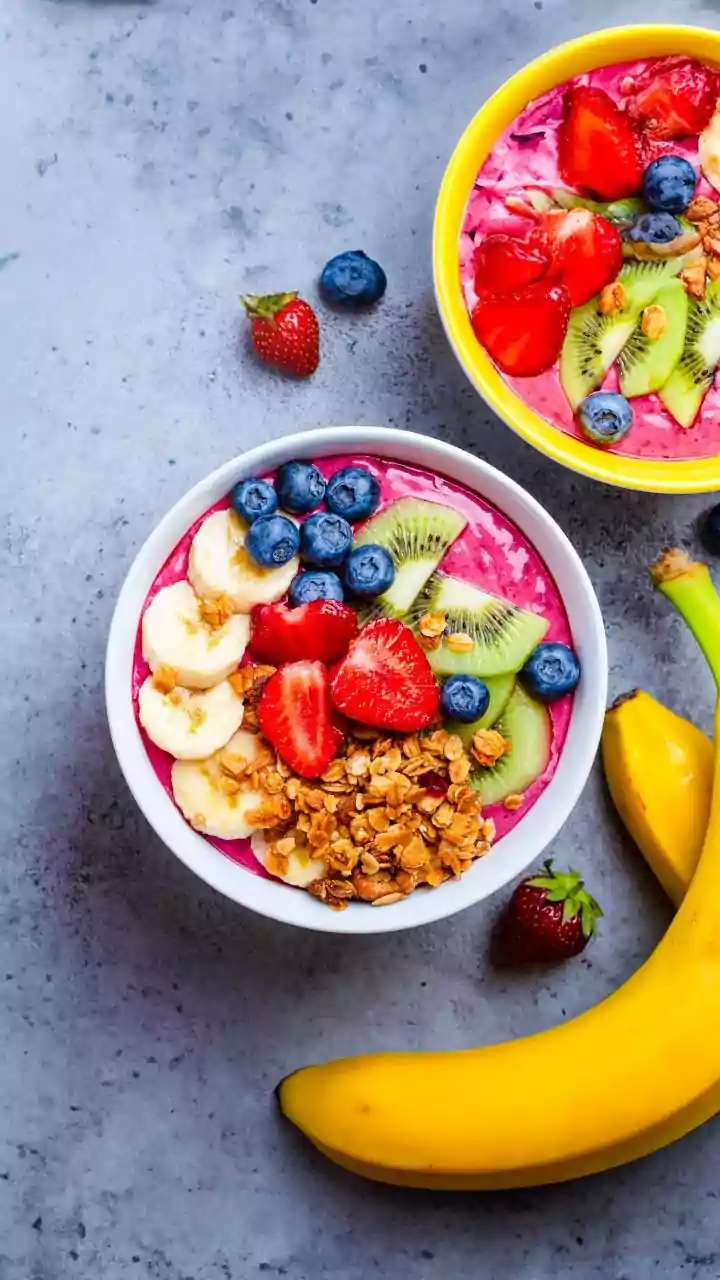
Putting this knowledge into practice is simple. The goal is to combine these elements into a balanced, delicious, and satisfying snack. Instead of just eating a bowl of chopped mango, create a mixed fruit salad. Combine cubes of mango with chunks of muskmelon or watermelon. To boost the fibre content even further, sprinkle over a tablespoon of chia seeds or flax seeds. Both are fantastic sources of soluble fibre and healthy omega-3 fats. Another excellent option is to pair your fruit plate with a small handful of nuts like almonds or walnuts. The healthy fats, protein, and fibre in the nuts work synergistically with the fibre in the fruit to slow sugar absorption to a crawl. This balanced approach ensures you get all the joy of summer fruits without the metabolic rollercoaster.
More Than Just Blood Sugar
The benefits of this combination extend beyond just managing energy levels. The added fibre is crucial for digestive health. It helps regulate bowel movements, prevents constipation, and feeds the beneficial bacteria in your gut, contributing to a healthy microbiome. The high water content from the melons ensures you stay hydrated, which is vital for everything from skin health to cognitive function, especially in the sweltering heat. By thinking about how foods work together, you're not just controlling for one factor like sugar; you're creating a meal that supports multiple systems in your body, from your gut to your brain. It's a holistic approach to enjoying nature's candy.