




The Complete Protein Puzzle
First, let's break down what 'complete protein' actually means. Think of proteins as long chains made of smaller building blocks called amino acids. There are 22 amino acids your body uses, but nine of them are considered 'essential' because your body can't
make them. You have to get these nine from your diet. A food is called a 'complete protein' when it contains all nine of these essential amino acids in roughly equal amounts. Animal products like meat, eggs, and dairy are classic examples. While many plant foods are fantastic protein sources, most are 'incomplete', meaning they are low in one or more of these essential amino acids.
Lentils: The Humble Powerhouse
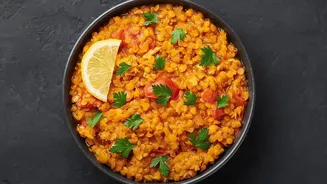
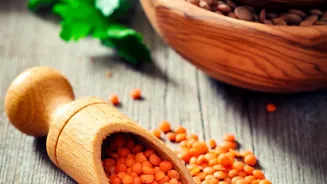
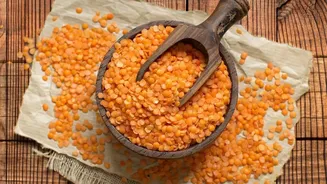
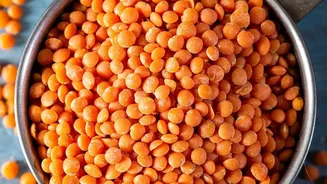
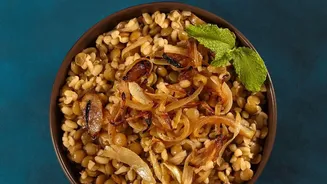
Lentils, a staple in every Indian kitchen, are a nutritional champion. A single cooked cup packs around 18 grams of protein, along with fibre, iron, and folate. They are an excellent base for any muscle-building diet. However, like most legumes, lentils have a limiting factor. They are relatively low in two specific sulfur-containing amino acids: methionine and cysteine. These are crucial for tissue growth and repair. So, while lentils provide a fantastic protein boost, they don't quite solve the entire puzzle on their own.
Seeds: The Missing Puzzle Piece
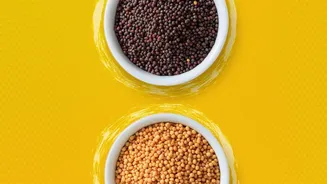
This is where seeds come in to save the day. Seeds like pumpkin, sesame, sunflower, and hemp are nutritional dynamos. What they excel at is providing the very amino acids that lentils lack. Pumpkin seeds, for instance, are rich in methionine and also boast an impressive protein content—around 30 grams per 100 grams. Similarly, sesame seeds (the key ingredient in tahini) and sunflower seeds are good sources of these crucial sulfur-containing amino acids. They perfectly complement the amino acid profile of lentils, filling in the nutritional gap.
A Perfect Partnership for Muscle Growth
When you combine lentils and seeds, you are essentially creating a complete protein source through a strategy called 'protein complementarity'. The lysine and leucine that are abundant in lentils pair up with the methionine and cysteine found in seeds. Together, they deliver all nine essential amino acids to your body. For someone hitting the gym, this is incredibly important. After a workout, your muscles are in a state of repair. Providing them with a full spectrum of amino acids gives them all the raw materials they need to rebuild stronger, promoting better recovery and muscle synthesis. You don't even need to eat them in the exact same bite; consuming them over the course of the day works just as well.
Delicious Ways to Combine Them
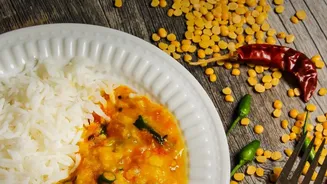
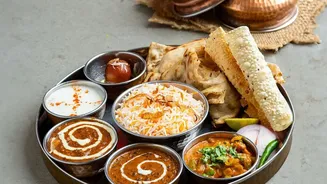
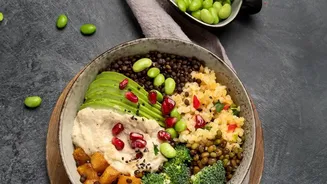
Making this pairing a part of your daily routine is easy and delicious. You don't need to prepare complicated meals. A classic dal is the perfect canvas. Simply add a 'tadka' of sunflower or pumpkin seeds along with your usual spices. You can also dry roast a mix of seeds and sprinkle them over your finished dal, lentil soup, or khichdi for added crunch and nutrition. Another great option is to blend seeds into a powder. A tablespoon of this seed mix can be stirred into your dal or even kneaded into your roti dough. For a quick snack, hummus (made from chickpeas and tahini) on whole-grain toast is a perfect example of this protein-pairing principle in action.
More Than Just Protein
The benefits of this combination extend beyond just complete protein. Seeds are an excellent source of healthy fats, including omega-3 and omega-6 fatty acids, which are beneficial for heart health and reducing inflammation. This combination also delivers a hefty dose of dietary fibre, which is essential for good digestion and helps keep you feeling full and satisfied. Furthermore, both lentils and seeds are packed with essential minerals like magnesium, zinc, and iron, all of which play a vital role in energy production and overall health.