




The Invisible Magic of Fermentation
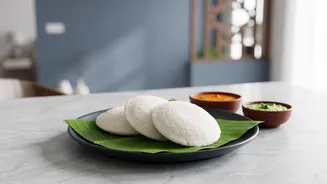
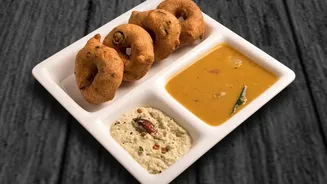
At its heart, fermentation is a natural transformation where microorganisms like bacteria and yeast break down compounds in food. In breakfast batters, particularly the kind used for traditional Indian foods like idli and dosa, this process is kicked
off by naturally occurring microbes found on the grains and lentils themselves. As these microbes get to work, they consume the starches and sugars in the batter, releasing lactic acid and carbon dioxide. This not only leavens the batter, making it light and airy, but also creates an acidic environment that prevents spoilage from harmful bacteria.
Meet the Gut's Best Friends: Probiotics
The primary stars of this fermentation show are Lactic Acid Bacteria (LAB), a group that includes beneficial strains like Lactobacillus, Leuconostoc, and Weissella. These are probiotics—live microorganisms that, when consumed, offer significant health benefits. As the batter ferments, it becomes a thriving ecosystem for these friendly bacteria. Studies have shown that traditionally prepared idli and dosa batters can contain a high concentration of these beneficial microbes, essentially turning your breakfast into a natural probiotic supplement.
Why Your Digestive System Rejoices
When you eat foods rich in these probiotics, you're helping to restore and maintain a healthy balance of bacteria in your gut. A diverse and balanced gut microbiome is crucial for overall wellness, aiding everything from digestion to immune function. The beneficial bacteria from fermented batters can help improve digestion, reduce issues like bloating and constipation, and enhance the intestinal barrier. This process is so effective because these bacteria are already adapted to thrive in a similar environment, making them well-suited to support your digestive system.
More Than Just Good Bacteria
The benefits of fermenting your breakfast batter don't stop with probiotics. The fermentation process essentially 'pre-digests' the food, breaking down complex carbohydrates and proteins into simpler forms that your body can absorb more easily. This process also reduces or eliminates 'anti-nutrients' like phytic acid, which are naturally present in grains and legumes and can block the absorption of essential minerals like iron, zinc, and calcium. Furthermore, fermentation can even increase the availability of certain nutrients, such as B vitamins, making the food more nutritious overall.
From Kitchen Counter to Healthy Gut
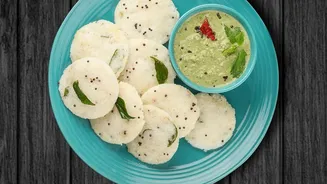
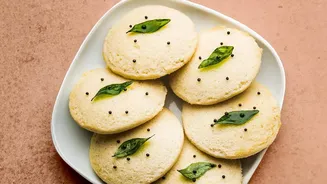
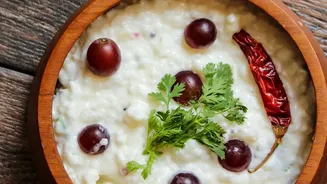
Embracing fermented batters is a simple and delicious way to support your gut health. While idli and dosa are prime examples, the principle applies to other batters too, like those for sourdough pancakes. The key is allowing the mix of flour or grains and liquid to sit at room temperature for a period, typically several hours or overnight, to let the natural microbes do their work. One important thing to note is that high heat can kill live probiotics. However, even when cooked, foods made from fermented batter are easier to digest and more nutritious because of the changes that occurred during fermentation. Pairing them with other gut-friendly foods, like coconut chutney or a side of yogurt, can further enhance the benefits.