


Debunking the 'Off-Season' Myth
For years, the narrative has been singular: Goa is for sun, sand, and shacks. This story positions the monsoon, from roughly June to September, as the 'off-season' — a consolation prize for those who missed the winter window. This couldn't be further
from the truth. It's time to reframe our thinking. This isn't a second-best option; it’s a deliberate choice for a different, arguably more profound, Goan experience. [5, 12] The rains transform the state, washing it clean and revealing a soul that gets buried under the winter crowds. It becomes a place not for escaping the cold, but for embracing the rain-soaked, lush beauty of the Konkan coast. [12, 13] Many locals will tell you this is the Goa they love, the one that feels authentic and breathes freely. [5, 17]
A Landscape Reborn in Green
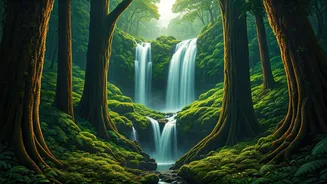
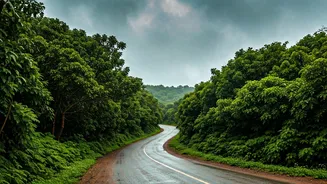
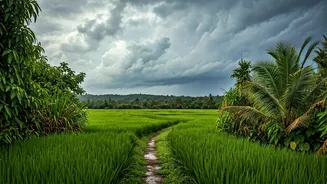
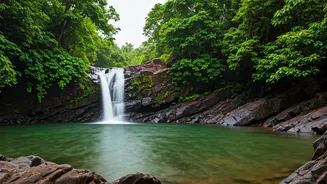
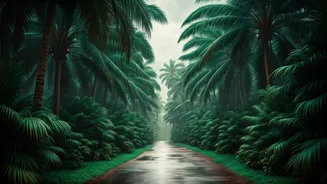
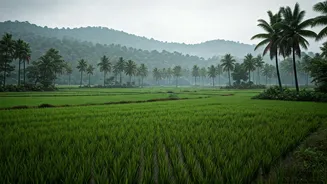
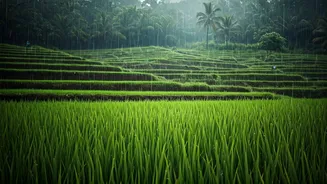
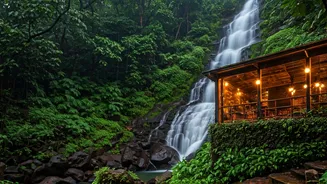
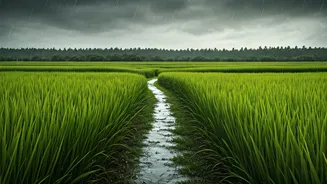
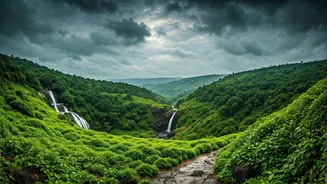
The most immediate and striking change is the landscape itself. The monsoon turns Goa into an emerald paradise. [12, 13] Parched fields transform into vibrant green rice paddies, the Western Ghats become shrouded in mist, and the air smells of wet earth and fresh growth. [5, 22] Waterfalls that are mere trickles in the dry season become roaring spectacles. The most famous, Dudhsagar Falls, swells into a powerful cascade, living up to its name, 'Sea of Milk'. [3, 7] While access to the base can be restricted during heavy rains for safety, the trek through the lush Bhagwan Mahavir Wildlife Sanctuary or even seeing it from a passing train is an unforgettable monsoon highlight. [3, 7, 15] This is the season for nature lovers, offering scenic drives through Chorla Ghat and quiet moments by overflowing rivers. [2, 6]
Adventures Beyond the Beach
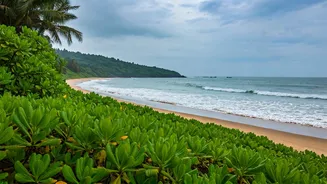
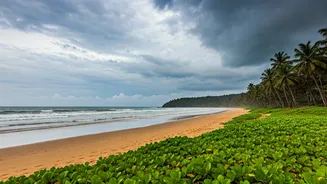
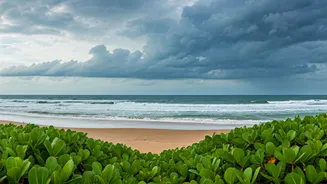
While rough seas make swimming and many beach shacks a no-go, the monsoon opens up a different kind of adventure. [2, 3] This is the prime time for trekking and hiking. [11] Trails to waterfalls like Tambdi Surla become challenging and rewarding. [11] White-water rafting on the Mhadei River offers a thrilling adrenaline rush, with rapids graded from 2 to 5. [3, 9] For a calmer experience, kayaking on the serene backwaters of the Chapora River offers a magical view of the mangrove ecosystem. [2] You can also explore the quieter, rain-washed lanes of Goan villages on a rented scooter or bicycle, discovering a side of the state often missed by tourists who stick to the coast. [3, 6]
Festivals, Feasts, and Feni
The monsoon is also a period of vibrant cultural celebration. The most famous is Sao Joao on June 24th, a festival unique to Goa where locals, wearing floral crowns called 'kopels', celebrate the birth of St. John the Baptist by jumping into overflowing wells and streams. [19, 21, 27] It's a spectacle of community joy, music, and tradition, with the village of Siolim hosting the most famous parade of decorated boats. [21, 27] The season is also marked by other unique festivals like Sangodd and Chikal Kalo (a mud festival). [19, 23] The cooler, rainy weather creates a cozy atmosphere perfect for enjoying Goan cuisine. Many restaurants offer seasonal dishes, and sipping on local Feni while watching the rain fall is an experience in itself. [22, 27]
The Practical Perks and What to Know
Of course, there are practical advantages. With fewer tourists, Goa becomes a more tranquil and personal destination. [4, 13] This means less crowded attractions and a chance to interact more genuinely with local life. [13] It’s also significantly more budget-friendly, with flights and luxury accommodations often available at steep discounts. [10, 13, 17] However, it’s important to be prepared. Many beach shacks and some water sports will be closed. [8] Your plans need to be flexible, as a sudden downpour can change your itinerary. Pack a raincoat, expect some muddy roads, and be ready to embrace a slower, more relaxed pace. The point isn’t to try and have a December holiday in July, but to enjoy the unique charms the monsoon offers.