

The Allure and The Trap
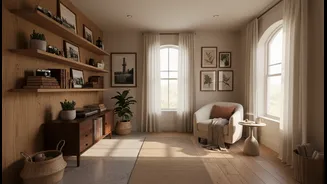
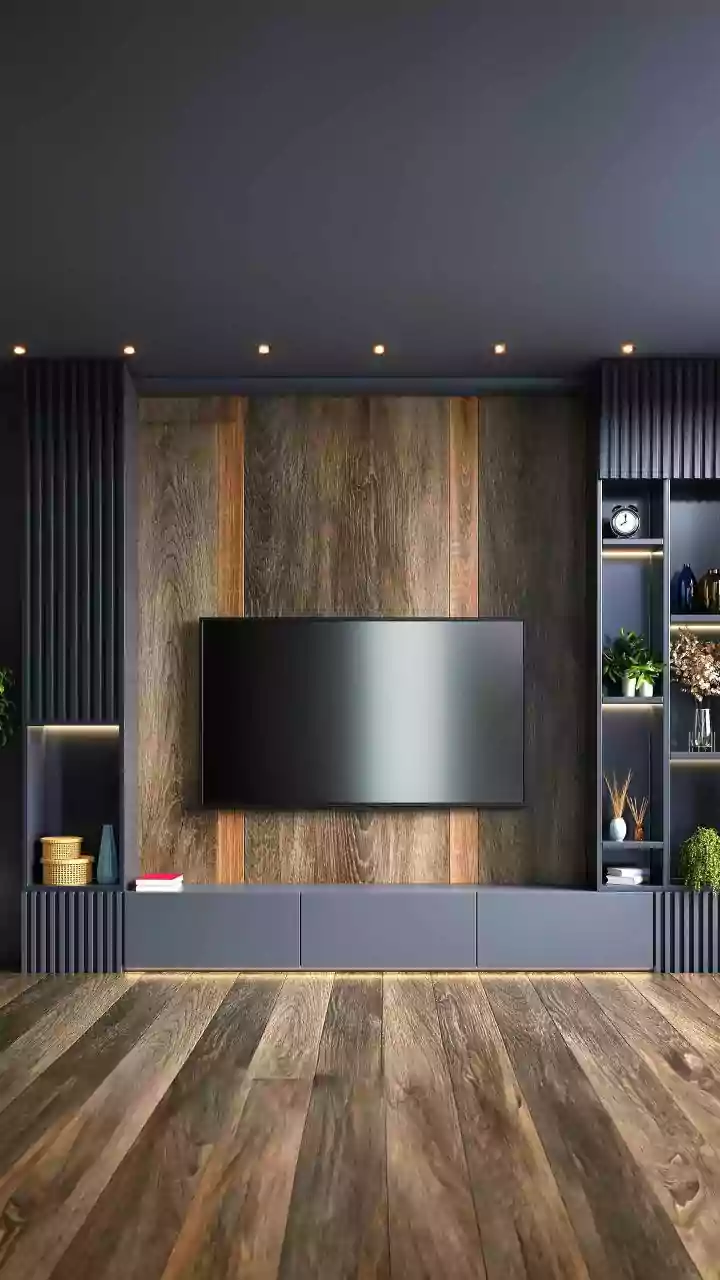
Built-in wardrobes and cabinets promise a seamless, integrated look that maximises every centimetre of space. They can be tailored to fit awkward corners and stretch from floor to ceiling, creating an undeniable sense of order. However, this permanence
is also their biggest flaw. Built-ins are a significant investment, a permanent fixture in your home. They can’t be moved if you rearrange your room, and you can't take them with you if you relocate. More importantly, their rigid structure often locks you into one way of organising, which may not adapt as your needs change over time. This is where a more fluid approach to storage proves its worth.
The Unsung Hero: The Humble Hook
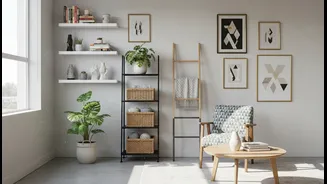
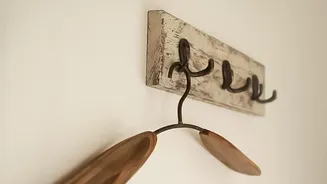
Often overlooked, the hook is one of the most versatile tools in home organisation. Its power lies in its simplicity and ability to utilise vertical space, which often goes ignored. In the entryway, a few hooks can create an instant drop-zone for keys, bags, and coats, preventing clutter from accumulating on surfaces. Inside kitchen cabinets or on their sides, hooks can hold mugs, utensils, and dish towels, freeing up precious counter and drawer space. In the bedroom closet, they are perfect for organising accessories like scarves, belts, and hats. Hooks can even be used to display jewellery or create a vertical garden with hanging plants, turning storage into decor.
Trays: Corralling Clutter with Style
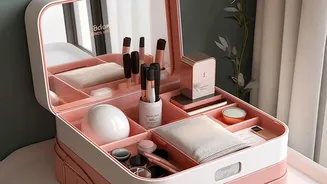
If hooks conquer vertical space, trays master the horizontal. Any flat surface—a coffee table, a nightstand, a bathroom counter—is prone to becoming a collection point for clutter. A decorative tray acts as a visual boundary, grouping items like remote controls, books, and daily essentials into a contained, intentional arrangement. This simple act reduces visual noise and makes a space feel instantly tidier. In the kitchen, a tray can hold oils and spices near the stove. On a desk, it can organise pens and stationery. On a vanity, it can beautifully display perfumes and skincare. Trays transform a random assortment of items into a curated display, adding both function and style.
The Invisible Essential: Airflow
This is the element that truly separates smart storage from mere stuffing. Built-in wardrobes, especially when packed tightly, can have notoriously poor ventilation. Trapped moisture, particularly in humid climates, can lead to musty smells, mould, and mildew, which can damage fabrics like leather and silk. This is why allowing your clothes to 'breathe' is so important. Flexible storage solutions naturally promote better airflow. Spacing items out on hooks or open shelves prevents the dense packing that traps moisture. Unlike the sealed box of a built-in, this method helps preserve the longevity of your belongings, keeping them fresh and free from damage. Even simple acts like leaving a closet door slightly ajar or using moisture-absorbing products can make a significant difference.
A Flexible, Living System
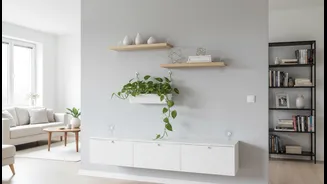
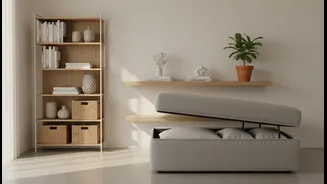
The true advantage of combining hooks, trays, and airflow is the creation of a dynamic and adaptable storage system. While a built-in is a static, one-time decision, this modular approach allows your home to evolve with you. Need a coffee station? Add some under-cabinet hooks for mugs. Tired of your entryway setup? Move the hooks and tray. This method is not only significantly more affordable but also encourages a more mindful interaction with your space and belongings. It’s about creating a home that works for you right now, with the freedom to change as your life does, proving that the best solutions are not always the most expensive or permanent ones.