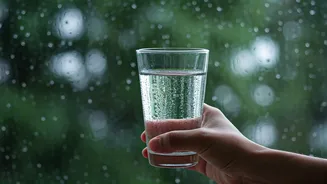









The Humidity Deception: Why You Sweat More But Cool Down Less
On a hot, dry day, your body's cooling system is efficient. You sweat, the perspiration evaporates, and it cools your skin. [7] High humidity, however, throws a wrench in this process. During the monsoon, the air is already saturated with water vapour,
sometimes up to 90% or more. [10] This means your sweat has nowhere to go; it can't evaporate effectively. [3, 6] The result is that sticky, clammy feeling where sweat just drips off you without providing any cooling relief. [6] In response, your body works overtime, producing even more sweat in a futile attempt to lower your core temperature. [3, 10] This leads to significant fluid loss, even if you don't feel as hot or thirsty as you would in the peak of summer. [10]
Don't Wait for Thirst: Spotting Monsoon Dehydration
Thirst isn't a reliable indicator of your body's needs during the monsoon. [14] The cooler temperatures and damp environment can trick your brain's thirst signals. [11] It’s crucial to watch for other, more subtle signs of dehydration. [2] Persistent fatigue, sluggishness, and headaches are common early warnings. [2, 10] When your body lacks sufficient fluids, the flow of blood and oxygen to the brain is affected, which can trigger headaches. [2] Other indicators include a dry mouth, dark yellow urine, muscle cramps, and even dizziness. [18, 19] Ignoring these signs can lead to more severe issues like heat exhaustion. [3]
It's Not Just About Water: The Role of Electrolytes
The constant, inefficient sweating during humid weather drains more than just water from your system. You also lose critical minerals known as electrolytes, such as sodium, potassium, and magnesium. [4, 14] These minerals are vital for nerve function, muscle contractions, and maintaining the body's fluid balance. [10, 24] Drinking plain water alone may not be enough to rehydrate effectively, as it doesn't replace these lost salts. [4] An electrolyte imbalance can lead to fatigue, muscle weakness, and cramps. [14] In severe cases, this imbalance can affect heart function and blood pressure. [20]
Smart Hydration Strategies for the Rainy Season
Staying hydrated during the monsoon requires a proactive approach. The first rule is to drink fluids consistently throughout the day, even when you don't feel thirsty. [12, 14] Aiming for 8 to 10 glasses is a good general guideline, but this can vary based on your activity level. [9] Beyond plain water, incorporate beverages that replenish electrolytes. Coconut water is an excellent natural option, rich in potassium. [2, 9] Traditional Indian drinks like buttermilk (chaas) and lemon water with a pinch of salt are also effective. [12] You can also 'eat' your water by consuming fruits and vegetables with high water content, such as watermelon, cucumber, and oranges. [2, 17]
What to Avoid for Better Hydration
Certain drinks can work against your hydration efforts. While a hot cup of coffee or tea might seem perfect for a rainy day, caffeinated beverages can have a diuretic effect, causing you to lose more fluids. [15] Similarly, alcohol should be consumed in moderation as it is also dehydrating. [9, 15] Sugary sodas and packed fruit juices are also poor choices. They can be high in sugar, which can upset your stomach and interfere with hydration. [21] During monsoon, it's also wise to be cautious about water and food from outside vendors, as the risk of waterborne diseases like gastroenteritis and typhoid, which cause severe fluid loss through diarrhoea and vomiting, increases significantly. [9, 25]