






Why Your Calves Deserve Attention
When you think of desk-related stiffness, your mind probably goes to your back, neck, and shoulders. While those areas are certainly affected, your lower legs are silent sufferers of prolonged sitting. The calf muscles, specifically the gastrocnemius
and soleus, play a crucial role in circulation, acting like a 'second heart' to help pump blood from your lower body back up to your chest. When you sit for hours, this pumping action is diminished, which can lead to feelings of stiffness, fatigue, and even swelling in the ankles. Strengthening these muscles with targeted exercises can improve blood flow, boost ankle stability, and support the health of your Achilles tendon, making them a vital part of any workplace wellness routine.
How to Do a Perfect Calf Raise
The beauty of the calf raise is its simplicity and discretion. You can perform it while standing or sitting, with no equipment necessary. For a standing calf raise, position yourself with your feet hip-width apart, using your desk or a chair for light balance. Slowly push through the balls of your feet to lift your heels as high as you comfortably can, feeling a squeeze in your calf muscles at the top. Hold this position for a moment before slowly lowering your heels back to the floor. The key is controlled movement; avoid bouncing or rushing the motion. A slow, deliberate pace ensures you're engaging the muscles effectively.
Variations for Your Workspace
You can easily adapt calf raises to your specific work environment. If you can't stand, the seated calf raise is an excellent alternative. While sitting tall in your chair with your feet flat on the floor, simply lift your heels off the ground, keeping your toes down. This variation places more emphasis on the deeper soleus muscle. For a greater challenge in the standing version, try performing the exercise on one leg at a time, which also helps improve your balance. If you have access to a small step or even a thick, stable book, you can place the balls of your feet on the edge to allow your heels to drop lower, increasing the range of motion and providing a deeper stretch.
Making It a Daily Habit
The hardest part of any new routine is consistency. The best way to incorporate calf raises is to link them with an existing habit or a recurring part of your day. This is often called 'exercise snacking' or taking 'micro-workout' breaks. Try doing a set of 15-20 calf raises every hour, on the hour. Or, make it a rule to do them every time you get up to grab a glass of water or while waiting for a document to print. You could even perform them during phone calls or while listening in on a virtual meeting. These short, frequent bursts of activity are highly effective at breaking up long periods of inactivity and can improve focus and reduce mental fatigue.
Beyond the Calf Raise
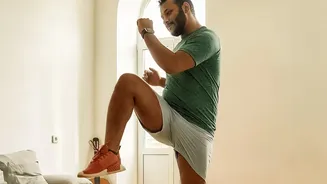
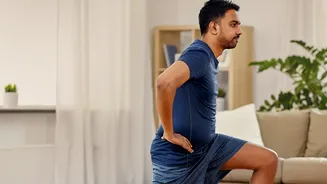
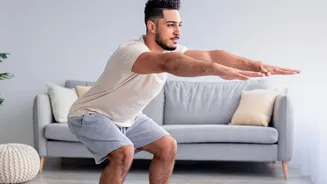
While calf raises are a fantastic starting point, they are just one piece of the puzzle. The headline hints at a broader routine, and for good reason. To fully combat the effects of a desk-bound job, it's beneficial to incorporate movements that target other areas prone to stiffness. Simple desk-friendly exercises can include seated leg extensions to activate your quadriceps, hamstring stretches by straightening your leg under your desk, and gentle torso twists while seated to mobilize your spine. Combining these small movements creates a holistic approach to staying active and feeling better throughout your workday, preventing the aches and pains before they even start.