



Your home is your sanctuary, but an invisible threat could be lurking in the very air you breathe. Stagnant, unmoving air in apartments can trap harmful pollutants, creating invisible hotspots that may affect your long-term health.
The Unseen Intruder: Fine Particulate Matter
The main culprit is
something called fine particulate matter, or PM2.5. These are microscopic particles, less than 2.5 micrometres in diameter, which is about 30 times smaller than a single human hair. Because they are so tiny, they can be inhaled deep into the lungs and even enter the bloodstream. Sources of these particles are everywhere, both outside and inside your home. Outdoor PM2.5 from vehicle exhaust and industrial emissions can easily seep indoors through windows, doors, and tiny cracks. However, a significant portion of indoor PM2.5 is generated by everyday activities. In an Indian household, this includes cooking (especially frying and roasting spices), burning incense or diyas, using mosquito coils, and smoking. Even seemingly harmless actions like dusting or using certain cleaning products can release these particles into the air.
The Science of the Stagnant Air Trap
Think of air pollutants like smoke. If you light a candle in a room with a cross-breeze, the smoke quickly disperses. But in a sealed room with no airflow, the smoke hangs in the air, becoming more concentrated. This is exactly what happens with PM2.5 in apartments with poor ventilation. Without circulating air to move them along and dilute their concentration, these tiny particles remain suspended for long periods. Modern apartments, often designed to be well-sealed for energy efficiency, can inadvertently make this problem worse by limiting natural air exchange. This lack of movement means that pollutants generated in one area tend to stay there, creating highly concentrated zones of poor air quality. The longer the air remains still, the higher your exposure to these harmful particles becomes.
Mapping Your Apartment's Pollution Hotspots
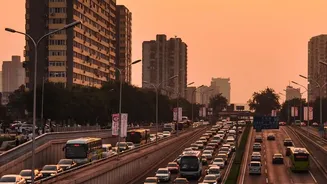
The term 'high-traffic' doesn't just refer to footfalls; it also applies to areas with high pollutant-generating activity. The kitchen is often the primary hotspot. Activities like frying, grilling, and tadka generate significant amounts of PM2.5. Without an effective exhaust fan running, these particles drift into adjacent living and dining areas. The living room, where families gather and may burn candles or incense, is another key zone. Hallways and corridors, which often lack windows or direct ventilation, can become channels where pollutants settle and stagnate. Furthermore, apartments in buildings near busy roads face a double threat, as traffic emissions like nitrogen dioxide and black carbon constantly infiltrate the home, adding to the indoor pollution load.
The Quiet Health Risks of Trapped Pollutants
The health effects of longterm exposure to PM2.5 are welldocumented. In the short term, it can cause irritation of the eyes, nose, and throat, as well as coughing and shortness of breath. For individuals with preexisting respiratory conditions like asthma, even low levels of exposure can trigger symptoms. Over time, chronic exposure is linked to more severe health problems, including an increased risk of cardiovascular disease, reduced lung function, and other chronic respiratory illnesses. Because these particles are invisible and their effects are cumulative, many people may not connect lingering symptoms like headaches or fatigue to the quality of the air inside their own homes.
Simple Strategies to Get the Air Moving
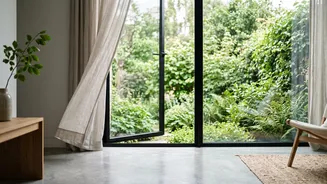
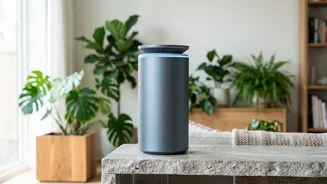
The good news is that you don't need a complete overhaul of your home to combat stagnant air. The most effective strategy is improving ventilation. Start by creating a crossbreeze : open windows on opposite sides of your apartment for 15–20 minutes each day to flush out stale , polluted air . Make it a rule to always use your kitchen 's exhaust fan or chimney when cooking , and keep it running for a few minutes after you 've finished . For rooms without good airflow , a simple pedestal or box fan can work wonders to keep the air circulating and prevent pollutants from settling . If you live in an area with high outdoor pollution , consider investing in an air purifier with a HEPA filter , which is specifically designed to capture fine particulate matter . These simple , consistent habits can dramatically reduce the concentration of trapped pollutants in your home.