




Autumn: Apples and Pears
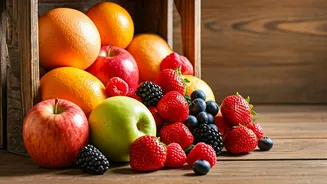
When the air turns crisp, the orchard provides. Apples are more than just a convenient snack; their skin is a fantastic source of quercetin, a flavonoid with antioxidant and anti-inflammatory properties that can help regulate the immune system. They're
also packed with soluble fiber, which is vital for a healthy gut microbiome—a key player in your body's overall defense network. Don't peel them! Much of the nutritional power is in the skin. Pears are another fall favorite that contributes to immune health. Rich in Vitamin C and copper, both of which are essential for immune cell function, pears also offer a healthy dose of fiber. Their gentle, low-acid nature makes them an easy addition to your diet, whether sliced fresh, baked into a dessert, or added to a salad.
Winter: Citrus and Pomegranates
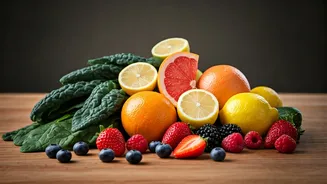
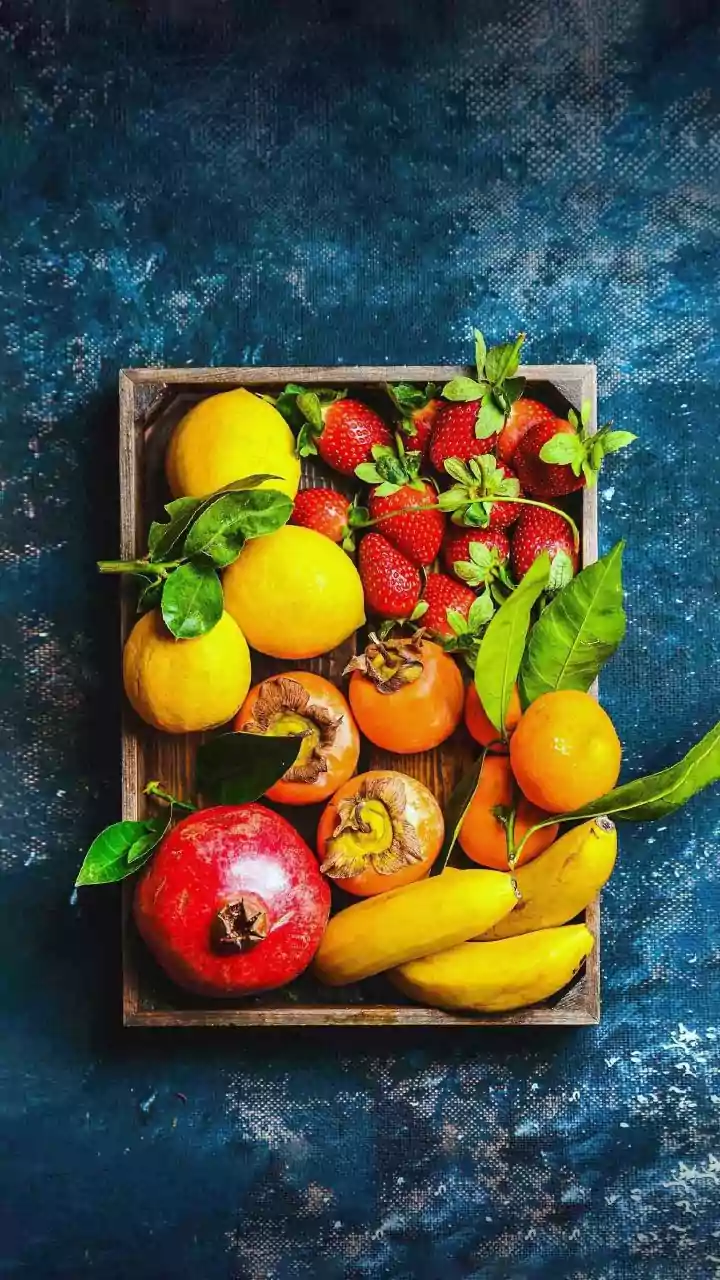
Winter is synonymous with citrus for a reason. Oranges, grapefruits, clementines, and lemons are famously loaded with Vitamin C. This powerhouse vitamin is a cornerstone of immune support, as it encourages the production of white blood cells, which are vital for fighting off infections. Your body doesn't produce or store Vitamin C, so consistent daily intake from foods is essential, especially during the colder months.
Pomegranates add a jewel-toned splash of nutrition to the winter diet. Their seeds, or arils, are packed with potent antioxidants called punicalagins and anthocyanins. These compounds help protect your body's cells from free-radical damage, a form of stress that can weaken the immune system over time. Sprinkle the arils over yogurt, salads, or oatmeal for a tart, flavorful, and functional boost.
Spring: Strawberries and Kiwi
As the world awakens, so do some of the best immune-supporting fruits. Strawberries are a herald of spring and an excellent source of Vitamin C—a single cup provides well over the daily recommended intake. They also contain manganese and a host of powerful antioxidants, including anthocyanins, which give them their vibrant red color. These compounds work together to support your body’s defenses.
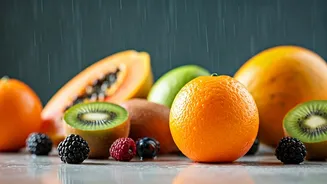
Often overlooked but nutritionally dense, kiwi is another springtime star. Just one kiwi provides a significant amount of Vitamin C. It’s also a good source of other important nutrients like Vitamin K, Vitamin E, and potassium. Research suggests that regularly eating kiwi may help support upper respiratory tract function and reduce the severity of cold symptoms in some individuals.
Summer: Berries and Watermelon
Summer’s bounty is bursting with color and protective nutrients. Blueberries, in particular, are antioxidant royalty. They contain flavonoids called anthocyanins, which have been shown to play a crucial role in the respiratory tract's immune defense system. Raspberries are also nutritional champs, offering an impressive combination of Vitamin C and fiber for a one-two punch of immune and digestive support.
Don’t let its high water content fool you; watermelon is a nutritional heavyweight. Besides being incredibly hydrating—which is important for all cellular functions, including immunity—it's one of the best sources of lycopene. This powerful antioxidant, which gives watermelon its red hue, helps protect cells from damage and has been linked to lower levels of inflammation.