

A New Eye on the Cosmos
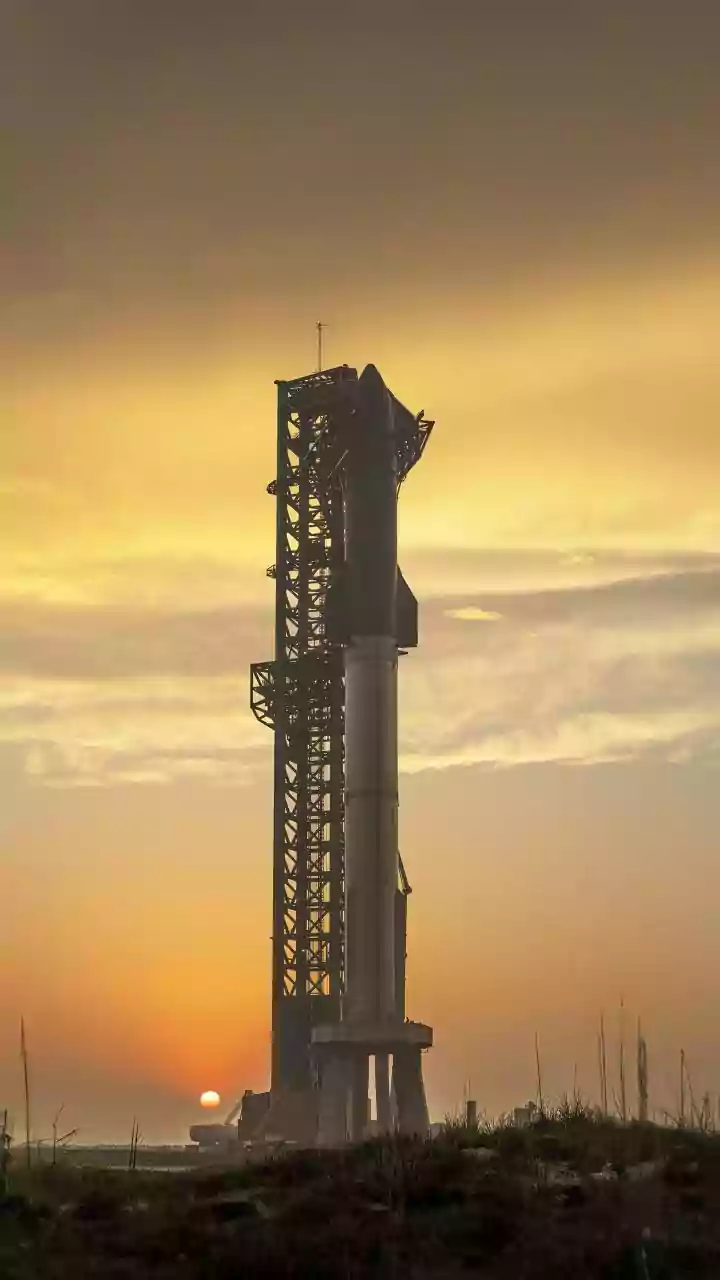
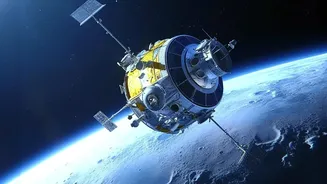
Set to launch on August 30, 2026, aboard a SpaceX Falcon Heavy rocket, the Nancy Grace Roman Space Telescope is NASA's next flagship mission in astrophysics. Named after NASA's first chief of astronomy, Nancy Grace Roman, who was instrumental in the creation
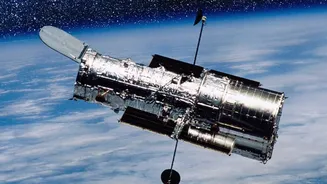
of the Hubble Space Telescope, this new observatory is designed to tackle some of the biggest mysteries in the cosmos. With a 2.4-meter primary mirror, the same size as Hubble's, Roman will operate from a stable orbit 1.5 million kilometers from Earth, a location known as the second Lagrange point (L2), where it will join the James Webb Space Telescope (JWST). Its primary mission is planned for five years, but it could operate for a decade or more, promising a new era of discovery.
Seeing the Bigger Picture
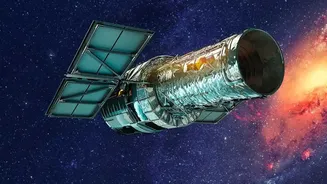
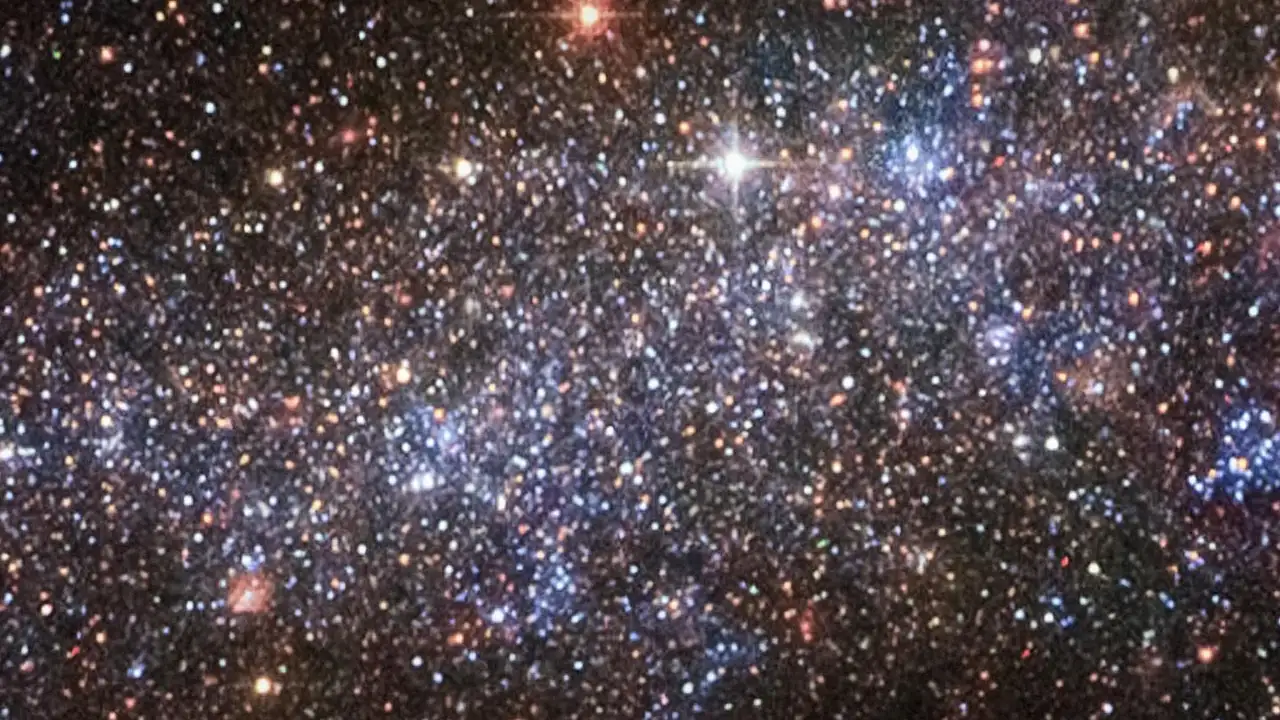
Roman's most game-changing feature is its immense field of view. Its primary camera, the Wide-Field Instrument (WFI), will be able to capture an area of the sky at least 100 times larger than Hubble can in a single snapshot, all while maintaining a similar image sharpness. Imagine trying to view a massive mural by looking through a straw; that's similar to how Hubble sees the sky. Roman, by comparison, is like taking a step back to see the entire wall at once. A single image from Roman will contain the detail of 100 Hubble images. This panoramic capability will allow it to survey huge swaths of the sky with incredible efficiency, creating vast cosmic maps that would take other telescopes centuries to complete.
The Hunt for Cosmic Mysteries
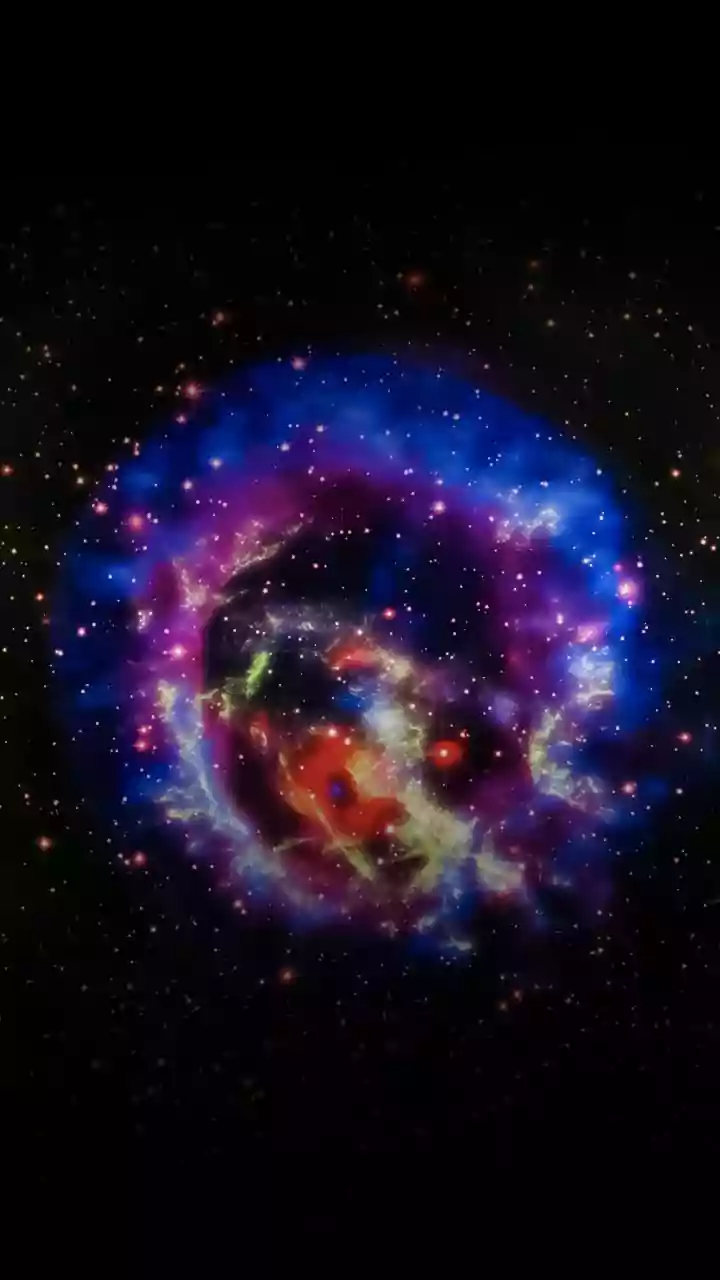
Roman has two primary scientific goals: to understand the enigmatic forces of dark energy and dark matter, and to discover thousands of new exoplanets. Dark energy is the mysterious force thought to be causing the accelerated expansion of the universe. By surveying over a billion galaxies and detecting thousands of supernovae, Roman will map the universe's expansion history in detail, providing crucial data to test theories about this force. At the same time, the telescope will be a planet-hunting machine. It will use a technique called gravitational microlensing, where the gravity of a star or planet bends the light of a more distant star, causing it to brighten temporarily. This method is sensitive enough to find planets ranging from small, rocky worlds to gas giants, and even rogue planets that drift through space without a host star. Scientists anticipate Roman could discover as many as 100,000 new exoplanets.
A Powerful Partner to Hubble and Webb
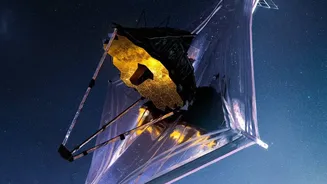
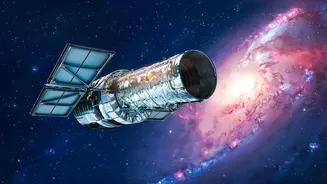
Roman isn't a replacement for telescopes like Hubble or JWST, but a powerful complement. While Hubble and Webb excel at taking deep, detailed close-ups of specific objects, Roman's strength lies in its ability to quickly survey vast areas. Think of Roman as the scout that identifies the most interesting targets across the sky. Then, Webb and other telescopes can follow up for more detailed observations. In addition to its wide-field camera, Roman is also equipped with a technology-demonstrating Coronagraph Instrument. This device is designed to block the blinding glare of a star, allowing the telescope to directly image faint, Jupiter-sized planets orbiting it—a feat that is incredibly difficult with current technology. This will test crucial technologies for future missions aiming to find Earth-like planets.
What Happens Next?
As of mid-2026, the telescope has been fully constructed and has arrived at the Kennedy Space Center in Florida for final launch preparations. After its launch in August, the spacecraft will travel to its orbital position at L2. This will be followed by a commissioning period of about 90 days to test and calibrate its systems. The first science operations are expected to begin at the start of 2027. The vast amounts of data Roman will generate will be made available to astronomers worldwide, promising to answer long-standing questions and, more importantly, to uncover new ones we haven't even thought to ask yet.