



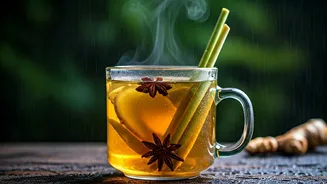




A Tradition Steeped in Comfort
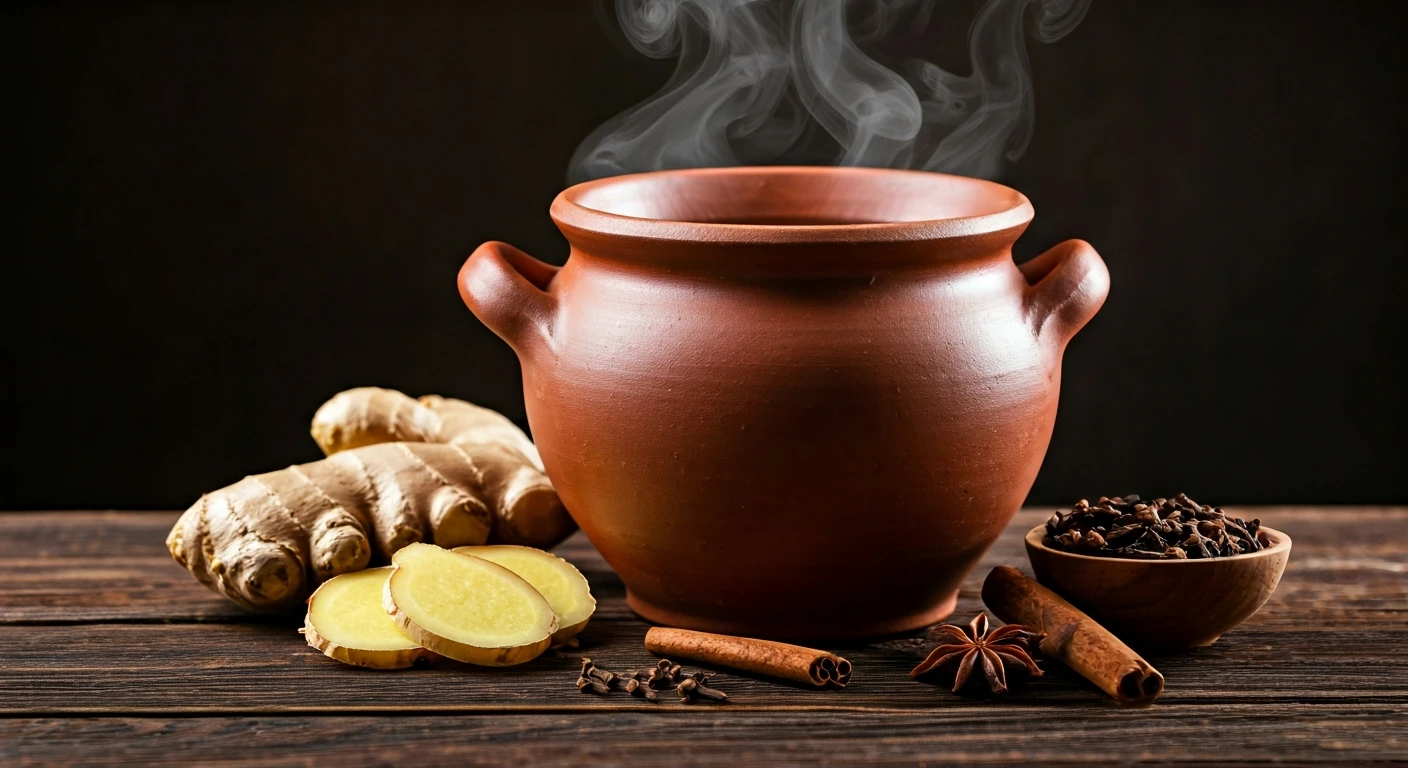
For generations, the bubbling pot of kadha has been a fixture in Indian households, especially during seasonal changes. It’s more than just a home remedy; it’s a ritual of care. The aroma of simmering ginger, cloves, and tulsi evokes a sense of nostalgia
and security, a warm hug in a cup passed down from grandparents and parents. As the rains encourage us to stay indoors, there’s a natural return to these slower, more deliberate practices. Making kadha is an act of taking control of one's well-being, using simple, potent ingredients found in almost every Indian kitchen spice box.
What Exactly Goes Into Kadha?
At its core, kadha is a decoction or herbal tea made by boiling a combination of spices and herbs in water. While recipes vary from family to family and region to region, a few star ingredients form the backbone of this potent brew. The beauty of kadha lies in its flexibility; it can be adapted based on what’s available and what specific ailment you’re trying to soothe. It’s a cornerstone of Ayurvedic home-based wellness, designed to balance the body and boost its natural defences against common infections that thrive in the damp monsoon weather.
The Powerhouse Ingredients
The magic of kadha lies in its synergistic blend of ingredients, each with its own traditionally recognized properties. Ginger (adrak) is revered for its anti-inflammatory and digestive benefits, often used to soothe a sore throat. Black pepper (kali mirch) acts as a bio-enhancer, helping the body absorb the benefits of other ingredients, while also being effective for coughs and colds. Cloves (laung) and cinnamon (dalchini) are not just for aroma; they are packed with antioxidants and have antimicrobial properties. Holy Basil (tulsi) is perhaps the most celebrated of all, considered a sacred herb in Ayurveda for its ability to fight infections and boost immunity. Finally, a dash of honey or jaggery not only adds sweetness but also provides its own soothing qualities.
Modern Science and Ancient Wisdom
While kadha has been a part of Indian tradition for centuries, modern science is now beginning to validate the benefits of its individual components. Numerous studies have confirmed the anti-inflammatory, antibacterial, and antiviral properties of ingredients like turmeric, ginger, and garlic. This convergence of ancient wisdom and modern validation has given kadha a renewed appeal, especially among a younger generation seeking natural and holistic wellness solutions. It’s no longer seen as just an 'old wives' tale' but as a practical, evidence-informed way to support one's health.
A Word of Caution: Balance is Key
Despite its benefits, it’s crucial to approach kadha with a sense of balance. The adage 'too much of a good thing' applies here. Many of the spices used in kadha are 'heating' in nature according to Ayurveda. Overconsumption, especially in large quantities or over extended periods, can potentially lead to issues like acidity, heartburn, or stomach irritation. It’s important to listen to your body. A small cup once or twice a day when you’re feeling under the weather is generally considered safe for most people. However, it’s not a replacement for medical treatment. For persistent symptoms, high fever, or serious illness, consulting a doctor is essential.
A Simple Kadha Recipe to Try
Ready to brew your own cup of wellness? Here’s a basic recipe. Ingredients: - 2 cups of water - 1-inch piece of ginger, grated - 4-5 tulsi leaves - 2-3 cloves - 2 black peppercorns, crushed - A small piece of cinnamon stick - Honey or jaggery to taste Method: 1. In a saucepan, add water and all the ingredients except for the honey/jaggery. 2. Bring the mixture to a boil. 3. Reduce the heat and let it simmer for 10-15 minutes, until the water is reduced to about half. 4. Strain the liquid into a cup. 5. Let it cool slightly before stirring in honey or jaggery to taste. Sip slowly and enjoy the warmth.