



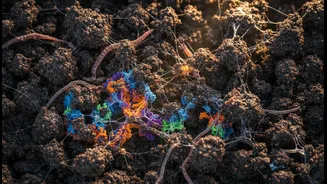


A Hidden World of Helpers
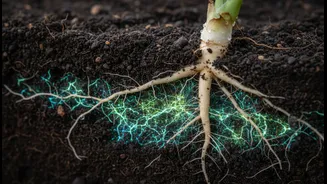
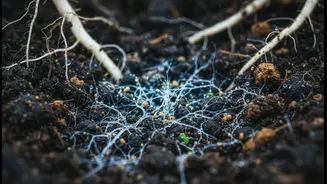
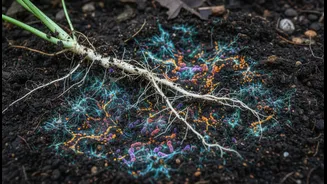
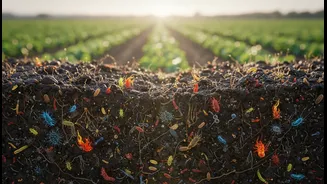
For generations, farming has focused on what happens above the ground. But a scientific revolution is turning our attention to the soil, specifically to the bustling community of microorganisms living around plant roots, known as the rhizosphere. Just
like the human gut relies on a healthy microbiome, plants thrive when they have a supportive cast of bacteria and fungi. These microscopic partners, often called Plant Growth-Promoting Rhizobacteria (PGPR), are not just passive residents; they form a symbiotic partnership with plants, offering a range of benefits that are starting to change how we think about agriculture. This approach, sometimes called probiotic farming, isn't about a single magic bullet, but about fostering a healthy, living soil ecosystem.
How These Microbes Bolster Plants
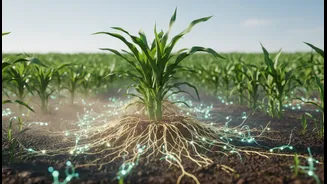
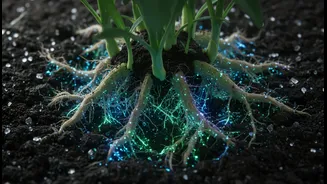
These beneficial microbes help plants in several sophisticated ways. Many act as tiny fertiliser factories, converting atmospheric nitrogen and unlocking soil-bound nutrients like phosphorus, making them available for the plant to absorb. This reduces the need for synthetic fertilisers, which can be costly and environmentally damaging. Others produce plant-growth hormones like auxins, which stimulate deeper and more extensive root systems. A robust root network is critical, especially during a drought, as it allows plants to access water from deeper soil layers. Some bacteria even produce a sticky substance called exopolysaccharide, which helps soil particles clump together, improving water retention around the roots.
Building Resilience to Climate Stress
Perhaps the most exciting potential for these microbes lies in their ability to help crops withstand the stresses of a changing climate, like drought, heat, and salinity. When a plant is water-stressed, it can trigger a cascade of negative effects. Beneficial microbes act as a line of defence. They can trigger the plant's own defence systems, a process known as induced systemic resistance, preparing it to better handle environmental threats. They also help plants manage stress by producing enzymes that break down stress-related compounds and by helping them maintain cellular water balance, which prevents wilting. Studies have shown that plants inoculated with these microbes have a significantly higher survival rate under severe drought conditions compared to their untreated counterparts.
A Natural Form of Pest Control
Beyond boosting resilience to environmental stress, many of these bacteria also act as natural bodyguards, protecting plants from diseases. They can outcompete harmful pathogens for space and resources on the root surface, effectively crowding them out. Some strains of bacteria like Pseudomonas and Trichoderma fungi produce antimicrobial compounds that directly inhibit or kill disease-causing organisms. This form of natural biocontrol offers a promising way to reduce agriculture's reliance on chemical pesticides, which can harm beneficial insects, contaminate water sources, and pose risks to human health.
The Path From Lab to India's Farmland
The science is promising, but translating lab success into widespread field application presents challenges. For these microbial inoculants to be effective, the right strains must be matched to the right crop, soil type, and climate. The bacteria must be able to survive formulation, transport, and then compete with the native microbes already in the soil. For Indian farmers, this technology holds immense promise. With over 30% of India's soils considered degraded and the increasing frequency of droughts, a nature-based solution that improves soil health and water-use efficiency is critical. Initiatives are underway to develop and distribute bio-fertilisers and microbial concoctions, but awareness, cost, and quality control remain significant hurdles to wider adoption.