

As temperatures drop, your hair and scalp can suffer from dryness, itchiness, and frizz. The culprits are cold air and indoor heating, but the solution lies in adjusting your routine to add back much-needed moisture and protection.
Why Winter Wreaks Havoc on Your Hair
Ever wonder why your
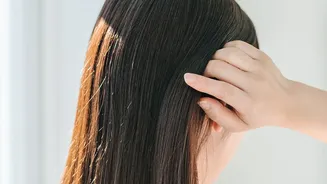
hair feels straw-like and your scalp becomes tight the moment winter arrives? It’s not your imagination. The combination of cold outdoor air and dry indoor heat creates a perfect storm for hair damage. Cold air holds significantly less moisture, which means it actively draws hydration out of your hair strands and scalp. This causes the hair's outer layer, the cuticle, to lift, leading to a rough texture, frizz, and increased breakage. Then, you step inside, and the warm, dry air from heaters continues the dehydration process. This constant shift between cold and warm environments stresses the hair fibre. Furthermore, your scalp naturally produces less sebum (oil) in colder months, leaving it more vulnerable to dryness, flaking, and irritation. Friction from woollen caps and scarves can also roughen up the cuticle, causing more frizz and static.
The Soothing Power of Scalp Oils
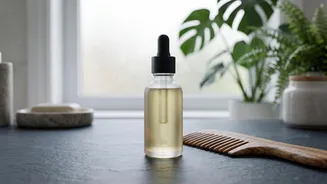
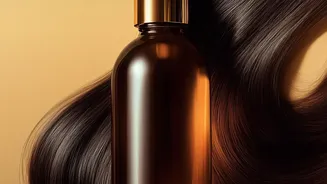
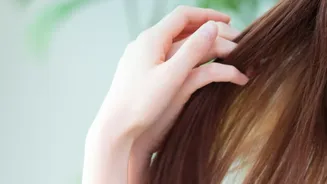
A nourished scalp is the foundation of healthy hair, and this is where scalp oiling, an age-old practice, becomes a winter hero. While conditioners work on the hair strands, oils can provide deep nourishment directly to the scalp, replenishing the natural oils depleted by the cold. Massaging a warm oil into the scalp helps boost blood circulation, which is crucial because cold weather can constrict blood vessels, reducing the flow of nutrients to hair follicles. This improved circulation ensures your hair roots receive the nourishment they need to stay strong, reducing breakage and seasonal shedding. Many oils also have properties that help soothe irritation and prevent the flakes and itchiness associated with a dry winter scalp. Look for nourishing oils like argan, coconut, almond, or jojoba, which are rich in fatty acids and vitamins that protect and hydrate.
How to Use Scalp Oils Effectively
Integrating scalp oiling into your routine is simple. For best results, aim to do it once or twice a week. You can apply the oil as a pre-shampoo treatment to protect your scalp from the drying effects of cleansing. Use your fingertips or a dropper to apply the oil directly to your scalp, parting your hair in sections to ensure even distribution. Gently massage the oil in for a few minutes to stimulate circulation. Let it sit for at least 30 minutes, or even overnight for a more intensive treatment, before washing it out with a mild, sulphate-free shampoo. Always use lukewarm water, as hot water can strip away the beneficial oils you just applied and further dry out your scalp and hair.
The Hydration Hero: Hair Masks
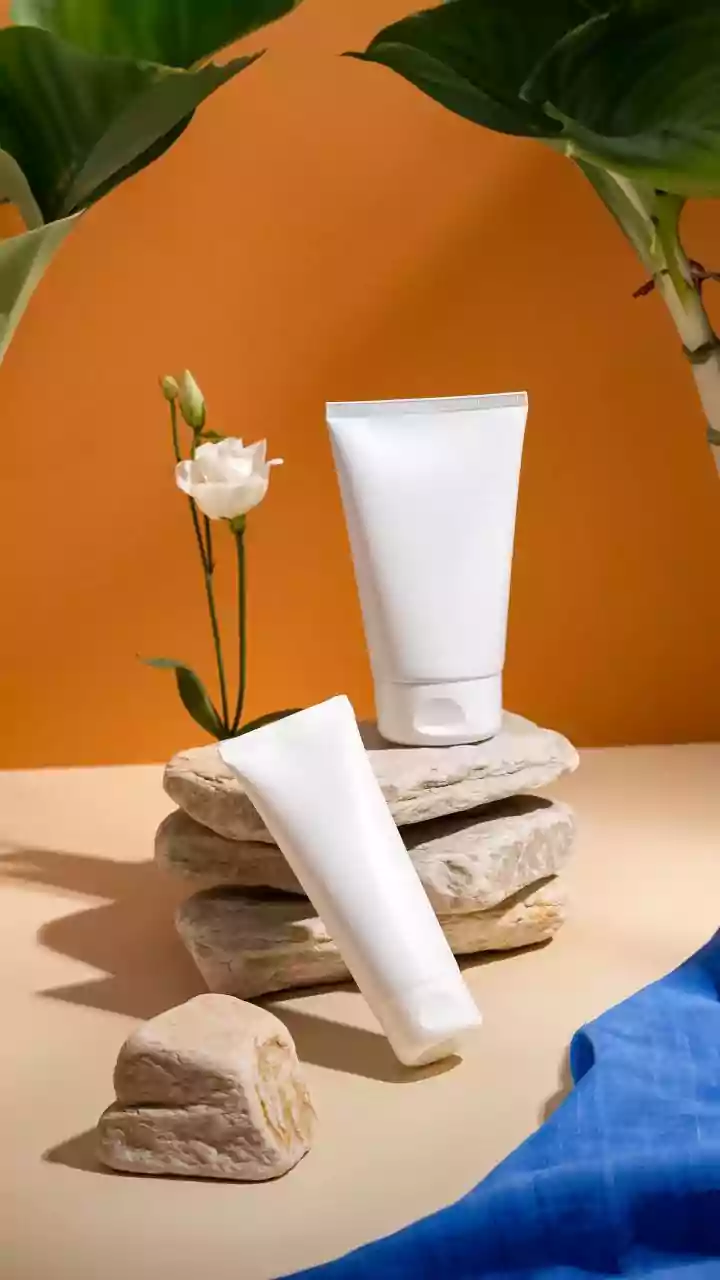
While scalp oils focus on the roots, hydrating hair masks are designed to rescue your strands. Think of a hair mask as a super-powered conditioner. These treatments are formulated with a higher concentration of nourishing ingredients like botanical oils, butters, proteins, and hyaluronic acid. Unlike a regular conditioner that provides surface-level softness, a mask penetrates deeper into the hair shaft to replenish lost moisture from within. This intensive hydration helps to smooth the roughened cuticle, which in turn reduces frizz, restores shine, and improves elasticity. By fortifying the hair shaft and creating a protective moisture barrier, weekly mask usage makes your hair more resilient against breakage and split ends.
Choosing and Using the Right Mask
The key to a successful mask treatment is choosing a formula suited to your hair type. If you have thick or curly hair, which is naturally prone to dryness, look for richer than creamier masks. For fine hair, opt for a lightweight hydrating formula that won’t weigh your strands down. Read the label for ingredients that target your main concern, such as keratin for repair, biotin for volume, or hyaluronic acid for pure moisture. Typically,, you should apply a hair mask to clean,, damp hair after shampooing,, focusing on the mid–lengths and ends where hair is the oldest and driest.. Leave it on for the recommended time—usually 5 to 20 minutes—before rinsing thoroughly.. For an extra dose of repair,, use it once a week as your go–to deep conditioning treatment.