

A Sensory Escape from the City
The primary reason Mumbai drivers flock to the Western Ghats post-monsoon is simple: it’s a complete sensory reset. The period from September to November offers a perfect balance. The fierce rains have subsided, reducing the risk of landslides, but the landscape
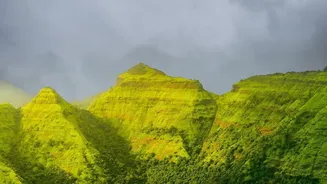
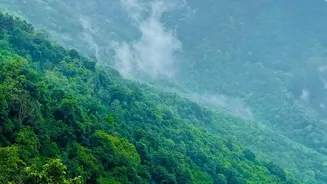
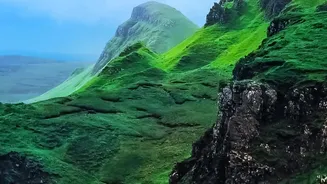
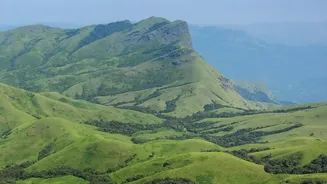
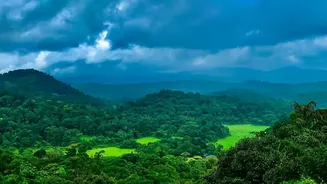
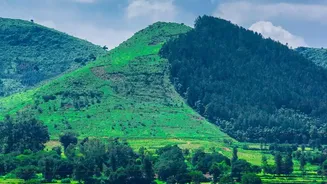
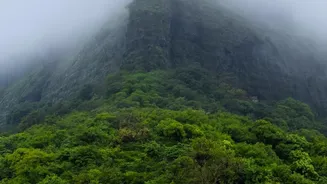
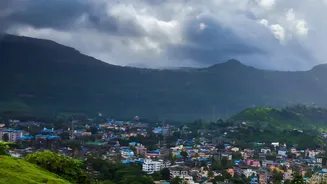
retains the monsoon’s incredible gift. The hills are draped in a vibrant, almost fluorescent green, a stark contrast to the city's concrete. The air, free from urban pollution, smells of wet earth and fresh vegetation. For drivers, it’s not just about the destination but the journey itself. Winding roads that were once treacherous are now simply thrilling, with clouds often drifting across the tarmac and seasonal waterfalls still trickling down rock faces. This immersive experience—cool breezes, panoramic views, and the sheer beauty of a rejuvenated ecosystem—is the perfect antidote to the urban grind.
The Classic Run: Lonavala and Khandala
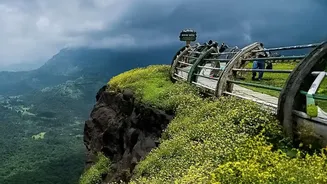
The easiest and most popular choice for a quick refresh is the twin hill station route to Lonavala and Khandala. Just a two-hour drive via the Mumbai-Pune Expressway, it offers the quickest payoff. Post-monsoon, the area is still misty and magical. Viewpoints like Tiger Point and Lion’s Point offer dramatic, cloud-filled valley views. While the infamous crowds at Bhushi Dam may have thinned, the dam's steps are still impressive. For those seeking a bit more adventure, the trails to Rajmachi Fort are less slippery than in peak monsoon, offering a rewarding trek with historical ruins and stunning vistas. The drive itself, especially on the old highway, is dotted with vendors selling roasted corn-on-the-cob (bhutta) and hot tea, turning the drive into a cherished culinary ritual. It’s the quintessential Mumbai getaway for a reason: it’s accessible, familiar, and reliably beautiful.
The Driver's Delight: Malshej Ghat
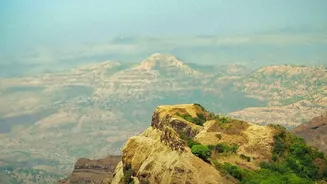
For those willing to drive a bit further (around 3-4 hours), Malshej Ghat offers a more dramatic and immersive experience. This mountain pass is famous for its winding roads flanked by steep valleys and towering cliffs. During the post-monsoon period, the ghat is renowned for its hundreds of waterfalls. Many of these cascade right beside the road, creating a surreal drive through curtains of water and mist. The Pimpalgaon Joga Dam, a massive reservoir nearby, becomes a serene spot for photography, sometimes even attracting migratory birds like flamingos later in the season. Unlike the more developed hill stations, Malshej is more about the raw, untamed beauty of the drive itself. It’s a route chosen by those who love the act of driving as much as the destination, offering a sense of adventure and a powerful connection with nature.
The Serene Retreat: Igatpuri and Bhandardara
Heading north on the Mumbai-Nashik highway leads to Igatpuri, a destination known for its rolling hills and tranquil atmosphere. The post-monsoon season here is perfect for visiting attractions like the Bhatsa River Valley viewpoint and the Vihigaon (Ashoka) Waterfall without the peak-season rush. For the more adventurous, Igatpuri serves as a base for treks to some of the highest peaks in the Sahyadris, like Kalsubai. A little further afield lies Bhandardara, an offbeat gem. It’s home to the historic Wilson Dam, the serene Arthur Lake, and the impressive Randha Falls, which are still powerful after the rains. This route is chosen by drivers seeking peace and quiet over commercial buzz. The roads are scenic, passing through small villages and offering a glimpse into a slower way of life, making it a truly refreshing escape.