





The Dream vs. The Dangerous Reality
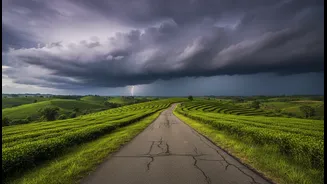
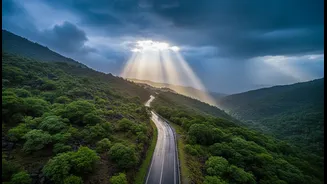
India’s monsoon transforms the country into a vibrant, rain-washed paradise, making it a tempting time for travellers seeking dramatic scenery and fewer crowds. Social media feeds fill with images of clouds descending upon valleys in the Western Ghats
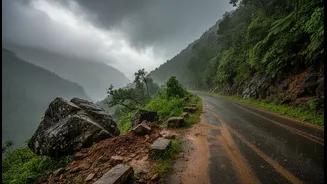
and waterfalls thundering down in Cherrapunji. However, this beauty comes with inherent risks. Recent events serve as a stark reminder of the monsoon's power. In early July 2026, extremely heavy rainfall led to fatalities and widespread disruption across Maharashtra, with popular tourist spots like Lonavala receiving over 600mm of rain in a single day, triggering landslides and floods that stranded residents and tourists. Similar incidents, including landslides in Kerala's Wayanad district and flash flood risks in Himachal Pradesh, highlight a crucial truth: ignoring weather warnings can have severe consequences.
Decoding IMD's Colour-Coded Warnings
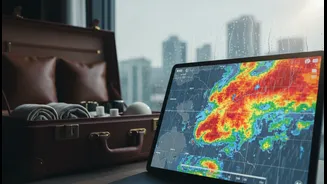
The India Meteorological Department (IMD) is the principal agency for weather forecasting and issues colour-coded alerts to warn the public about the severity of upcoming weather events. Understanding these is non-negotiable for any monsoon traveller. The system is designed to be simple and universal. A 'Green' alert means all is well. A 'Yellow' alert advises you to 'Be Aware', as conditions could worsen and cause disruptions. An 'Orange' or 'Amber' alert means 'Be Prepared' for extremely bad weather that could disrupt transport and power. The most critical is a 'Red' alert, which means 'Take Action'. This indicates a significant risk to life and property from events like extremely heavy rainfall, and travel should be avoided. These alerts are your most reliable guide to making safe decisions.
Smart Planning for a Safe Monsoon Trip
A successful monsoon trip is a well-prepared one. Start by choosing your destination wisely; some regions are far more prone to landslides and flooding than others. Destinations in the Deccan Plateau or parts of Rajasthan often receive less rainfall and can be safer bets. Before and during your trip, continuously check the IMD's forecasts for your chosen location. Build flexibility into your itinerary. Heavy rain can cause flight, train, or road delays, so having buffer days is essential. Avoid overly packed schedules and consider accommodations with flexible cancellation policies. When travelling by road, drive slowly, maintain a safe distance, and never attempt to cross flooded roads where the water's depth is unknown.
Your Essential Monsoon Packing List
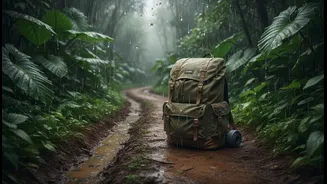
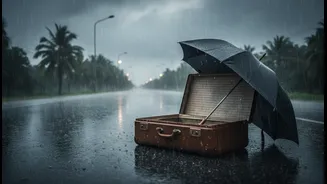
Packing correctly can make the difference between a comfortable trip and a miserable one. Prioritise waterproof and quick-drying items. Avoid heavy fabrics like jeans that take a long time to dry. Instead, opt for lightweight synthetic clothing. A sturdy umbrella and a reliable raincoat are indispensable. Footwear is critical; choose waterproof shoes or sandals with excellent grip to prevent slipping on wet, mossy surfaces. Protect your valuables by using waterproof bags or zip-lock pouches for electronics like phones, cameras, and power banks. It's also wise to carry a basic first-aid kit, insect repellent to guard against mosquito-borne illnesses, and any personal medications you might need.
Health and Hygiene on the Go
The monsoon season sees a higher risk of waterborne diseases. To stay healthy, avoid drinking tap water and stick to sealed bottled water. Be cautious with street food, especially items that may have been washed with contaminated water or have been sitting out. Opt for freshly prepared, hot meals from clean, reputable establishments. Maintaining good hygiene is one of the most effective ways to prevent stomach infections that could ruin your trip. Staying as dry as possible is also important; change out of wet clothes and shoes promptly to avoid fungal skin infections.