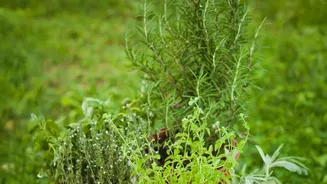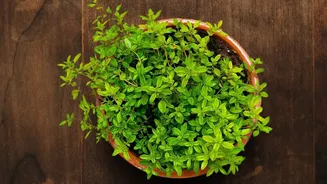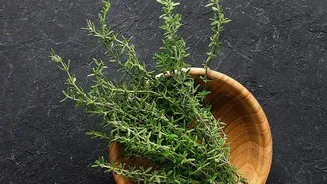





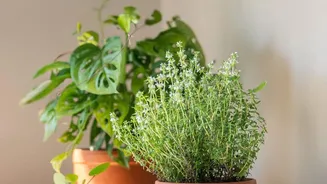
That fragrant, woody aroma of fresh thyme is a delight in any kitchen, but getting it to thrive indoors can be frustrating. More often than not, the culprit isn't neglect, but rather too much care in the form of water.
Why Damp Soil Is Thyme's Number One Enemy
Thyme is a Mediterranean herb, meaning
it is naturally adapted to dry, sun-baked conditions. Its roots are designed to seek out moisture in gritty, well-draining soil, not to sit in constant dampness. When the soil in a pot stays wet, the roots are deprived of oxygen and begin to suffocate. This creates the perfect environment for root rot, a fungal disease that is the most common reason indoor thyme plants die. The signs of overwatering can be confusingly similar to underwatering—leaves may turn yellow or brown, and the plant might wilt. However, if the soil is damp and the plant doesn't perk up after a few hours, root rot is the likely problem, and adding more water will only make it worse.
The Perfect Pot and Soil Combination
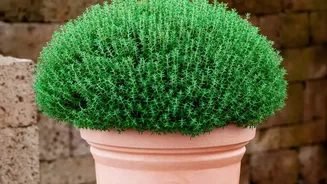
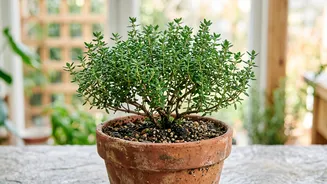
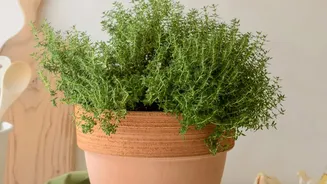
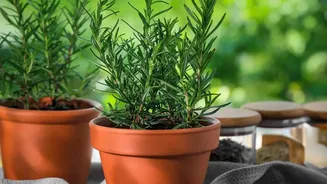
Success starts with the right setup. Thyme despises 'wet feet', so your choice of pot and soil is critical. Opt for a terracotta or clay pot, as the porous material helps wick excess moisture away from the soil, allowing it to dry out more evenly. Most importantly, ensure the pot has at least one large drainage hole at the bottom. Standard potting soil is often too dense and retains too much water for thyme. You need to create a grittier, fast-draining mix. You can achieve this by amending a regular potting mix with coarse sand, perlite, or small gravel. A good ratio to aim for is about one part perlite or sand to two parts potting soil. This ensures water flows through quickly, preventing the soil from becoming a soggy mess.
Mastering the Art of Watering
When it comes to watering thyme, less is truly more. The golden rule is to allow the soil to dry out completely between waterings. Don't water on a fixed schedule. Instead, check the soil by inserting your finger about an inch or two deep; if it feels dry at your fingertip, it's time to water. When you do water, do it thoroughly until you see water running out of the drainage hole. This encourages deep root growth. After watering, be sure to empty any excess water from the saucer beneath the pot. Letting the pot sit in standing water is a guaranteed way to invite root rot.
Don't Forget the Sun
While damp soil is a primary cause of failure, lack of sunlight is a close second. Thyme is a sun-worshipping plant and needs at least six hours of bright, direct sunlight each day to thrive and produce the essential oils that give it its wonderful flavour and aroma. An indoor spot near a south-facing window is ideal. If your plant's stems start to look long and 'leggy' with sparse leaves, it's a clear sign that it is stretching to find more light. If you don't have a sunny enough spot, consider supplementing with an LED grow light for 12 to 14 hours a day.
Pruning for Health and Bushiness
Regular pruning is not just for harvesting; it's essential for maintaining a healthy, productive thyme plant. Trimming your thyme encourages it to grow bushier rather than tall and woody. Don't be afraid to give it a haircut every few weeks during its growing season. You can trim off the top two to three inches of growth. This not only provides you with fresh herbs for your cooking but also stimulates the plant to produce new, tender leaves. Avoid cutting back more than one third of the plant at once, and reduce pruning during the slower growth of winter months.