




Why Your Desk Deserves a Plant
Before we dive into the 'how', let's talk about the 'why'. Adding a plant to your desk is more than just a decorative choice. Studies have shown that the presence of indoor plants can help reduce stress and anxiety, creating a calmer atmosphere. They
have also been linked to boosts in productivity and focus, which is ideal for a workspace. Beyond the mental benefits, plants are natural air purifiers, absorbing carbon dioxide and other common indoor pollutants. Plus, the simple act of caring for something green can be a rewarding micro-break during a long day of work or study. They can even help absorb background noise, making your space feel a little more peaceful.
Meet the Pothos: The Forgiving Vine
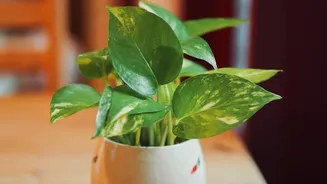
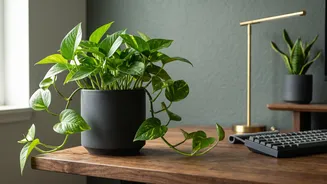
The pothos (Epipremnum aureum), often called Devil's Ivy, is famous for its heart-shaped leaves and trailing vines that can gracefully drape over the edge of your desk or a nearby shelf. It's a champion of beginners because it’s incredibly communicative and resilient. Its versatility and ability to thrive in various conditions make it an office and home staple. If you want a plant that adds a touch of lush, cascading greenery without demanding constant attention, the pothos is your perfect match.
Pothos Care Made Simple
Caring for a pothos is refreshingly straightforward. For light, it’s highly adaptable. While it prefers bright, indirect sunlight, it can easily tolerate the lower light conditions typical of a desk that isn't right next to a window. Just avoid direct, harsh sun, which can scorch its leaves. The biggest mistake with pothos is overwatering. A simple rule is to water it only when the top one to two inches of soil feel dry to the touch, which is usually every 1-2 weeks. Water thoroughly until it drains from the bottom of the pot, then discard any excess water in the saucer. Drooping leaves often mean it's thirsty, while yellowing leaves usually signal you're being too generous with the water can.
Meet the Snake Plant: The Sculptural Survivor
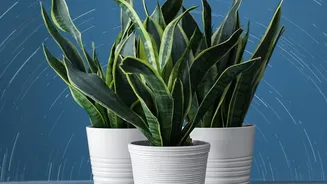
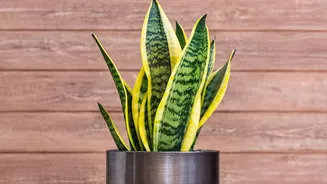
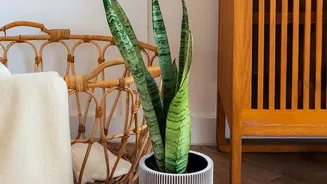
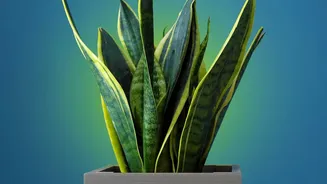
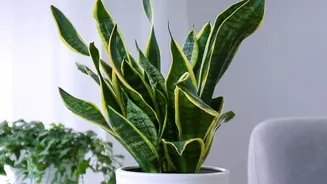
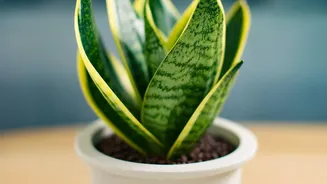
The snake plant (Dracaena trifasciata), also known as mother-in-law's tongue, is the definition of indestructible. With its stiff, upright, sword-like leaves, it adds a modern, architectural element to any space. Because it grows vertically, it’s perfect for tight corners on a cluttered desk. This plant is renowned for its ability to survive on neglect, making it a dream for busy people or those convinced they have a 'black thumb'. It’s also an air-purifying powerhouse that, unlike most plants, releases oxygen at night, making it an excellent bedroom companion.
Snake Plant Care: Less is More
The key to a happy snake plant is to largely forget about it. It thrives in almost any light condition, from bright, indirect light to very low light, making it perfect for dim corners of a room. The single most important rule is to avoid overwatering, which is the fastest way to cause problems like root rot. Let the soil dry out completely between waterings. This could mean watering as infrequently as every 2-6 weeks, depending on your room's conditions. A good test is to stick your finger deep into the soil; if you feel any moisture, wait longer. This plant would much rather be too dry than too wet. It requires no special humidity and is happy in average room temperatures.
Quick Troubleshooting for Both
Even these hardy plants can have an off day. Here are the most common issues and their simple fixes. Yellow Leaves: This is the most frequent problem and almost always points to overwatering for both plants. Cut back on your watering schedule and ensure the pot has good drainage. Brown, Crispy Leaf Tips: This usually indicates underwatering or very dry air. While these plants tolerate dryness, they don’t want to be bone-dry forever. Leggy Growth: If your pothos has long, bare stems between leaves, it's stretching for more light. Try moving it to a slightly brighter spot. Pests: Pests like mealybugs or spider mites are uncommon but can happen. If you see tiny webs or white cottony spots, wipe the leaves with a damp cloth to remove them.