





The Problem: Urban Heat Islands
If you've ever felt a wave of heat radiating from the pavement long after sunset, you've experienced the urban heat island effect. Cities are full of dark surfaces like asphalt roads and conventional roofs that absorb huge amounts of sunlight. These materials
soak up solar energy all day and release it slowly at night, keeping urban areas significantly warmer than their rural surroundings. In a country like India, with densely populated cities and increasing heatwaves, this trapped heat exacerbates health risks, drives up energy demand for air conditioning, and reduces overall quality of life.
How Cool Pavements Work
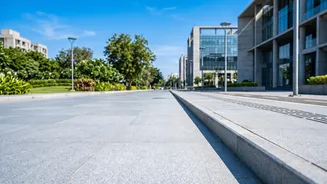
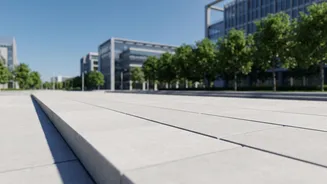
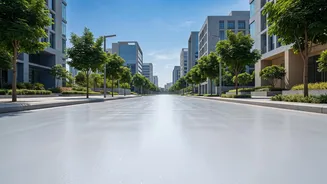
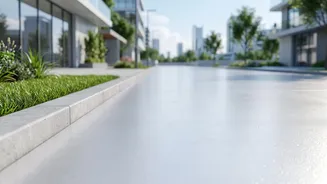
Cool pavements are the opposite of heat-absorbing black asphalt. They use special coatings that are lighter in colour and contain reflective materials, such as titanium dioxide. The principle is simple: instead of absorbing 80-95% of sunlight like traditional asphalt, these coatings reflect a much larger portion of it back towards the sky. This increased solar reflectance, or 'albedo', means the pavement surface doesn't get nearly as hot. The technology can be applied as a coating over existing roads, making it a potentially rapid way to retrofit urban infrastructure.
How Much Cooler Can They Get?
The data from pilot projects, primarily in US cities like Phoenix and Los Angeles, is promising. Studies have consistently shown that cool pavements can be significantly cooler than traditional asphalt. During the hottest parts of the day, surface temperatures on treated roads have been measured to be 10-12°F (about 5.5-6.7°C) lower. This also helps the pavement cool down faster after sunset. Some studies have even recorded reductions in ambient air temperature, though these are typically more modest, in the range of 2.1 to 3.5°F (about 1.2 to 1.9°C) during extreme heat events. While the surface cooling is definite, the impact on the air temperature people feel is still being studied.
The Downsides and Challenges
Cool pavements are not a perfect solution. One significant issue is glare; lighter surfaces can reflect intense sunlight, which can be uncomfortable for drivers and pedestrians. More importantly, some studies have found that while the pavement itself is cooler, the reflected radiation can actually make pedestrians feel hotter. The effectiveness of the coatings also diminishes over time as they get dirty from traffic and pollution, requiring regular maintenance and reapplication. Finally, the upfront cost is higher than conventional sealants, and their long-term durability is still being evaluated.
Potential for Indian Cities
For Indian cities like Mumbai, Delhi, and Chennai that are grappling with extreme urban heat, passive cooling solutions are essential. While there haven't been large-scale cool pavement rollouts yet, the concept is part of a broader conversation about making our cities more resilient. Organizations are exploring 'cool corridors' that combine reflective surfaces with green spaces, shade from trees and buildings, and better ventilation. Research bodies like IIT Jodhpur are also developing next-generation road materials that are both sustainable and durable, using waste products to create better infrastructure. This suggests a growing focus on holistic solutions rather than relying on a single technology.