


The Human Frontier: Gaganyaan
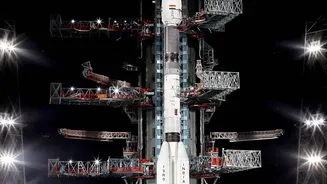
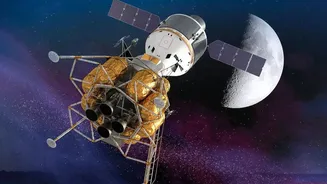
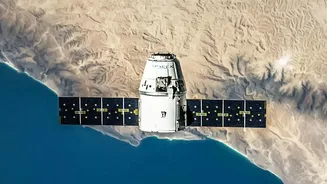
The next giant leap for India's space programme is the Gaganyaan mission, which aims to send Indian astronauts into a 400 km orbit for a three-day mission and bring them back safely. This is arguably one of ISRO's most complex endeavours, requiring a host
of new technologies. A human-rated launch vehicle, advanced life support systems, and crew emergency escape provisions are all being developed to ensure the safety and success of the mission. Several precursor missions are underway to test these critical systems. The first uncrewed flight, G1, is expected in the third quarter of 2026 and will validate the performance of the crew module and its life support systems. Successful qualification tests on the crew module have already been completed as of July 2026, clearing major hurdles for the mission. Once successful, Gaganyaan will make India the fourth nation in the world to independently send humans to space, a monumental achievement that signifies a new level of technological maturity.
Exploring Our Planetary Neighbours
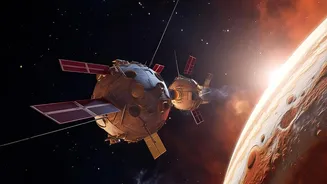
Building on the success of its Mars Orbiter Mission (Mangalyaan), ISRO is setting its sights on both Venus and Mars again. The Shukrayaan-1 mission, India's first to Venus, is slated for a 2028 launch. This orbiter will study the planet's notoriously dense atmosphere, composed of carbon dioxide and sulfuric acid clouds, and map its surface. By understanding Venus, often called Earth's 'twin' due to its similar size, scientists hope to gain insights into runaway greenhouse effects, which could inform climate models here on Earth. Meanwhile, plans are also firming up for Mangalyaan-2, a follow-up mission to Mars. This ambitious project may include not just an orbiter but also a lander, rover, and even a helicopter. The mission will carry more advanced instruments to study the Martian atmosphere, surface, and geology in greater detail than its predecessor. These interplanetary missions demonstrate India's growing confidence and capability in deep-space exploration.
A Home in Orbit: The Bharatiya Antariksha Station
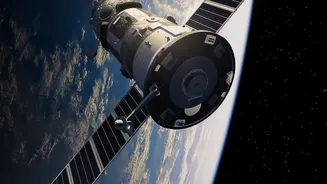
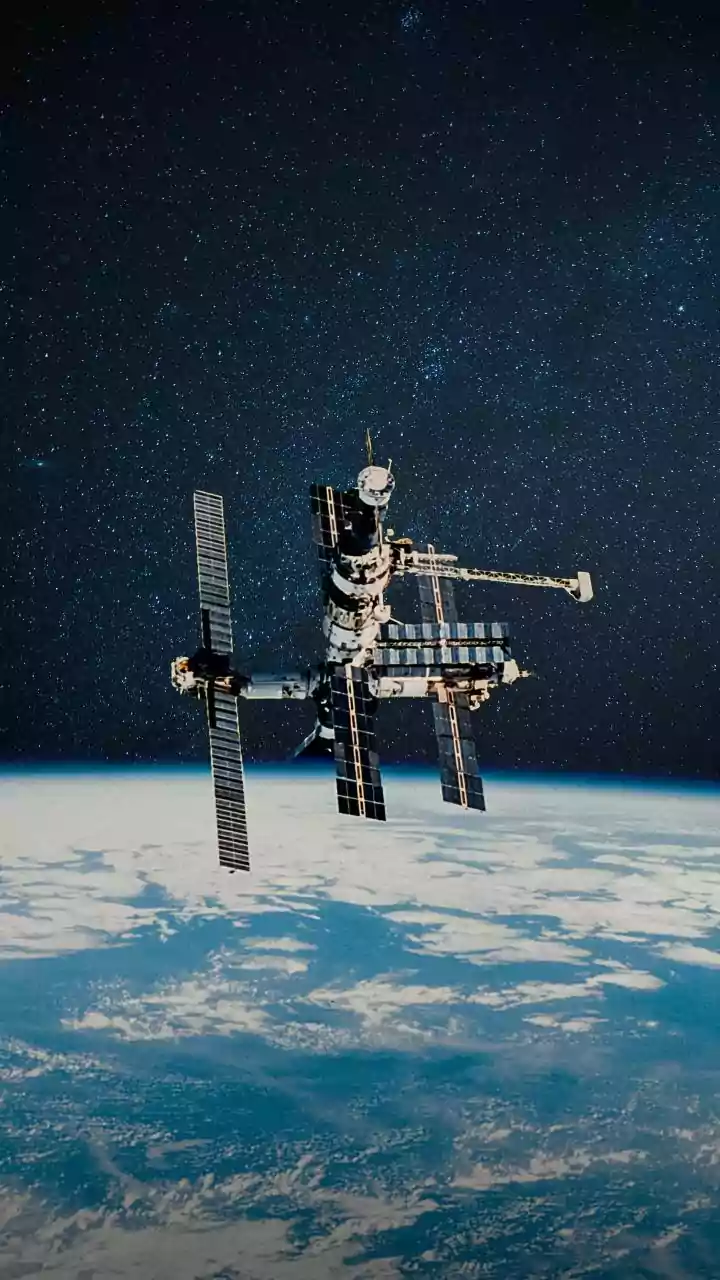
Looking further ahead, ISRO has an even bolder vision: a home for Indian astronauts in space. The Bharatiya Antariksha Station (BAS) is India's planned modular space station, expected to be fully operational by 2035. The project will be developed in phases, with the first module scheduled for launch in 2028. This station will orbit at an altitude of about 400-450 kilometres and will serve as a laboratory in space. It will allow for long-duration human space missions of three to six months, enabling cutting-edge research in microgravity that is impossible on Earth. Fields like materials science, biotechnology, and medicine stand to benefit immensely. Building and operating a space station is a massive technological undertaking that would place India in an elite club of nations, signifying a sustained, long-term presence in space.
Making Space Access Sustainable and Affordable
Underpinning all these ambitious missions is a strategic focus on sustainability and cost-effectiveness. A key part of this strategy is the Reusable Launch Vehicle (RLV) program. ISRO has been successfully testing its technology demonstrator, named 'Pushpak'. This winged vehicle is designed to fly into space, deploy a payload, and then land back on a runway like an aircraft, allowing it to be reused for future missions. The successful landing experiments are a crucial step towards developing a fully reusable two-stage orbital launch vehicle. Mastering this technology would dramatically lower the cost of launching satellites and missions, making space access more routine and affordable. This, combined with a growing private space ecosystem enabled by recent reforms, is creating a powerful engine for innovation and solidifying India's position as a major, and competitive, player in the global space economy.