





The Crown of Thorns
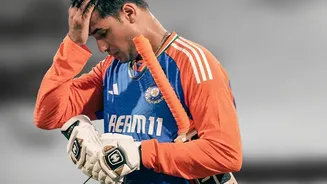
Being captain of a cricket team, especially in India, is more than just a role; it's a national obsession. The leader is not just a tactician but a diplomat, a media spokesperson, and the public face of a billion hopes and dreams. For some, this pressure
is a crushing weight. The most cited example is Sachin Tendulkar. Arguably the greatest batsman of his generation, his two stints as captain were fraught with difficulty. Team losses felt like personal failures, and he admitted the burden affected him so deeply he couldn't switch off from the game. In his autobiography, Tendulkar revealed how a string of close losses left him "badly scarred" and responsible for the team's "miserable performances." This illustrates a key reason for failure: the emotional toll of carrying a team and a nation, which can overwhelm even the most mentally tough superstar.
The Genius vs. The Manager
Exceptional personal talent does not automatically translate into effective leadership. Great players often see the game with a clarity others can't match, and this can lead to frustration. Kiran More, a former Indian cricketer, suggested that Tendulkar expected his teammates to perform at the same superhuman level he did, an unrealistic expectation that led to friction. A superstar's focus is singular: perform your role to perfection. A captain's focus, however, is plural: manage eleven different personalities, skill sets, and egos. This shift from individual execution to collective management is a chasm many fail to cross. They may lead by example, but captaincy requires a different skill: the ability to inspire, cajole, and strategically deploy players who don't possess your genius. As former all-rounder Ian Botham, who had a winless tenure as England captain, later admitted, he struggled with the people-management side of the job.
Dilution of Personal Focus
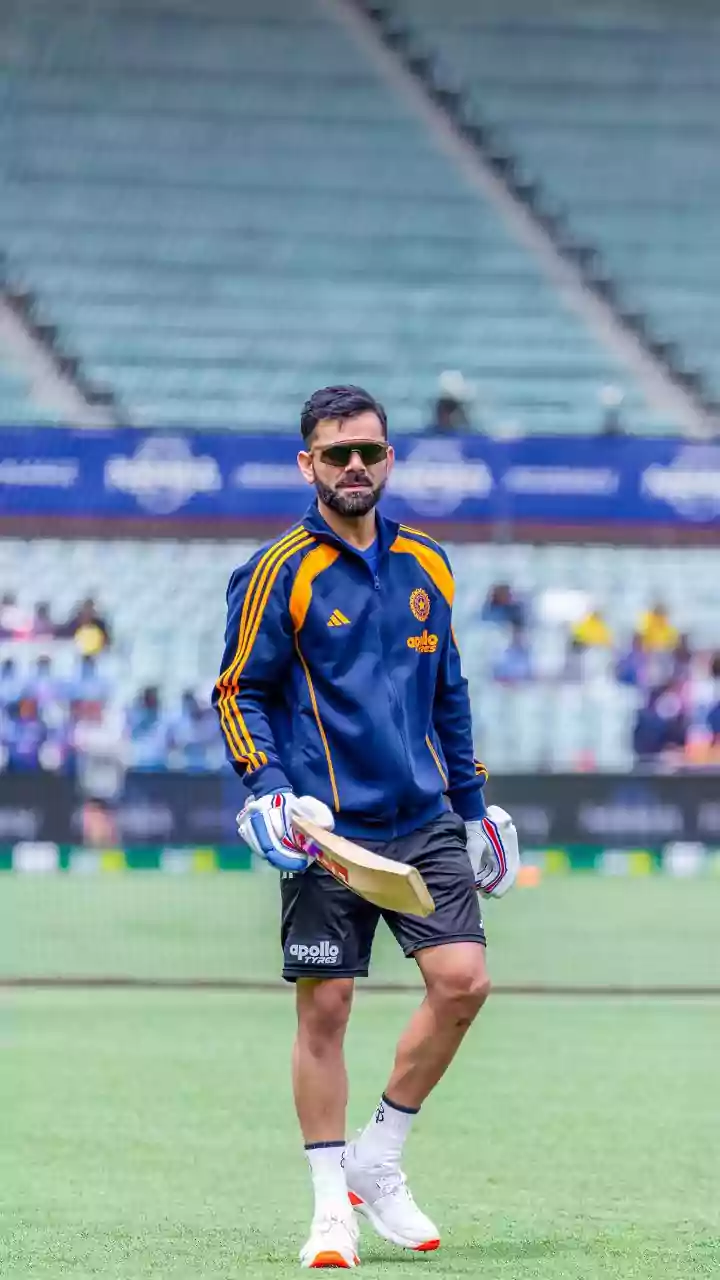
The sheer workload of modern captaincy is immense. A captain is involved in selection meetings, extensive media duties, and constant tactical planning, on and off the field. This leaves significantly less mental and physical energy for their own primary skill—be it batting or bowling. England's Andrew Flintoff, an explosive all-rounder, saw his own performances suffer during his time as captain, which included a disastrous Ashes tour. He later admitted, "I did not know what to do." The mental bandwidth once dedicated to perfecting his own game was now consumed by a thousand other worries. Virat Kohli's case is more complex; while he was a statistically successful captain with incredible batting records, he has spoken about the immense mental toll it took and how his focus was rarely on his own emotional well-being. For many, the constant need to think for everyone else erodes the selfish focus required to remain at the peak of their individual powers.
The Weight of Team Composition
A captain is often only as good as his team. During Tendulkar's captaincy in the late 1990s, the Indian team was seen as heavily reliant on him and lacked the overall depth of later squads. He often had to lead on challenging overseas tours with a team that wasn't as strong as the opposition. Furthermore, disagreements with selectors over player choices can undermine a captain's authority and strategy. If a captain doesn't get the players they believe are right for the job, they are forced to work with tools they didn't choose, making success incredibly difficult. This was a point raised in analyses of Tendulkar's captaincy, where it was felt he didn't always get the team he wanted from the selectors.
Not a Universal Rule
Of course, this is not an ironclad rule. For every superstar who has faltered, there is one who has thrived. Ricky Ponting, Graeme Smith, and MS Dhoni were all star players who became legendary captains. Their success often came from a specific set of psychological traits beyond their cricketing ability: emotional intelligence, composure under fire, and an innate understanding of man-management. Dhoni, known as 'Captain Cool', was celebrated for his calmness and his ability to empower younger players. Virat Kohli, despite the pressures, led India to a golden era in Test cricket and holds the record for the most Test wins as an Indian captain. These examples show that while being a superstar can create unique pressures, it can also provide the authority and respect needed to build a world-beating team, provided the player also possesses the distinct, and separate, skills of a leader.