




The Pressure Mounts
When a long-haired wicketkeeper-batsman from Ranchi debuted for India in December 2004, there was a buzz of anticipation. MS Dhoni had earned his spot through powerful hitting in domestic cricket. However, his start in international cricket was far from ideal.
He was run out for a duck on his very first ball against Bangladesh. The rest of the series was quiet, and after his first four ODIs, his scores were a dismal 0, 12, 7*, and 3. For a player trying to secure a permanent spot, the pressure was immense. The selectors' patience was wearing thin, and the upcoming home series against arch-rivals Pakistan in 2005 felt like a final audition.
A Gamble at Number Three
The stage was set on April 5, 2005, in Visakhapatnam for the second ODI. Captain Sourav Ganguly, known for backing young talent, made a decision that would alter the course of Indian cricket. After India lost the iconic Sachin Tendulkar early in the innings, the crowd expected a senior batsman like Ganguly or Rahul Dravid to walk in. Instead, to everyone's surprise, Dhoni was promoted to bat at number three, a position typically reserved for the team's best batsmen. Ganguly later revealed he saw Dhoni's immense potential and believed he needed more overs to showcase his talent, a move inspired by how Tendulkar himself became a great by batting higher up the order. It was a monumental gamble on a player who was just five matches into his career.
The Vizag Onslaught
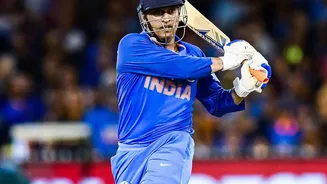
What followed was not just an innings, but a statement. Dhoni unleashed a torrent of raw power and unorthodox strokeplay that left the Pakistani bowlers stunned. He respected no reputations, dispatching the ball to all corners of the ground with ferocious intensity. The innings was a blur of 15 powerful fours and four massive sixes, as he raced to a maiden international century. By the time he was dismissed, he had scored a spectacular 148 runs off just 123 balls. This brutal assault not only set India on course for a massive total of 356 and a comfortable 58-run victory but also announced the arrival of a new kind of Indian cricketer: fearless, audacious, and utterly dominant.
From Newcomer to National Hero
The impact of that one innings was immediate and transformative. Overnight, MS Dhoni went from a player on the brink of being dropped to a national sensation and the new poster boy of Indian cricket. The knock in Vizag, a city he has often called his favourite, secured his place in the team indefinitely. It gave him the confidence to play his natural, aggressive game without fear of failure. That innings proved to the team management and the nation that his power-hitting wasn't just a domestic phenomenon; it was a match-winning weapon on the international stage. He had arrived, and Indian cricket would never be the same.
The Dhoni Era Begins
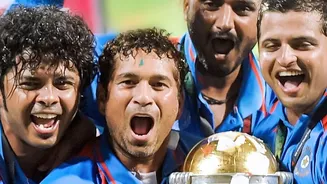
That century was the bedrock upon which the legacy of MS Dhoni was built. It was the foundation for his evolution into one of the greatest finishers the game has ever seen, a calm and calculating captain, and a cricketing icon. It unlocked the self-belief that would later see him lead India to victories in the T20 World Cup (2007), the 50-over World Cup (2011), and the Champions Trophy (2013). While his career is filled with more celebrated knocks, including the World Cup final-winning six, it was the raw, untamed brilliance displayed on that hot afternoon in Visakhapatnam that made everything else possible. It was the day a wicketkeeper-batsman from a small town truly began his journey to becoming a legend.