
The New Traditional Aesthetic
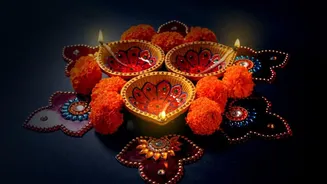
The essence of Navratri decor remains rooted in vibrant colours, spirituality, and a welcoming spirit. Traditional elements like marigold garlands, earthen diyas, intricate rangoli, and auspicious symbols are as important as ever. However, the 2026 approach
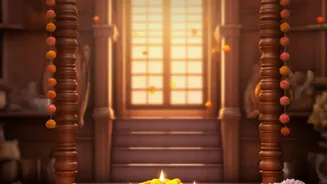
is about thoughtful curation rather than overwhelming density. The modern home, often dealing with space constraints and busy schedules, is embracing a 'less is more' philosophy. The trend leans towards creating distinct, high-impact focal points—a beautifully decorated mandir, a stunning entrance, or a festive corner—instead of attempting to adorn every surface. This allows the beauty of each traditional element to shine without creating clutter.
Smart Lighting: Glow Without the Hassle
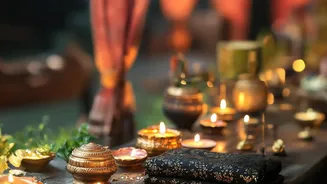
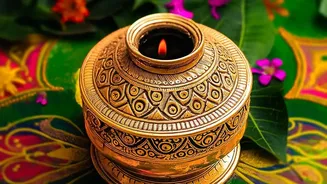
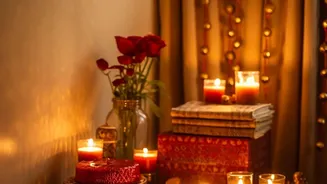
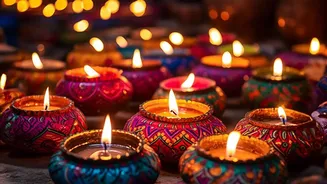
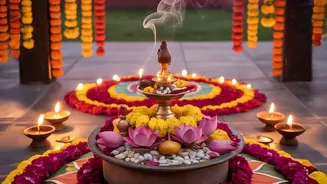
Lighting is fundamental to the festival's 'victory of light over dark' theme. While traditional oil diyas hold immense significance, especially in the pooja area, their modern counterparts are making life easier. The trend is to blend the two. Use classic clay diyas for the mandir and aarti, but supplement the home's overall glow with energy-efficient LED fairy lights. These can be wrapped around pillars, draped on curtains, or even placed inside glass jars for a contemporary lantern effect. For a completely flameless option, water-safe electric diyas floating in an urli bowl create a mesmerizing and safe centrepiece. Solar-powered lanterns are also gaining popularity for balconies and windows, offering a sustainable glow.
Effortless Rangoli and Floor Art
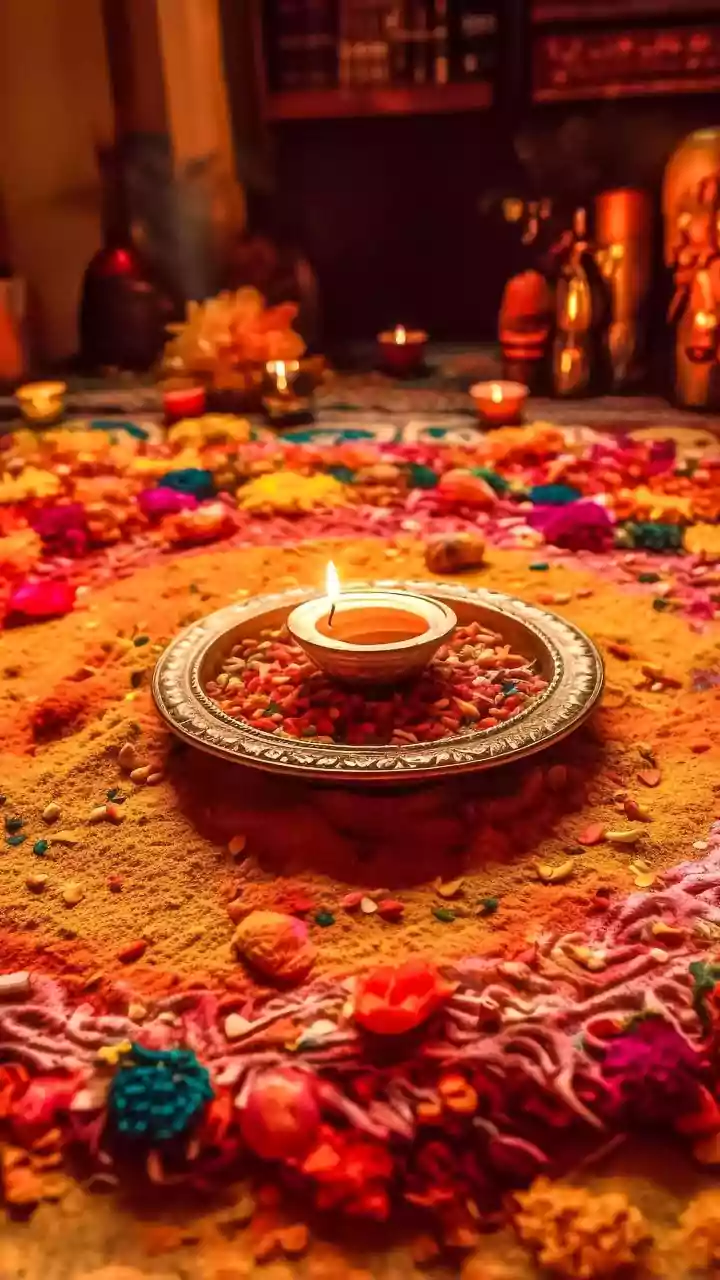
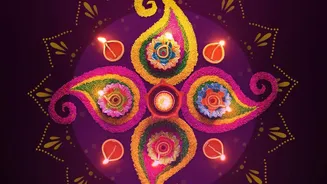
A rangoli at the entrance is a symbol of welcome and good fortune. While creating one from scratch with coloured powders or flower petals is a cherished tradition, it’s not always practical for a nine-day festival. The manageable alternative comes in the form of rangoli stencils, which guarantee a perfect design every time. For an even quicker solution, high-quality rangoli stickers or decals provide the visual appeal without any of the mess. Another modern twist is creating 'interactive' rangolis by integrating elements like LED lights within the pattern. For those who still love the tactile experience, using flower petals is a beautiful, though less permanent, option that's easy to clean up.
Fabric and Flora: Quick Transformations
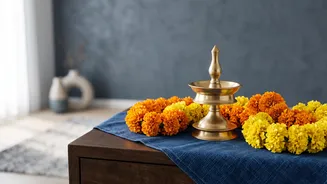
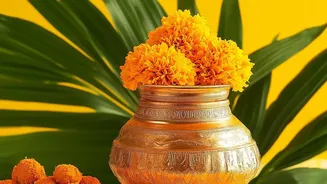
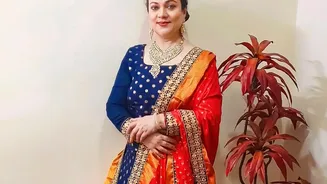
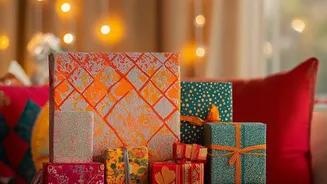
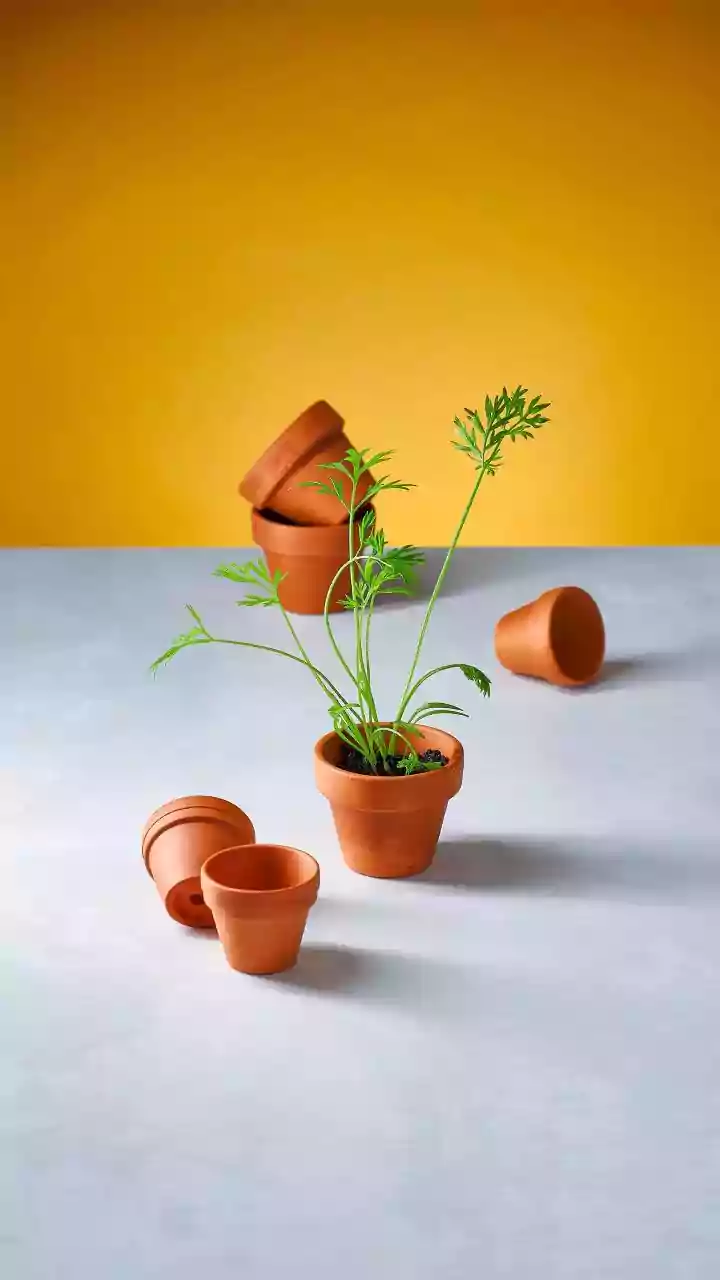
One of the easiest ways to infuse a festive spirit is by using textiles. Swapping out everyday cushion covers, curtains, and table runners for versions in bold, festive colours like saffron, red, and yellow can instantly transform a room. Many are also repurposing old sarees and colourful dupattas as backdrops for their mandir, as door drapes, or as decorative throws. When it comes to flowers, traditional marigold torans (door hangings) are a must. For a more manageable approach, high-quality faux floral arrangements and garlands provide a long-lasting, mess-free alternative that can be reused each year. Potted plants adorned with a few flowers or lights also add a touch of sustainable, living greenery to the decor.
Sustainable and Personal Touches
A significant trend for Navratri 2026 is a move towards sustainability. This involves choosing decor that is either reusable or biodegradable. This means opting for brass lamps over disposable ones, using natural materials like clay, jute, and bamboo, and repurposing items you already own. Decorating earthen pots, creating DIY torans from paper or fabric scraps, and using natural items like mango leaves and coconut shells are all part of this mindful approach. More than anything, the modern approach encourages personalization. Incorporating family heirlooms, handmade crafts, and items that hold sentimental value makes the decor unique and meaningful, creating a space that truly reflects your family's celebration.