


How Self-Watering Planters Work
A self-watering planter isn't magic; it's a sub-irrigation system that relies on a simple, brilliant mechanism. At the bottom of the planter is a water reservoir. A wicking system, which can be a soil-filled column or a fabric cord, connects the water in the reservoir to the potting
mix above. Through a process called capillary action, moisture is drawn upward from the reservoir into the soil as the plant uses it and the soil begins to dry. This allows the plant to take up water on demand, providing a consistent level of moisture directly to the roots without saturating the top layer of soil. The key is that the plant controls the water uptake, which in theory prevents both over- and underwatering.
One Size Does Not Fit All
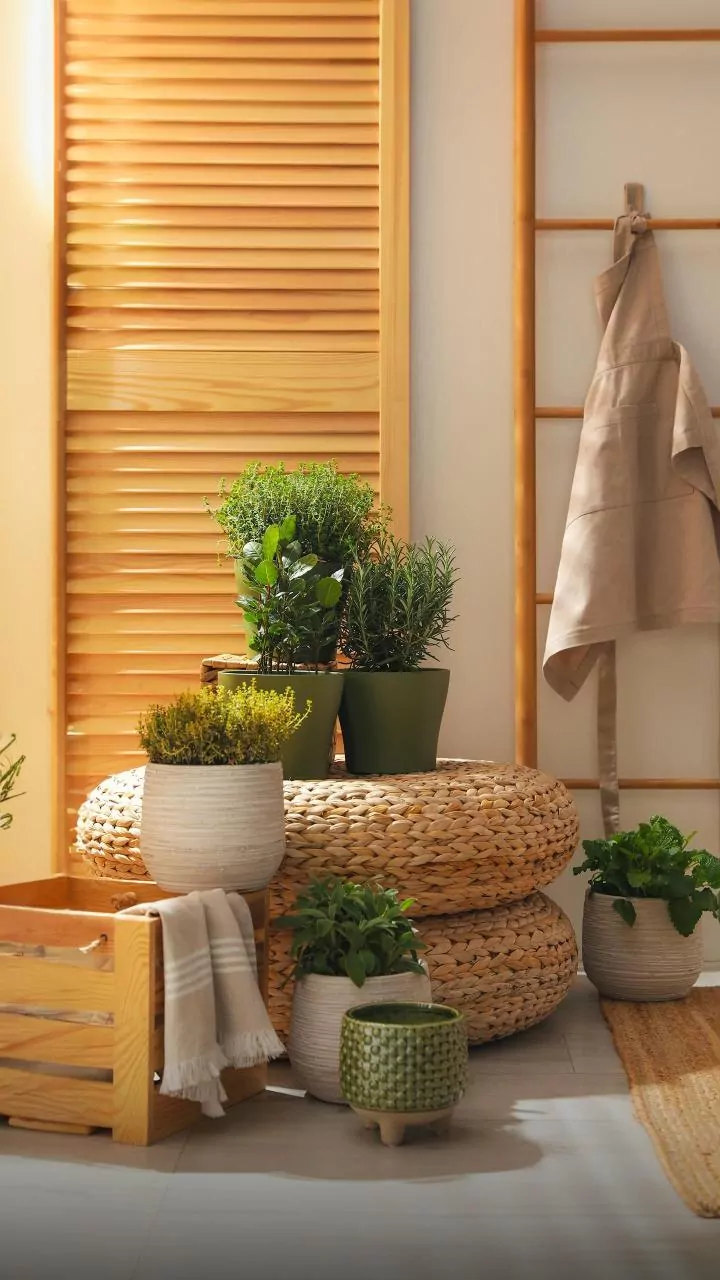
The most common mistake is treating the reservoir as a one-size-fits-all solution. Not all plants have the same thirst. Grouping plants into general categories can help you manage their water needs more effectively. Moisture-loving plants like ferns, peace lilies, and many tropicals thrive with consistent moisture and are excellent candidates for these systems. On the other hand, drought-tolerant plants such as succulents, cacti, and some Mediterranean herbs like rosemary prefer their soil to dry out completely between waterings. Keeping the reservoir constantly full for a succulent is a fast track to root rot. For these plants, it is better to let the reservoir remain empty for extended periods, treating it as a backup for when you do a deep watering, rather than a constant source.
The Right Soil is Crucial
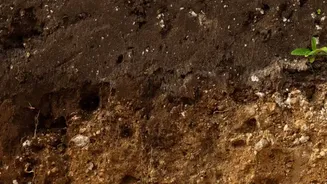
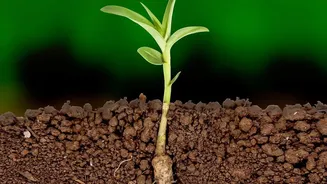
The performance of a self-watering planter is heavily dependent on the potting medium you use. Heavy, dense garden soil or topsoil will compact, become waterlogged, and fail to wick moisture upwards, effectively suffocating the roots. You need a light, airy, and well-draining potting mix specifically designed for containers. Look for mixes that contain peat moss or coco coir for moisture retention, blended with plenty of perlite or vermiculite to create air pockets and facilitate wicking. This structure ensures that water can move up via capillary action while still allowing oxygen to reach the plant's roots, which is essential for preventing rot.
Adjusting for Season and Environment
A plant's water needs are not static; they change based on its environment and the time of year. A plant in a bright, warm, south-facing window in the summer will transpire and use water much more quickly than the same plant in a cooler, darker spot during the winter. Therefore, your reservoir-filling strategy must adapt. In summer, you may need to fill the reservoir more frequently. In winter, when many houseplants are dormant or growing slowly, you should reduce watering significantly. It's often best to let the reservoir dry out completely and stay empty for a week or more between fillings to avoid waterlogging the dormant roots.
Mastering the 'Fill and Forget' Method
The term 'self-watering' is a bit of a misnomer; 'sub-irrigated' is more accurate. It does not mean you can fill it and forget it indefinitely. The correct method is to monitor the plant and the soil. When first potting a plant, you should water from the top for a couple of weeks to encourage the roots to grow down towards the water source and to establish the wicking connection. Afterward, only fill the reservoir when needed. A good rule of thumb for moisture-loving plants is to refill the reservoir when it's nearly empty. For plants that prefer to dry out, let the reservoir stay empty for several days or even a week before refilling. Never overfill the reservoir past the designated 'max fill' line, as this can eliminate the critical air gap between the water and the soil, leading to root rot.