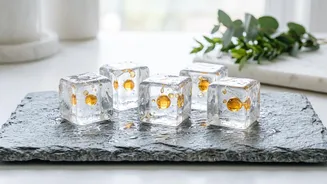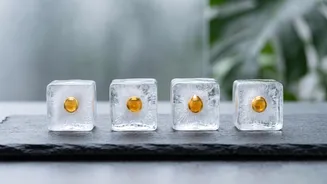






The Trend: What Are Retinol Ice Cubes?
Social media is buzzing with a seemingly brilliant skincare shortcut: retinol ice cubes. The method involves mixing a retinol serum or 'natural' ingredients rich in Vitamin A—like cucumber and potato juice—with water or aloe vera, freezing the mixture
in a tray, and then rubbing the frozen cube directly onto the face. Proponents claim this combines the anti-ageing power of retinol with the de-puffing, pore-tightening benefits of skin icing, promising a flawless, glowing complexion with minimal effort. The allure is undeniable: a simple, affordable, at-home treatment that claims to do it all.
The Allure: Why Skin Icing Is So Popular
Applying cold to the skin, often called 'cryotherapy' or 'skin icing', is a technique with some recognized temporary benefits. When you apply ice to your face, it causes blood vessels to constrict. This can help reduce puffiness, especially under the eyes, and temporarily calm inflammation and redness. Many people feel it gives their skin a firmer, more awake appearance and can make pores look smaller for a short time. Given these immediate, visible effects, it's easy to see why people would believe that adding a potent active ingredient like retinol could only enhance the results.
The Reality: Retinol's Delicate Nature
Retinol is a dermatologist-favourite for a reason. As a derivative of vitamin A, it's proven to accelerate skin cell turnover, stimulate collagen production, and improve the appearance of fine lines, wrinkles, and hyperpigmentation. However, it is also a notoriously unstable ingredient. High-quality retinol products are formulated by cosmetic chemists in sterile labs to ensure the molecule remains stable and effective. They are packaged in opaque, air-tight containers because exposure to light, air, and extreme temperatures can cause them to degrade and lose potency. Most professionally formulated skincare products are designed to be stored at room temperature, and exposing them to freezing temperatures can ruin the formula, causing ingredients to separate or become less effective.
The Problem: Why Freezing Doesn't Work
While some sources suggest refrigeration can extend the life of a retinoid, freezing it—especially in a DIY water-based mixture—is a different story. Freezing can destabilize the complex formula of a retinol serum, potentially rendering the active ingredient useless. Furthermore, when you mix a professionally formulated serum with water and freeze it, you dilute the product and disrupt the preservative system that keeps it free from bacteria. DIY concoctions made at home are not created in a sterile environment, opening the door for bacteria and fungi to grow in your ice cubes, which you then rub all over your face.
The Dermatologist's Verdict: A Risky Endeavor
Experts overwhelmingly advise against this trend. Beyond the issue of retinol's instability, there are significant risks to your skin's health. Applying ice directly to the skin without a protective barrier can cause ice burns or even frostbite. This can damage the skin barrier, leading to redness, irritation, and increased sensitivity. For those with conditions like rosacea, direct cold can worsen flushing and lead to broken capillaries. Moreover, rubbing a gritty, unevenly frozen cube on your face can cause micro-tears and irritation. The potential for harm from skin damage, burns, and bacterial contamination far outweighs any unproven benefits.
The Right Way to Use Retinol and Cold Therapy
To get the benefits of these treatments, they should be used separately and correctly. If you enjoy skin icing, do it safely: wrap an ice cube in a soft cloth and gently massage your face for no more than a minute or two. This can provide those temporary de-puffing and calming effects without the risk of an ice burn. For retinol, the key is consistency and proper application. Start with a low concentration product a few times a week at night, after cleansing. Always patch-test first and apply a pea-sized amount to your entire face, following up with a good moisturizer. And since retinol increases sun sensitivity, daily sunscreen use is non-negotiable.