




The New Reality of the Kitchen Bill
It’s not your imagination: your grocery bill is definitely getting bigger. Recent data from July 2026 confirms that Indian households are facing renewed pressure from food inflation. Prices for many kitchen staples, from rice and pulses to essential vegetables
like onions and tomatoes, have seen sharp increases. According to reports, food inflation crossed the 5% mark in June 2026, driven by a combination of weather-related supply disruptions and rising fuel costs. Homemakers report that a trip to the market now costs significantly more, stretching monthly budgets thin as the price of preparing a daily meal has gone up. This steady climb in prices has many of us looking for practical ways to manage our spending without compromising on wholesome, home-cooked meals.
The Power of Ingredient Overlap
The most effective strategy to combat rising costs is not just about hunting for discounts, but about adopting a 'less is more' approach to your pantry. This is where the concept of 'ingredient overlap' comes in. In simple terms, it means building your weekly meal plan around a core group of versatile ingredients that can be used in several different dishes. Instead of buying a special ingredient for a single recipe that will then sit unused, you focus on staples that can pull double or triple duty. This approach drastically reduces food waste, cuts down on impulse buys, and simplifies your shopping list, all of which leads to significant savings over time. It’s a shift from recipe-based shopping to ingredient-based planning.
Your Kitchen’s Most Valuable Players
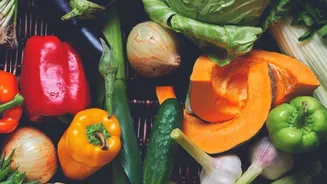
Certain ingredients are champions of versatility in an Indian kitchen. Building your shopping list around them is the first step to mastering ingredient overlap. Potatoes are a perfect example; they can be the star in a simple Aloo Jeera, a hearty addition to a mixed vegetable curry, or the base for delicious parathas. Similarly, a bag of chickpeas (chana) can be used for Chana Masala one night, a healthy salad filler the next, and even ground into hummus for a snack. Onions and tomatoes, despite recent price hikes, remain the foundational base for countless curries, dals, and bhurjis. Investing in larger packs of lentils like toor dal and moong dal is also wise, as they form the backbone of daily meals across the country. By focusing on these workhorse ingredients, you ensure you always have the makings of a meal on hand.
A Sample Week of Smart Cooking
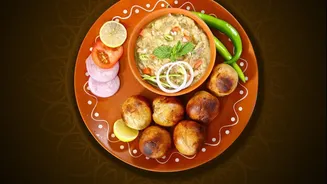
Let’s see how this works in practice. Imagine you buy potatoes, onions, tomatoes, a block of paneer, and a kilogram of chickpeas. On Monday, you could make Aloo Matar using the potatoes and a handful of pantry spices. On Wednesday, that same base of onion and tomato puree can be transformed into a rich Paneer Butter Masala. By Friday, you can use the chickpeas for a flavourful Pindi Chole. Three very different meals, all stemming from a shared, core group of fresh ingredients. This eliminates the need to buy unique vegetables or proteins for each dish. You can apply the same logic to spices by creating a base masala paste of ginger, garlic, and onions to use throughout the week, adapting it with one or two other spices for variety.
Tips for Smarter Shopping
To make ingredient overlap even more effective, a little planning goes a long way. Before you shop, create a meal plan for the week. Identify the core ingredients that appear in multiple recipes and build your list around them. Buying staples like lentils, rice, and whole spices in bulk can often be cheaper in the long run, provided you have the space to store them properly. Don’t shy away from frozen vegetables like peas or corn; they are just as nutritious and can prevent the waste that often comes with fresh produce you don't use in time. Finally, get creative with leftovers. A dry sabzi from last night can become a filling for a sandwich or paratha for lunch the next day, stretching your food and your budget even further.