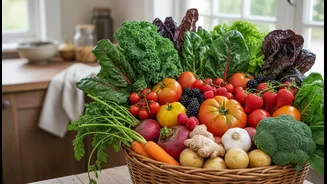









The Allure of “Clean”
The term “clean eating” has no official definition, but it generally refers to a diet focused on whole, unprocessed foods. Think fresh fruits, vegetables, lean proteins, and whole grains. On the surface, this sounds fantastic. The movement promises to nourish
your body with nutrient-dense foods, helping to improve everything from heart health to energy levels. Online, it's a visual feast of purity and control, promoted by influencers who present it as a simple path to wellness. This aesthetic appeal, combined with the promise of a healthier life, makes it an incredibly powerful and attractive trend for people looking to improve their habits. For many, it feels empowering to take charge of their health by choosing foods in their most natural state.
The Hidden Nutritional Gaps
The problem arises when “clean eating” morphs into a rigid set of rules that demonizes entire food groups. Many extreme versions ban dairy, grains, legumes, or any trace of sugar without a medical reason to do so. This restrictive approach can lead to significant nutritional deficiencies. For example, cutting out all carbohydrates can result in a lack of fibre, while avoiding dairy can lead to low calcium intake. Diets like the ketogenic diet, a popular form of restrictive eating, can be low in multiple vitamins and minerals, including various B vitamins, calcium, potassium, and magnesium. Even if you think you're eating healthy staples like chicken and rice, repetitive meals can lead to a lack of micronutrient diversity. Your body needs a wide array of nutrients to function, and eliminating entire categories of food makes it much harder to get them.
Red Flags of an Unbalanced Diet
How can you tell if a diet, no matter how “clean” it looks, is actually harming you? One of the biggest red flags is the compulsive need to check ingredient lists and cutting out an increasing number of food groups. If you feel intense distress when your “safe” or “healthy” foods aren't available, that’s a warning sign. Another is physical. Constant fatigue, feeling cold, mood swings, and even hair loss can indicate you're not getting enough calories or essential nutrients. Poor digestive health, like constipation, can also be a signal, often due to a lack of fibre from varied sources. An obsession with food quality over all else, spending excessive time planning meals, and avoiding social situations involving food are also hallmarks of a diet that has become problematic. This fixation on “pure” eating is sometimes described as orthorexia, an unhealthy obsession with healthy food that can paradoxically damage your well-being.
What a Balanced Plate Really Looks Like
A truly balanced diet isn't about restriction; it's about variety and adequacy. Nutrition experts often use a simple plate model to illustrate this. Aim to fill half your plate with a colourful variety of fruits and vegetables. One quarter should be dedicated to lean protein sources, such as dals, beans, fish, eggs, or paneer. The final quarter should consist of whole grains or high-fibre starchy foods, like brown rice, whole wheat roti, or potatoes. Including healthy fats from sources like nuts, seeds, and oils, as well as dairy or dairy alternatives like curd, rounds out the meal. This approach ensures you get a good mix of macronutrients—protein, carbs, and fats—along with the essential vitamins and minerals your body needs to thrive. It’s about nourishment, not perfection.
Trust Professionals, Not Just Influencers
While social media can be a source of inspiration for new recipes, it's also filled with unqualified advice. Many influencers promote extreme diets without the nutritional expertise to back up their claims. Their motives might be more about gaining followers and lucrative ad contracts than providing sound, evidence-based guidance. If a diet trend sounds too good to be true or requires you to eliminate foods you enjoy, it’s best to be skeptical. Instead of overhauling your life based on a TikTok video, consider consulting a registered dietitian or a qualified medical professional. They can help you understand your unique nutritional needs and develop a sustainable, balanced eating plan that works for you, free from the pressures of online trends.