




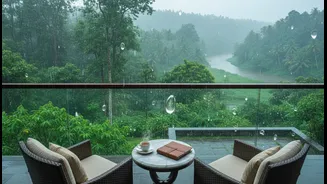



An Antidote to Urban Burnout
The modern Indian workplace is demanding, with recent surveys showing high rates of employee burnout among young professionals. This relentless pace is reshaping what people seek from a holiday. Travel is no longer just a luxury but a coping mechanism—a
way to manage stress and reclaim personal time. The shift is away from packed itineraries and towards slower, more intentional getaways that offer a genuine mental reset. Destinations like Rishikesh, Dharamshala, and Uttarkashi are seeing a surge in interest, as they provide a peaceful escape from urban chaos. For many, the goal isn't to see as much as possible, but to slow down, disconnect from the 'always-on' digital culture, and simply be present.
The New Definition of 'Spiritual'
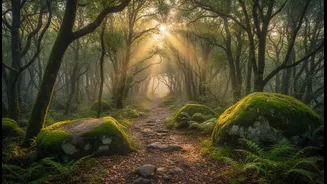
For this new generation of travellers, 'spiritual' does not strictly mean religious. While destinations like Varanasi, Tirupati, and Ayodhya are seeing record footfalls, including a significant number of young visitors, the motivation is often broader. Many are seeking personal reflection, mindfulness, and a deeper connection with themselves and nature. This form of travel allows for a more individualised and experiential approach to finding meaning outside the confines of traditional religion. It can involve yoga retreats, meditation, sound healing, or simply spending quiet time in nature. The journey itself—whether a trek to Kedarnath or a stay in a remote monastery in Spiti—becomes a space for introspection.
A Search for Authentic Experiences
Young travellers are increasingly rejecting cookie-cutter tourism in favour of authenticity. A recent report noted that 90% of Gen Z travellers actively seek out places that aren't widely recommended online, preferring nature and slow travel. They crave genuine cultural immersion, which commercial resorts often cannot provide. This has led to the rise of 'slow travel,' a philosophy that encourages longer stays in one place to absorb local culture, traditions, and rhythms. Instead of luxury hotels, many opt for homestays or boutique properties in less-crowded destinations like Tirthan Valley or Chopta, where they can interact with local communities. It's about prioritising the quality of the experience over a checklist of attractions.
Value in Experience, Not Just Amenities
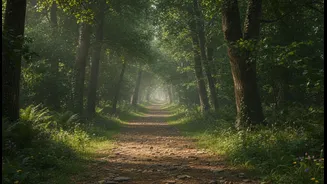
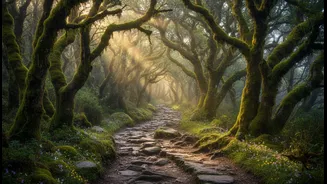
While young Indians are willing to spend on travel, they are increasingly value-conscious, prioritising meaningful experiences over pure luxury. Spiritual and slow-travel trails often offer a more budget-friendly alternative to high-end commercial resorts. The focus shifts from expensive amenities to the inherent value of the experience itself—be it the peace of a forest trail, a conversation with a local artisan, or a home-cooked meal at a village stay. This approach allows for more frequent travel, with many young Indians now taking multiple short trips or 'micro-holidays' throughout the year to manage stress and prevent burnout. Travel becomes an essential, regular part of a balanced lifestyle rather than a single, expensive annual event.