



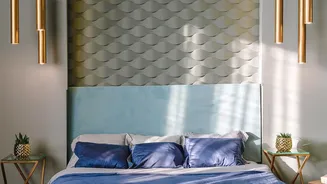


A small bedroom can feel more like a cluttered closet than a peaceful sanctuary. But a strategic approach to furniture placement can transform even the most compact room into an airy and functional retreat without sacrificing style or comfort.
Start With a Plan
Before you
move a single piece of furniture, grab a tape measure and paper. Sketching a simple floor plan of your room is the most powerful first step. Measure the room's length and width, and mark the locations of doors, windows, and electrical outlets. Note which way the door swings open, as this creates a clearance zone you must keep free. This map will help you visualise the actual space you have, preventing the common mistake of buying furniture that doesn't quite fit. Think about your daily routine and the natural pathways you take, such as from the door to the closet. The goal is to keep these main traffic lanes clear.
Anchor the Room with the Bed
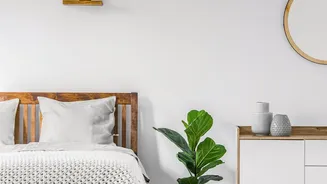
The bed is the largest piece of furniture, so its position dictates the rest of the layout. The most common and effective placement is against the longest uninterrupted wall. This creates a natural focal point and often leaves the most usable space around it. If your room is very narrow, pushing one side of the bed against a wall can free up a significant amount of floor space for a walkway or other furniture. While placing a bed under a window can be visually appealing, try to avoid it if possible, as it can block natural light and make the room feel smaller.
Think Vertically, Not Just Horizontally
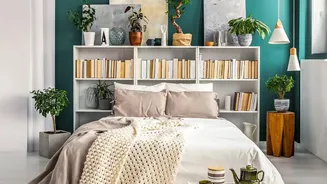
When floor space is limited, the only way to go is up. Using your walls for storage is a key strategy in any small room. Tall, narrow bookshelves or wardrobes draw the eye upward, creating an illusion of height and offering ample storage without eating up precious square footage. Floating shelves are another excellent option; placing them above the bed or a dresser can provide a home for books, decor, or baskets. This keeps surfaces clear and reduces visual clutter. Consider replacing a bulky, wide dresser with a taller, slimmer model to achieve the same storage capacity with a smaller footprint.
Choose Smart, Multifunctional Furniture
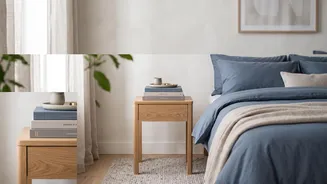
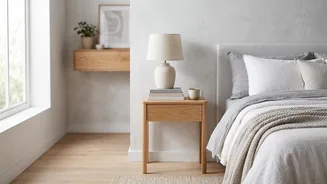
In a compact room, every piece of furniture should earn its place, and the best way to do that is to make it serve multiple purposes. This is especially true in modern Indian homes where urban apartments often have limited square footage. A bed with builtin drawers or hydraulic liftup storage is a nonnegotiable for storing seasonal clothing, luggage, or extra bedding. An ottoman with a removable lid can serve as seating, a footrest, and hidden storage for small items. Instead of a traditional nightstand, consider a small wallmounted shelf, a stool, or even a compact desk that can double as a bedside table.
Create Flow and an Illusion of Space
How you arrange smaller items can dramatically impact the room's feel. Try to 'float' furniture by pulling it a few inches away from the walls instead of pushing everything back. This creates a bit of breathing room and prevents a static 'waiting room' look. Opt for furniture with visible legs, like an elevated bed frame or nightstand, as seeing more of the floor creates a sense of openness. Finally, strategically place a large mirror, ideally opposite a window. A mirror will bounce light around the room, adding depth and making the space feel significantly larger and brighter.
Select the Right Wardrobe
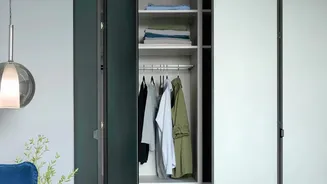
Storage is a major challenge in small bedrooms. A floortoceiling wardrobe maximizes vertical space, providing a home for everything from clothes to extra linens. When it comes to doors, sliding wardrobes are a superior choice for compact rooms because they don't require extra clearance to swing open. Many modern sliding wardrobes come with mirrored doors, which serve the dual purpose of hiding clutter and visually enlarging the space. If a full wardrobe isn't feasible, a dresser combined with a rail on top can create a minicloset without occupying too much floor space.